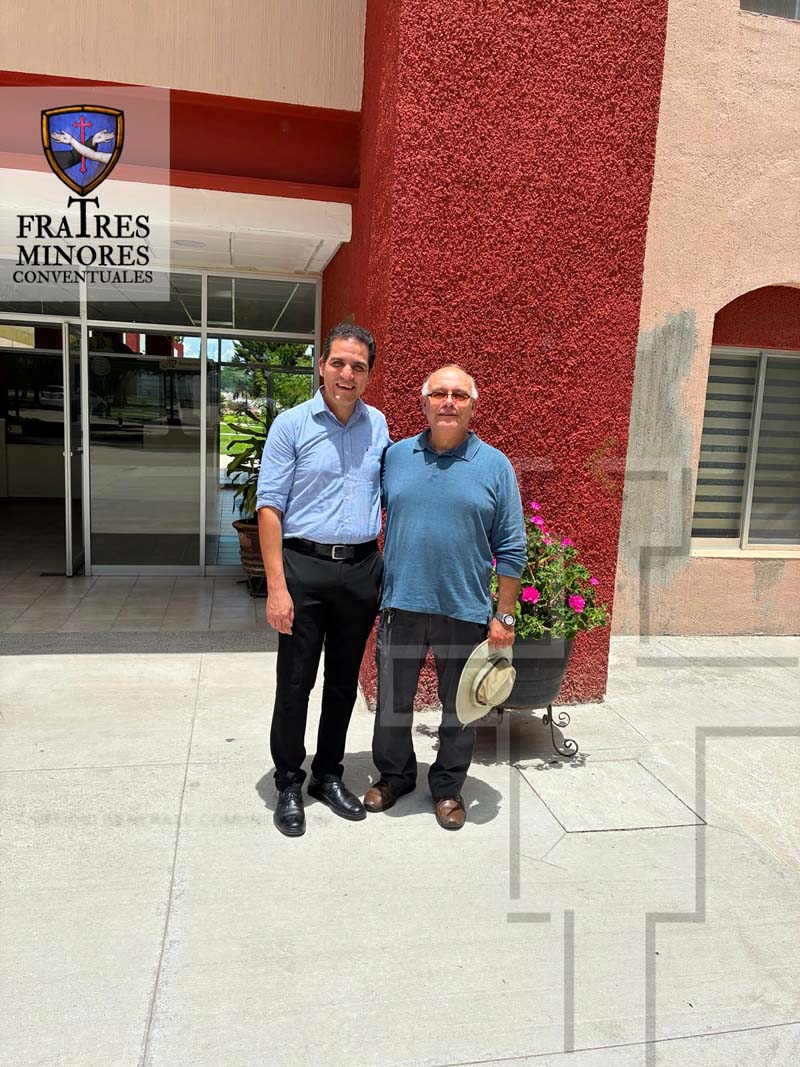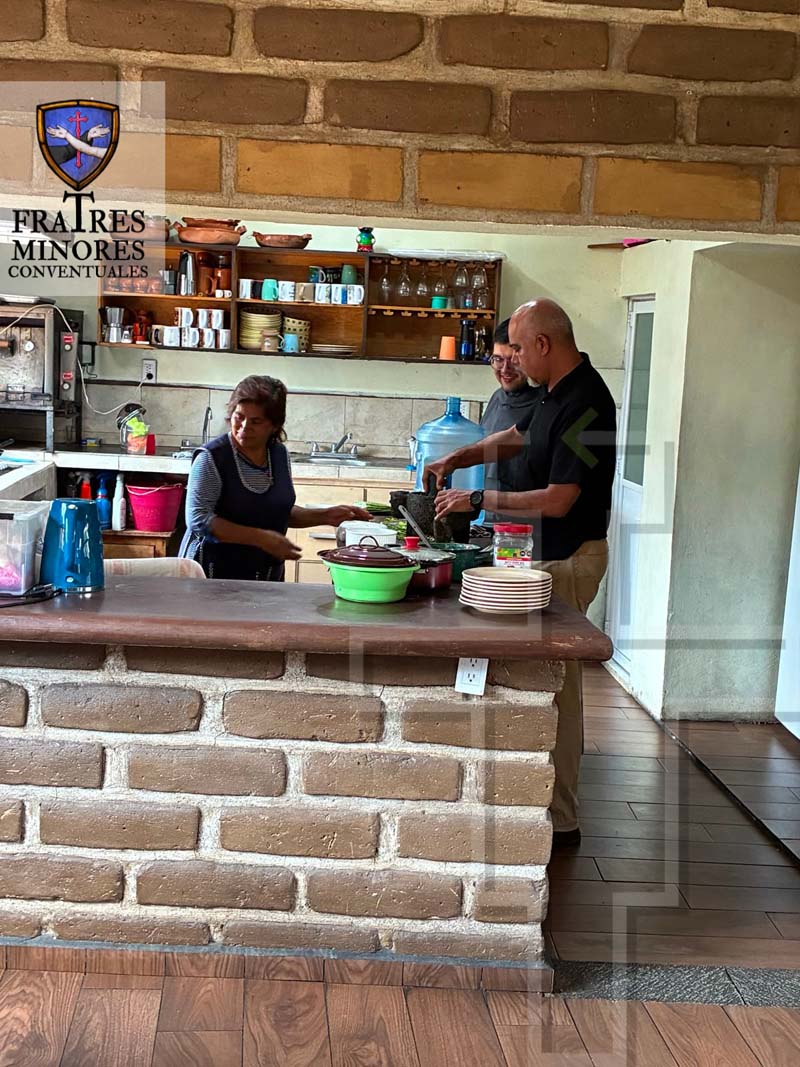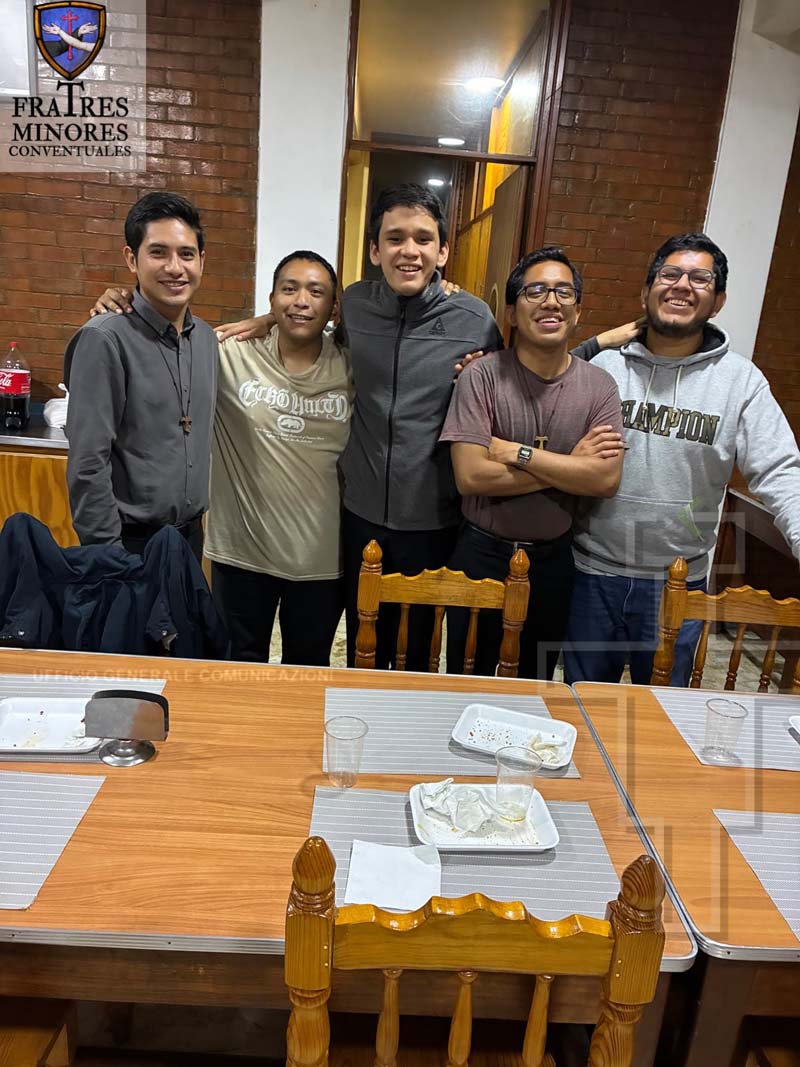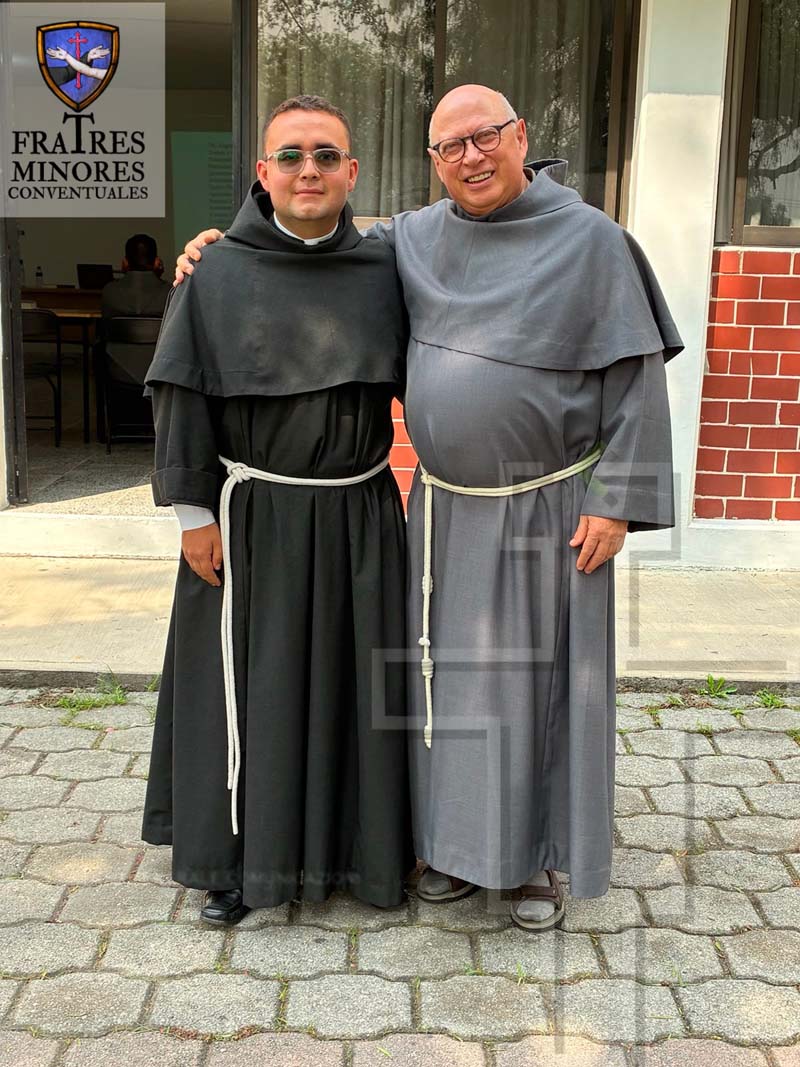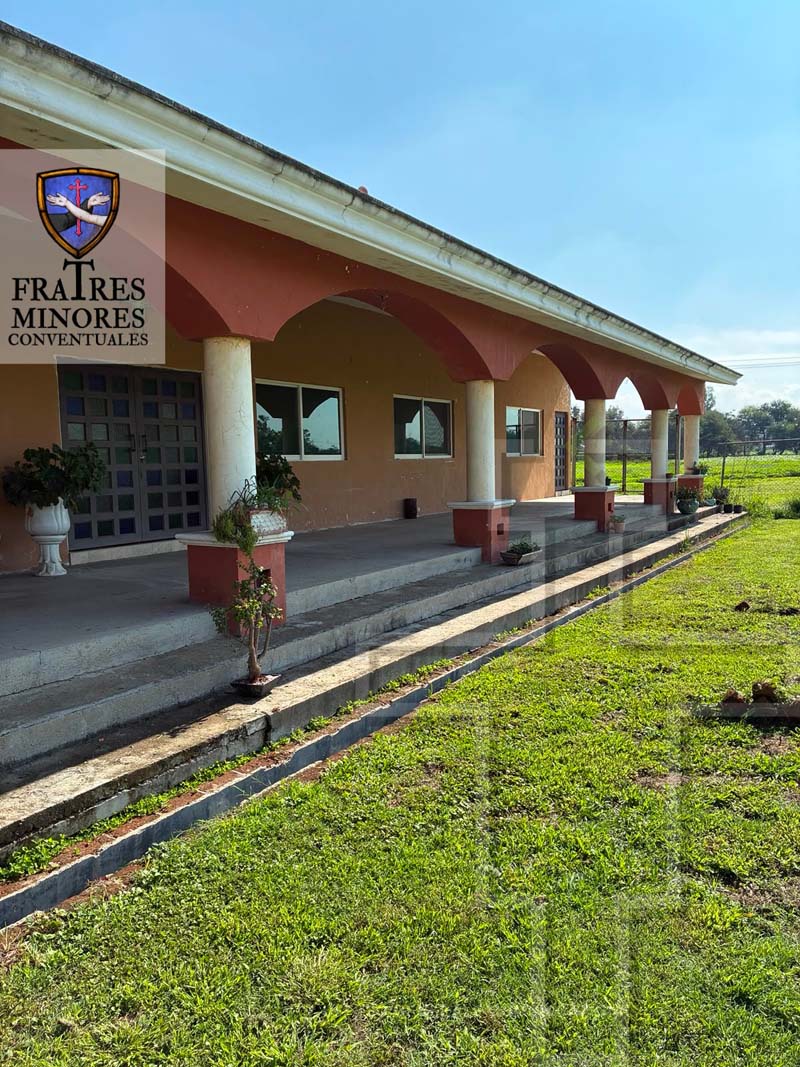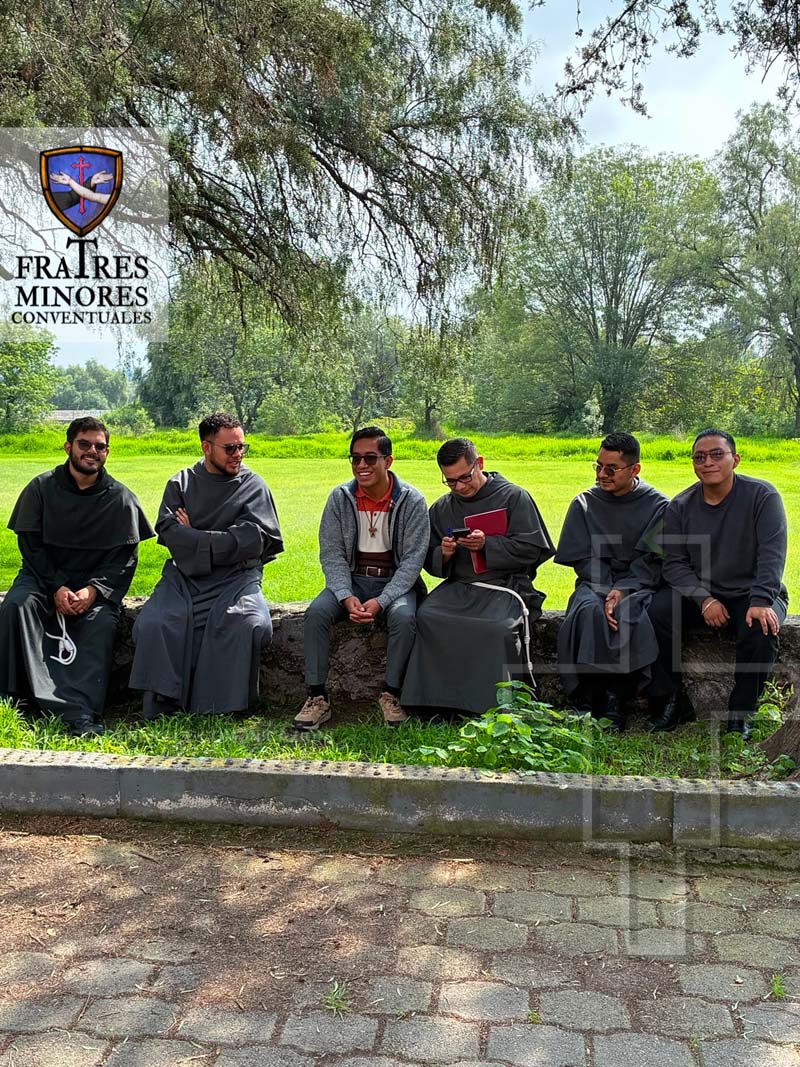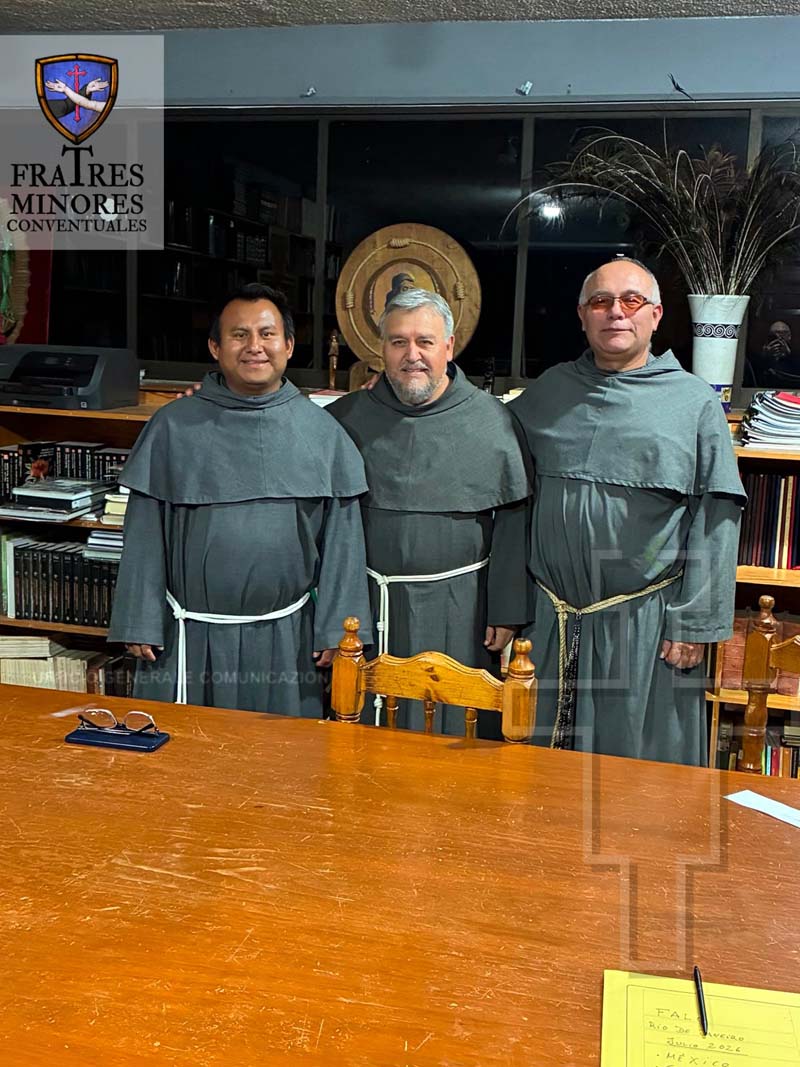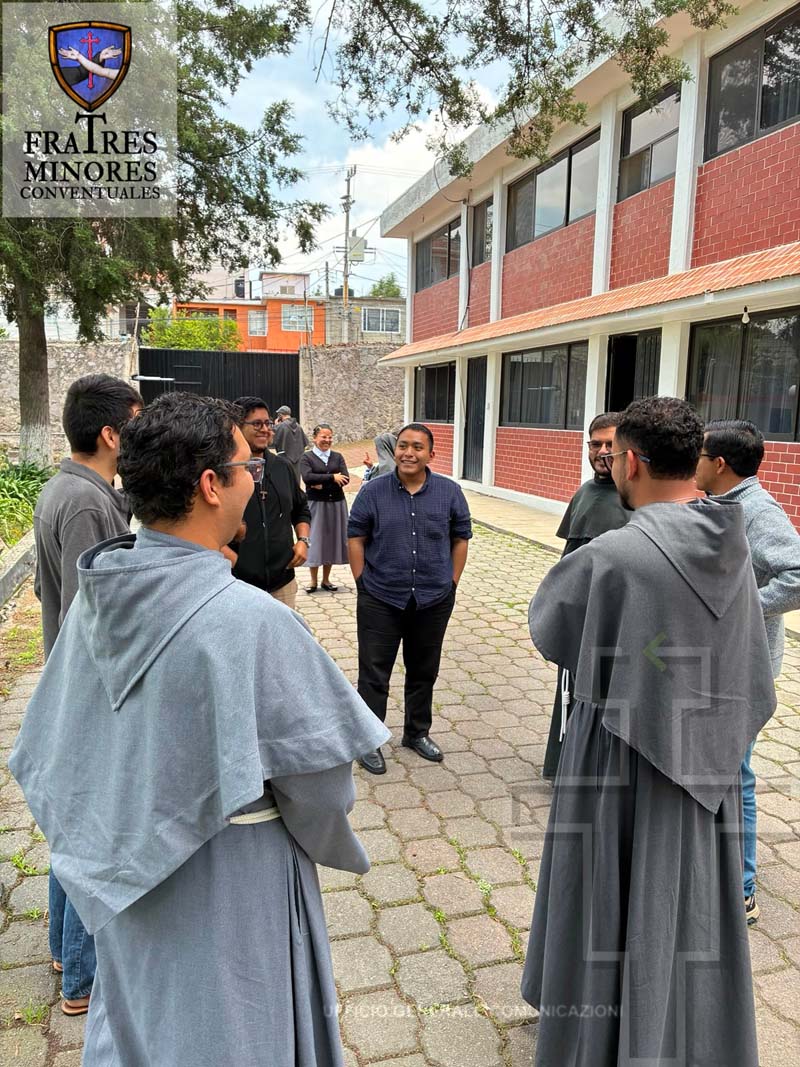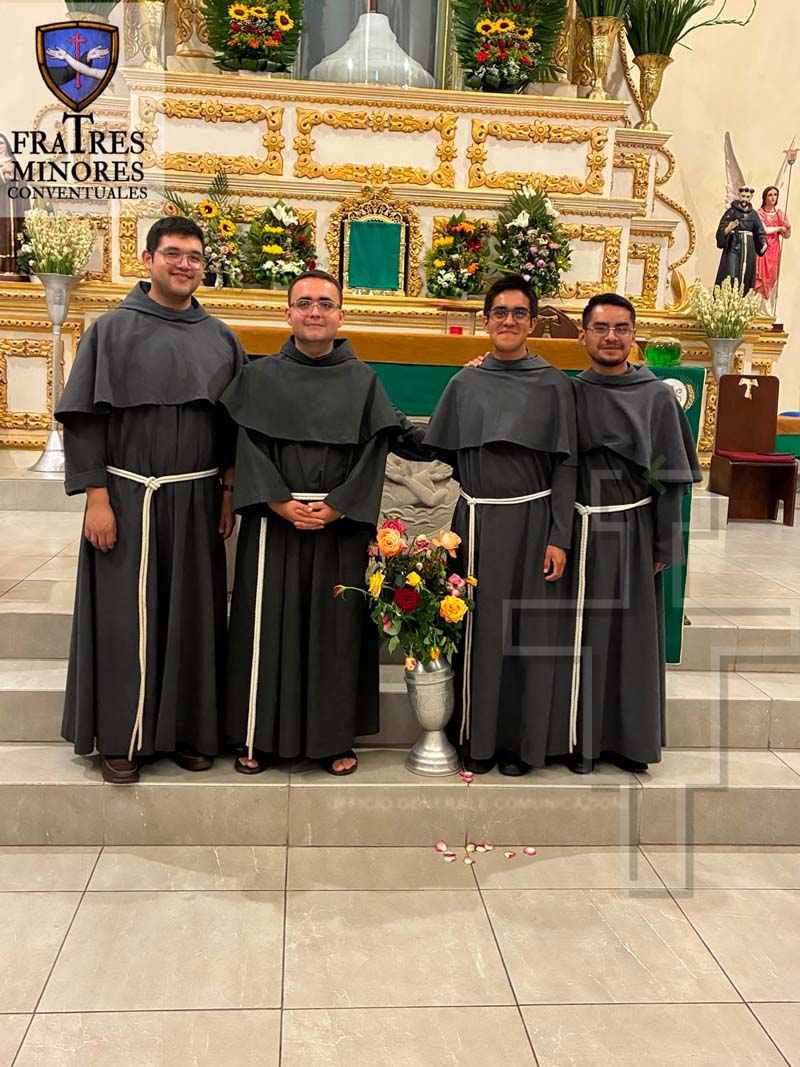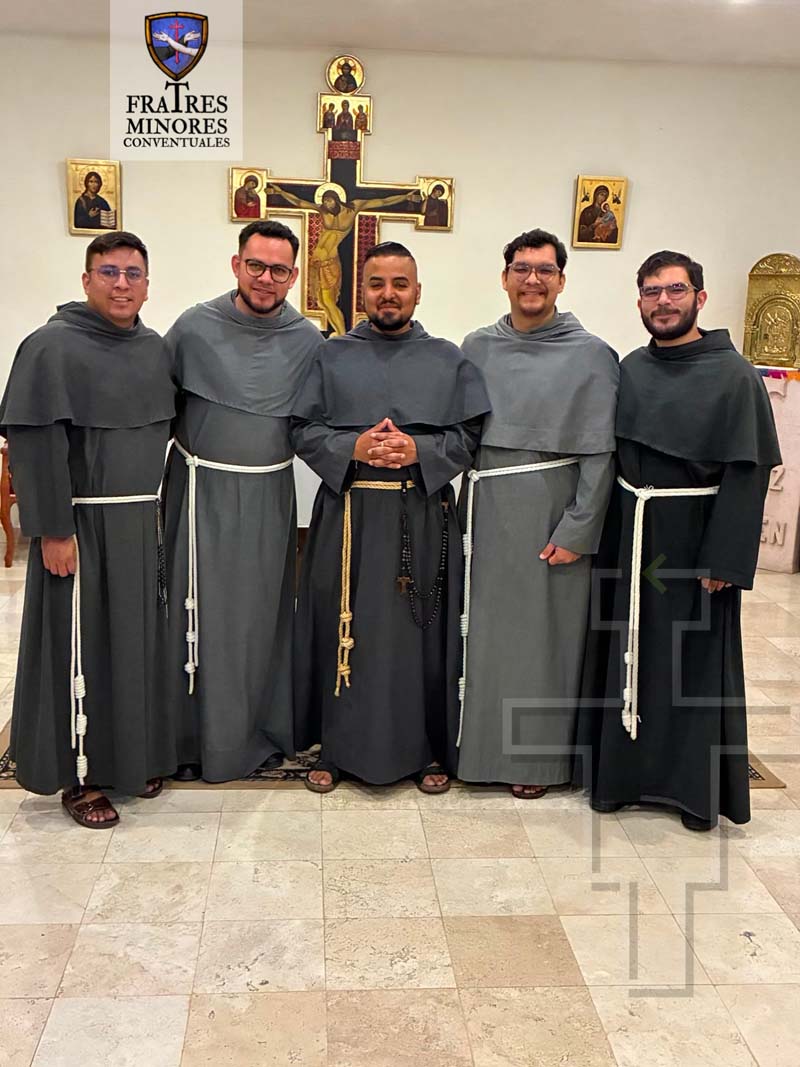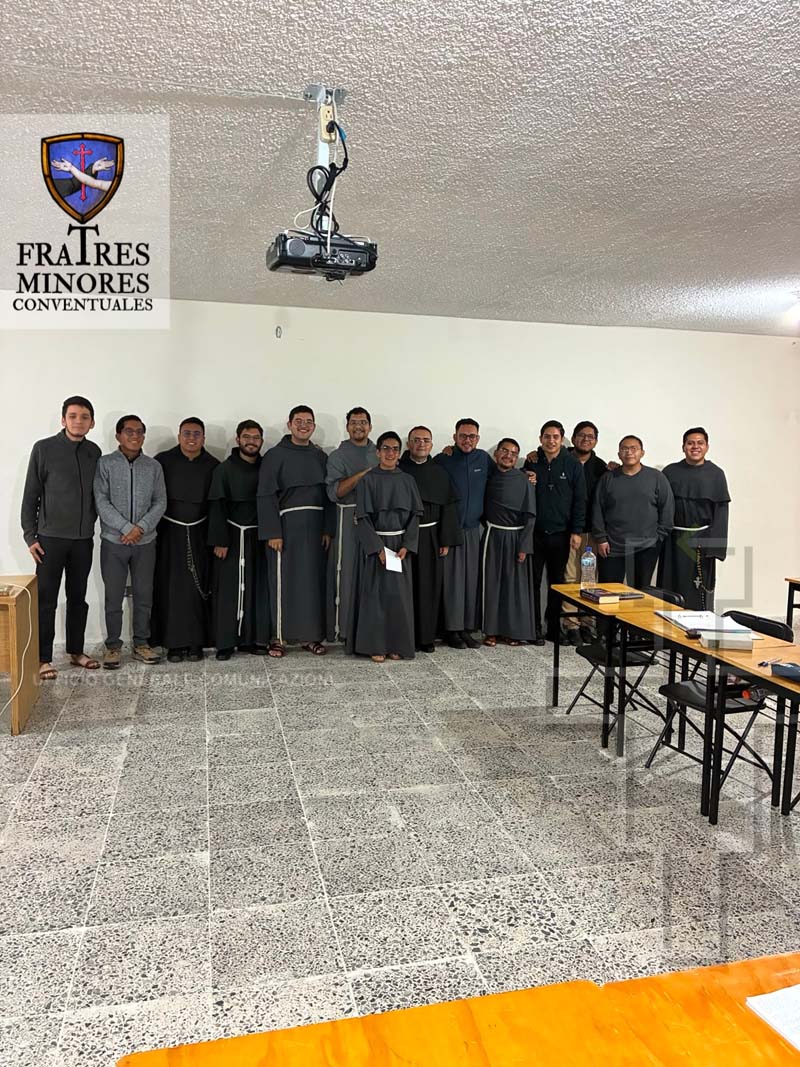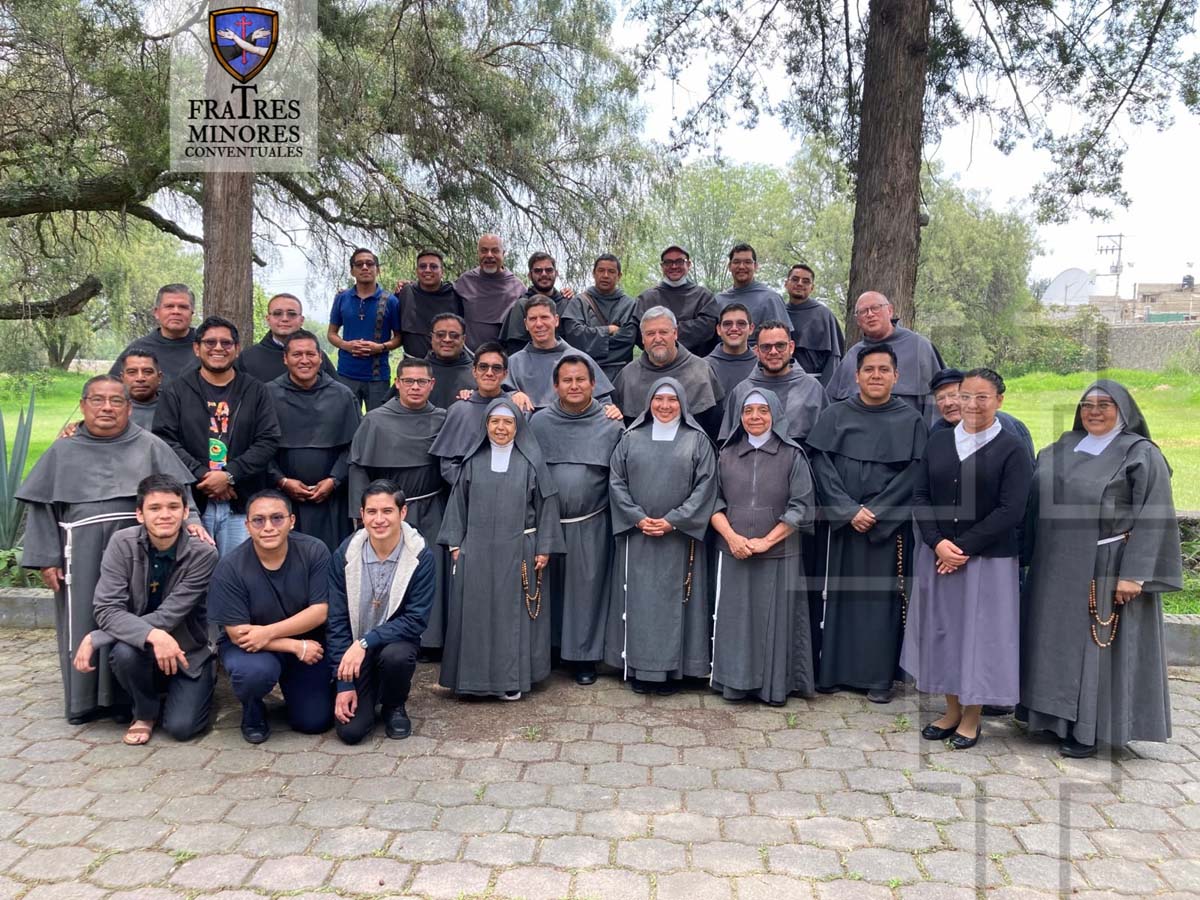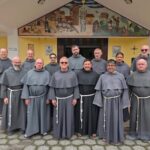




From July 7-14, 2026, I made a fraternal visit to the Province of Our Lady of Guadalupe in Mexico.
Our presence in Mexico dates back to the mid-1970s, when several friars from the Province of Sicily opened their first friary in the Valle de Aragón neighborhood of Nezahualcóyotl, part of the Mexico City metropolitan area. In southern Mexico, the Province of Our Lady of Consolation in the USA (OLC) established its first mission in Xochistlahuaca, in the State of Guerrero. The friar communities of this mission became part of the Custody of Mexico in 1998 and later, joined the Province of Mexico, which was erected on October 26, 2013.
Today, the Catholic Church in Mexico is undergoing a profound process of transition, secularization, and reconfiguration, particularly in the post-pandemic period. According to the official census, 77% of the population identifies as Catholic, while 11% belongs to Protestant and Evangelical Churches. Mexico City, however, is a unique pastoral setting.
The Province currently has forty-six solemnly professed friars living in ten friaries across Mexico and one friary in Austin, Texas, USA, which opened in 2007. Some friars are serving the Order in special capacities, including Friar Alejandro PALACIOS VÁZQUEZ, General Delegate for Communications; Friar Jesús Manuel RODRÍGUEZ MORALES, Professor of Philosophy at the Pontifical Theological Faculty of St. Bonaventure (Seraphicum) in Rome; and Friar Carlos Alberto CATZIN JUÁREZ, who is assigned to the General Custody of the Sacred Convent of Assisi. In addition, there are other friars who currently belong to the Italian Province of the Immaculate Conception (Calabria-Sicily).
The Province gives special attention to initial formation, from vocation ministry through the various stages of the formation journey. The postulancy program is located in Valle de Aragón, where the Provincial Curia and a local parish church are also situated. Currently, the Province has five postulants. The novitiate is located in Totolapan (State of Morelos), where four young men are currently completing their novitiate year. One of them belongs to the Custody of St. Francis of Assisi in Colombia. There are currently six friars in the post-novitiate program. Three are studying philosophy and three are studying theology. They have recently been joined by Friar Juan Carlos REYES SANTILLÁN, who arrived at the Seraphicum to begin theology studies.
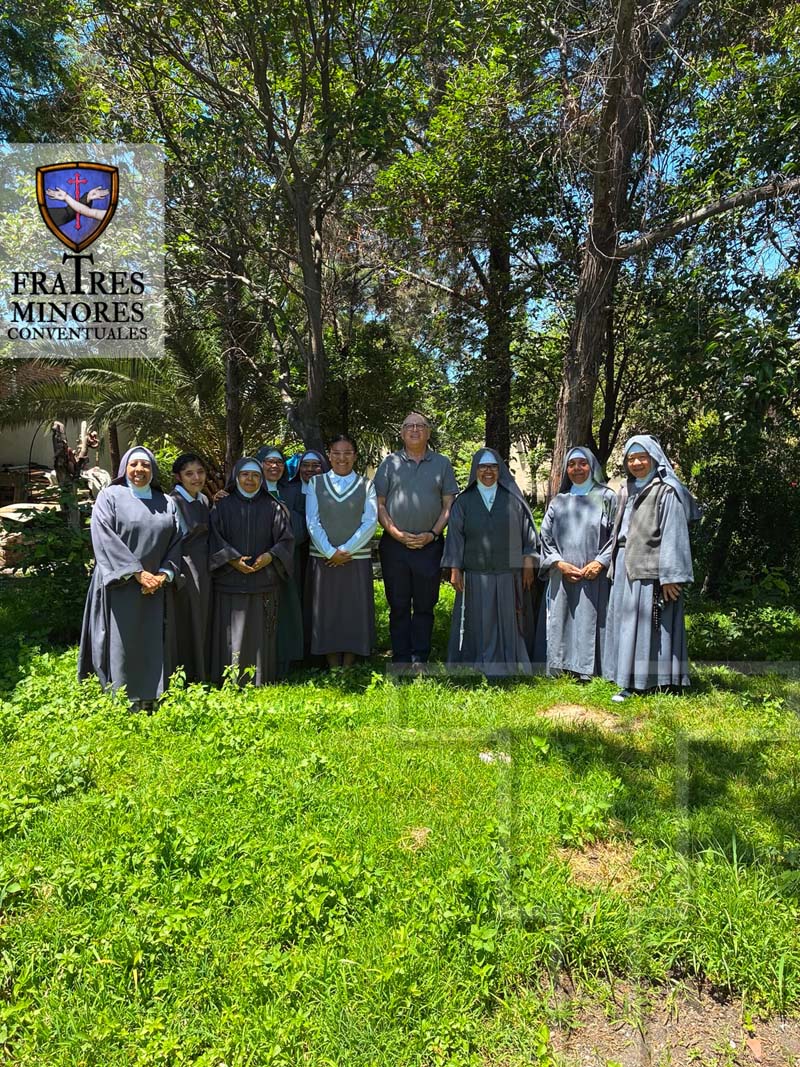
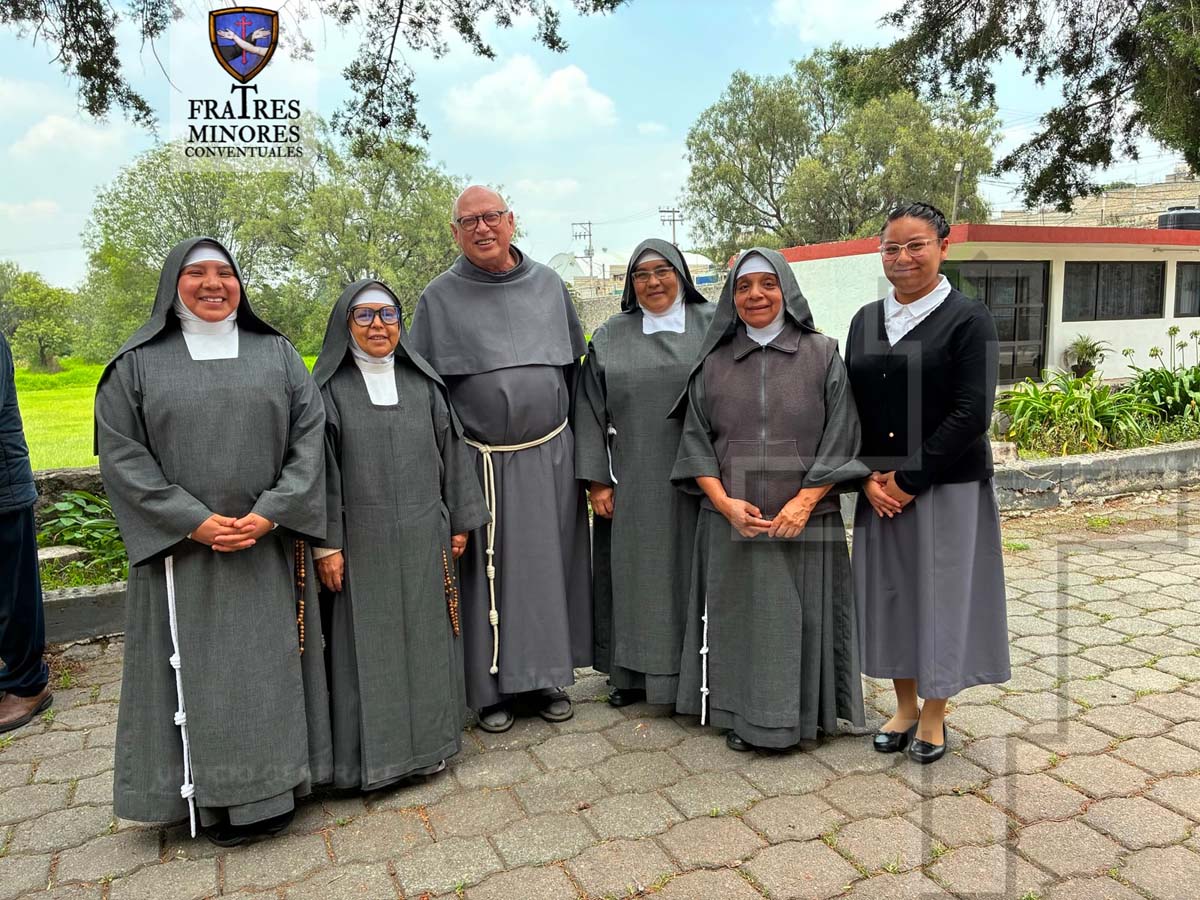
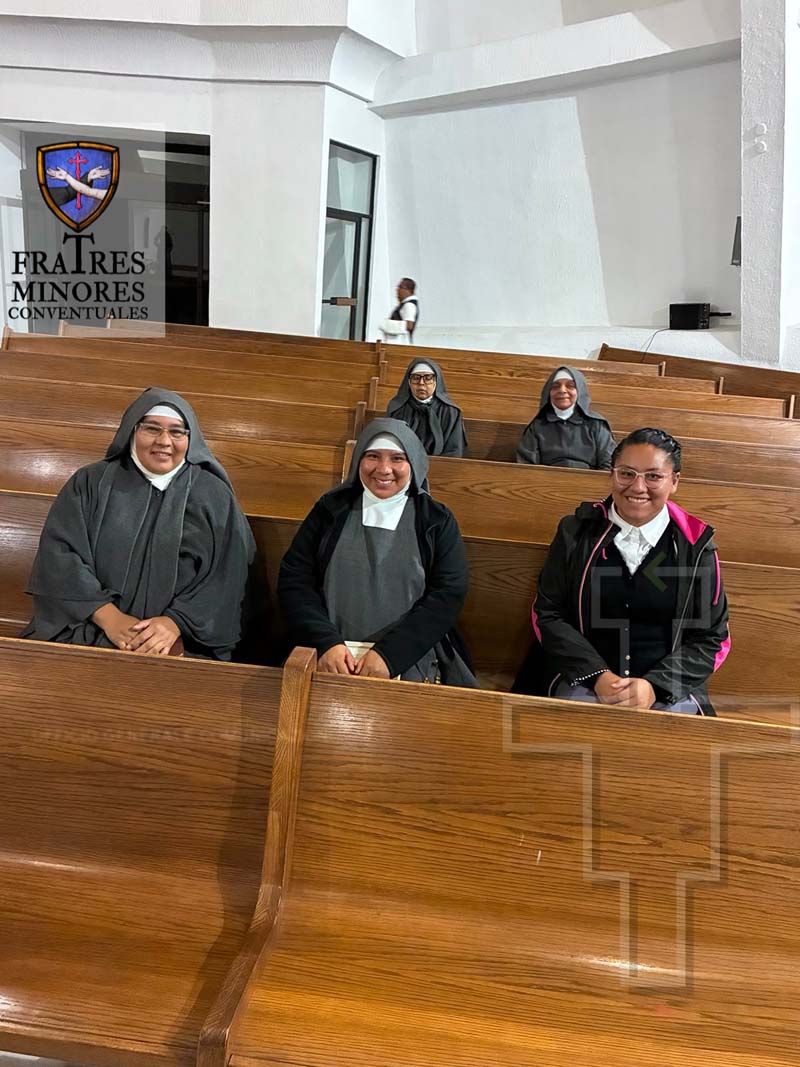
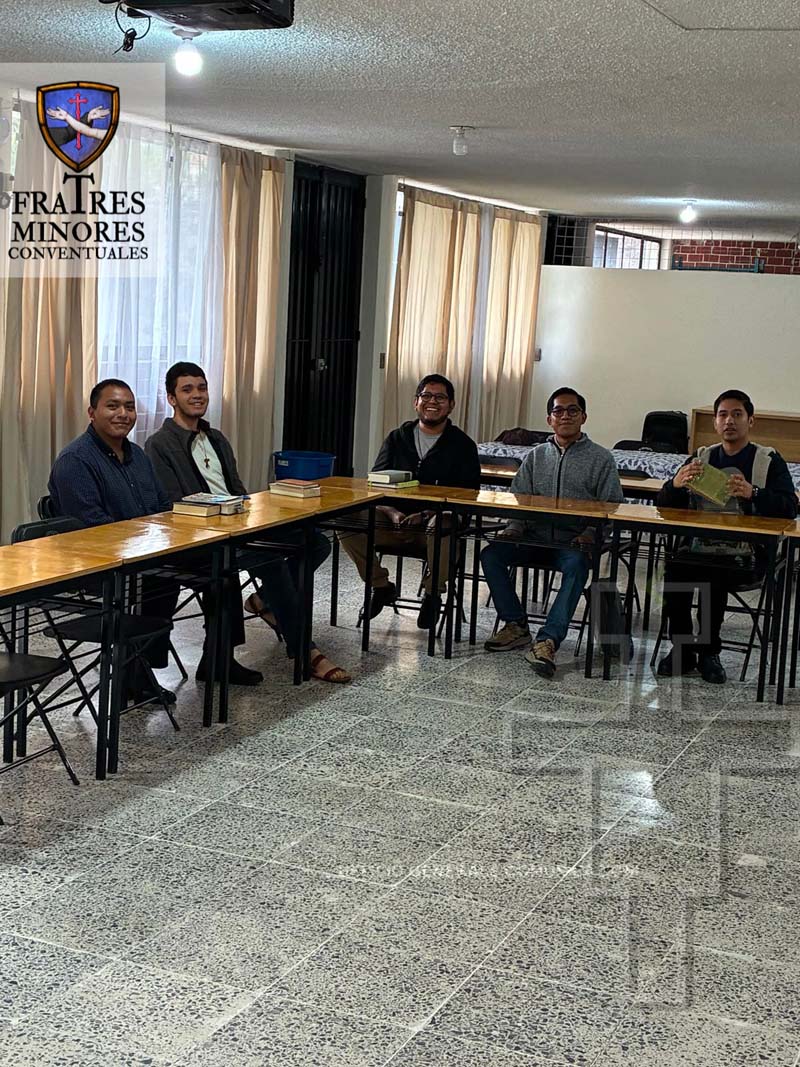
During my visit, I had the opportunity to participate for a few days in a continuing formation course open to all friars—both solemnly professed and those in initial formation. Some Urbanist Poor Clares also attended. Friar Marcos Alejandro QUESADA NAVARRO, professor and Franciscan scholar at the Seraphicum, led the course with insight and expertise. The course focused on the Writings of St. Francis. As the professor emphasized at the end of the course, knowing our charism means reviving our identity. I encourage the Province to keep offering these continuing formation sessions as it grows and matures, more than ten years after its establishment. Spiritual retreats and continuing formation courses for the friars in Cuautitlán Izcalli (State of Mexico) take place regularly as well.
Like the rest of Latin America, Mexico is experiencing a decline in vocations. If handled wisely, this situation can become a genuine opportunity for purification. Deeper and more personalized vocational discernment can help revitalize the Province’s efforts to foster vocations. Vocation ministry is moving away from an approach shaped primarily by social and cultural factors toward one that is more personalized and rooted in discernment. Within the Federación América Latina Conventuales (FALC), the Province finds opportunities for reflection and practical assistance through inter-Provincial initiatives such as the common novitiate. In the coming days, the Presidents of the FALC Formation Commissions will meet in Rio de Janeiro, Brazil, to address the most urgent challenges facing formation today.
I would like to thank the Minister Provincial of the Province of Mexico, Friar José Luis SOLÍS ALCÁNTAR, and all the friars of the Province, for the wonderful hospitality they have shown me during these past few days.
Friar Bernardino HOSPITAL POSADA
Secretary General for Formation