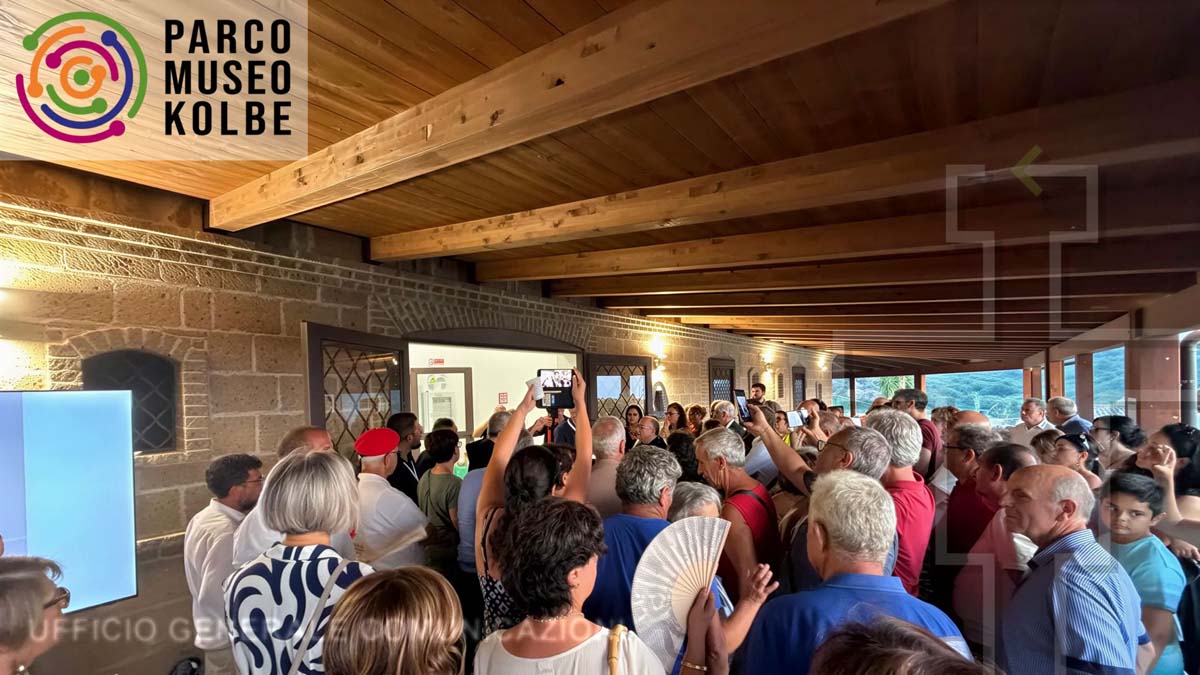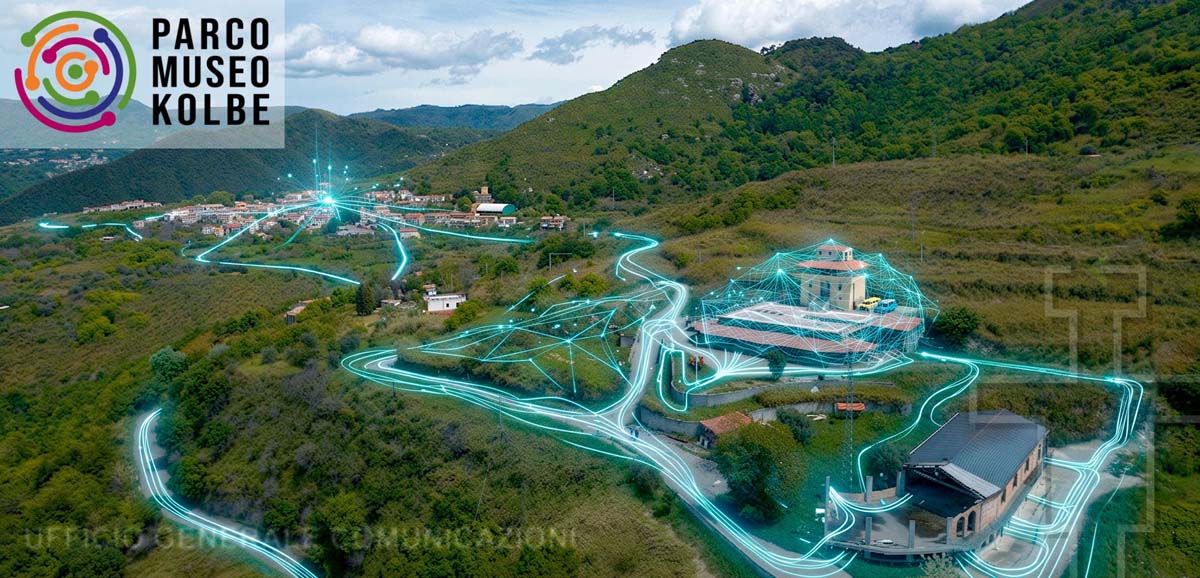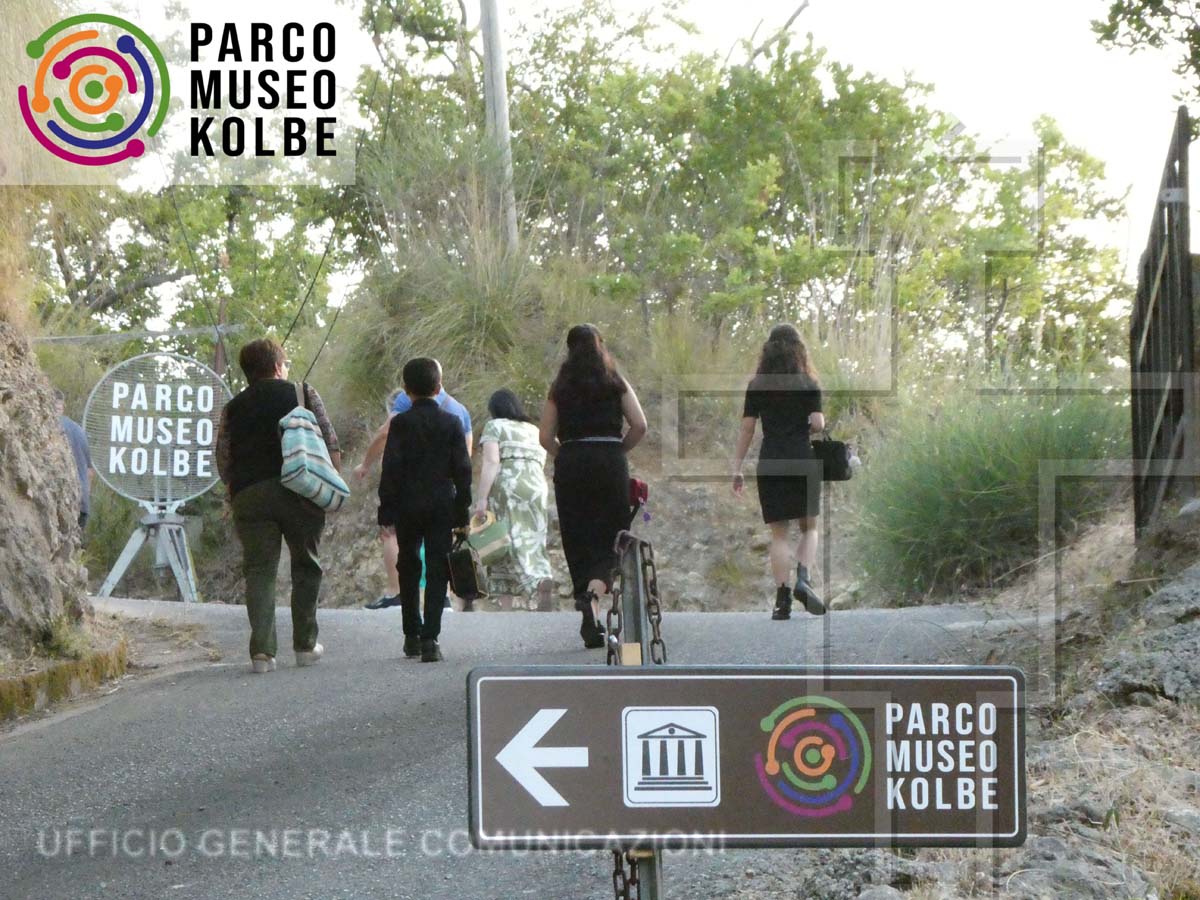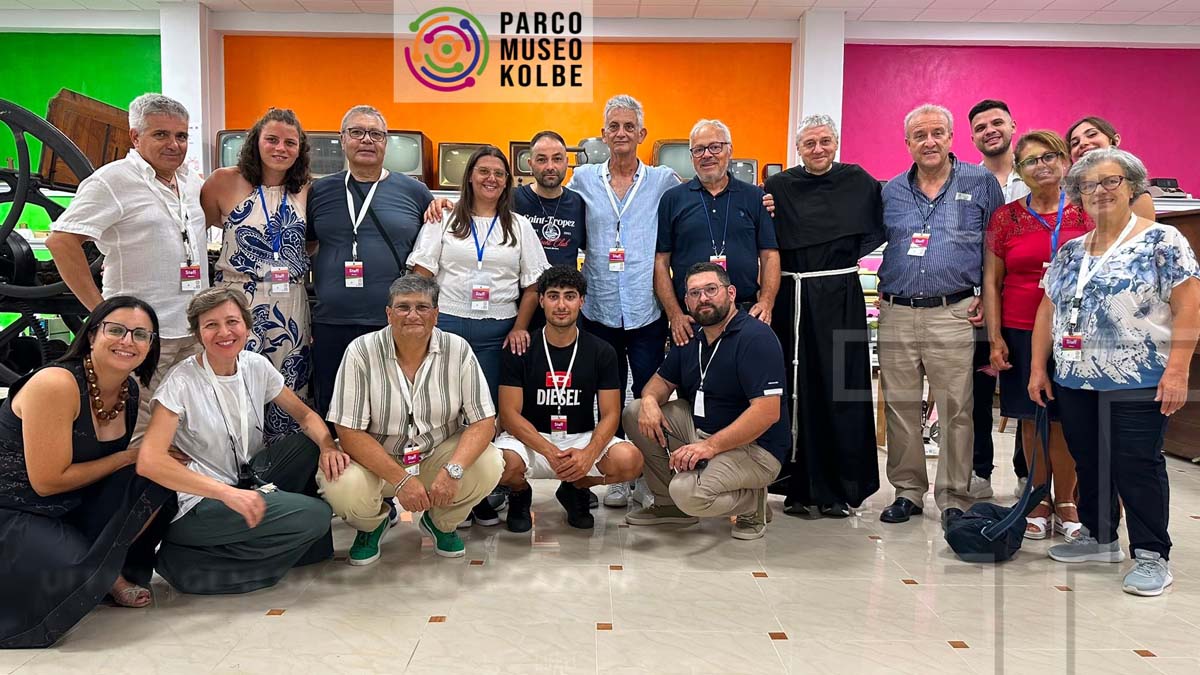



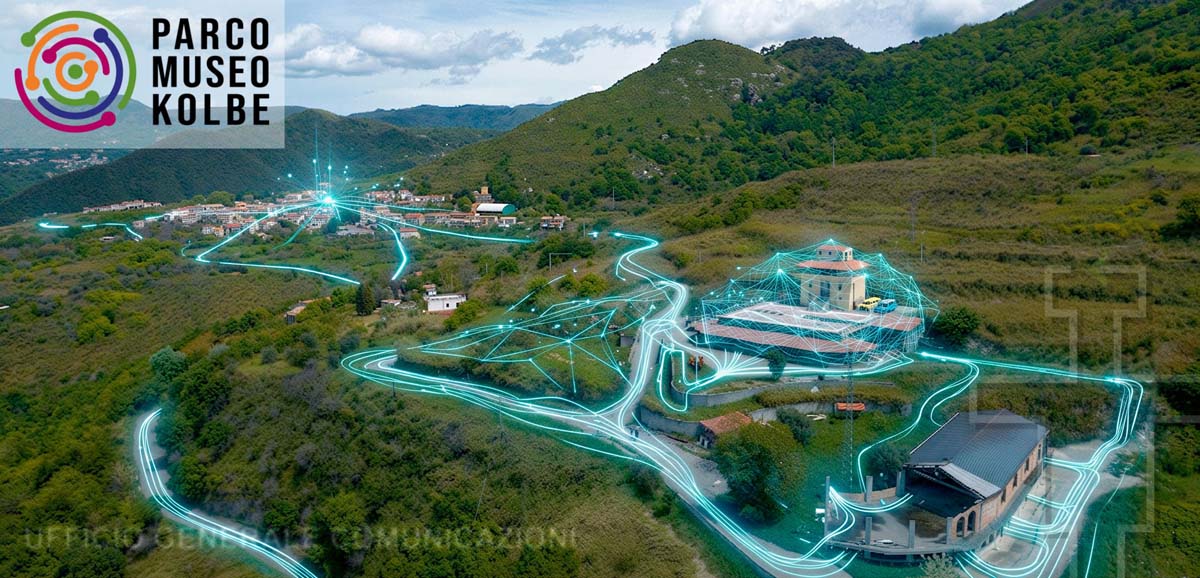
On July 18, 2026, I had the opportunity to attend, on behalf of the Order, the inauguration of the Kolbe Museum Park in the municipality of San Pietro in Amantea, in the Province of Cosenza, Calabria, Italy.
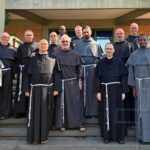
The Park was the realization of a vision that Friar Pio MAROTTI (1951–2025) passionately pursued. I had met and worked with him in recent years—while I was serving as the Assistant General for the Federazione Intermediterranea Ministri Provinciali (FIMP). I involved others in supporting the Park, namely Friar Tomáš LEŠŇÁK, the Assistant General for the Foederatio Europae Mediae et Orientalis (FEMO), who is responsible for the Order’s cultural activities, and Friar Valerio FOLLI, who is the Coordinator of the Order’s Projects Office. None of these friars, nor the current Assistant General for the FIMP Federation, Friar Colin SAMMUT, were able to attend the inauguration. Representing the Italian Province of the Immaculate Conception (Sicily-Calabria) alongside me were Friar Francesco CELESTINO, the Guardian of the General Curia, and Friars Ilario SCALI and Paolo SERGI from the friary in Palmi (Reggio Calabria, Italy). Friar Valerio FOLLI nevertheless sent a video message conveying his greetings and best wishes.
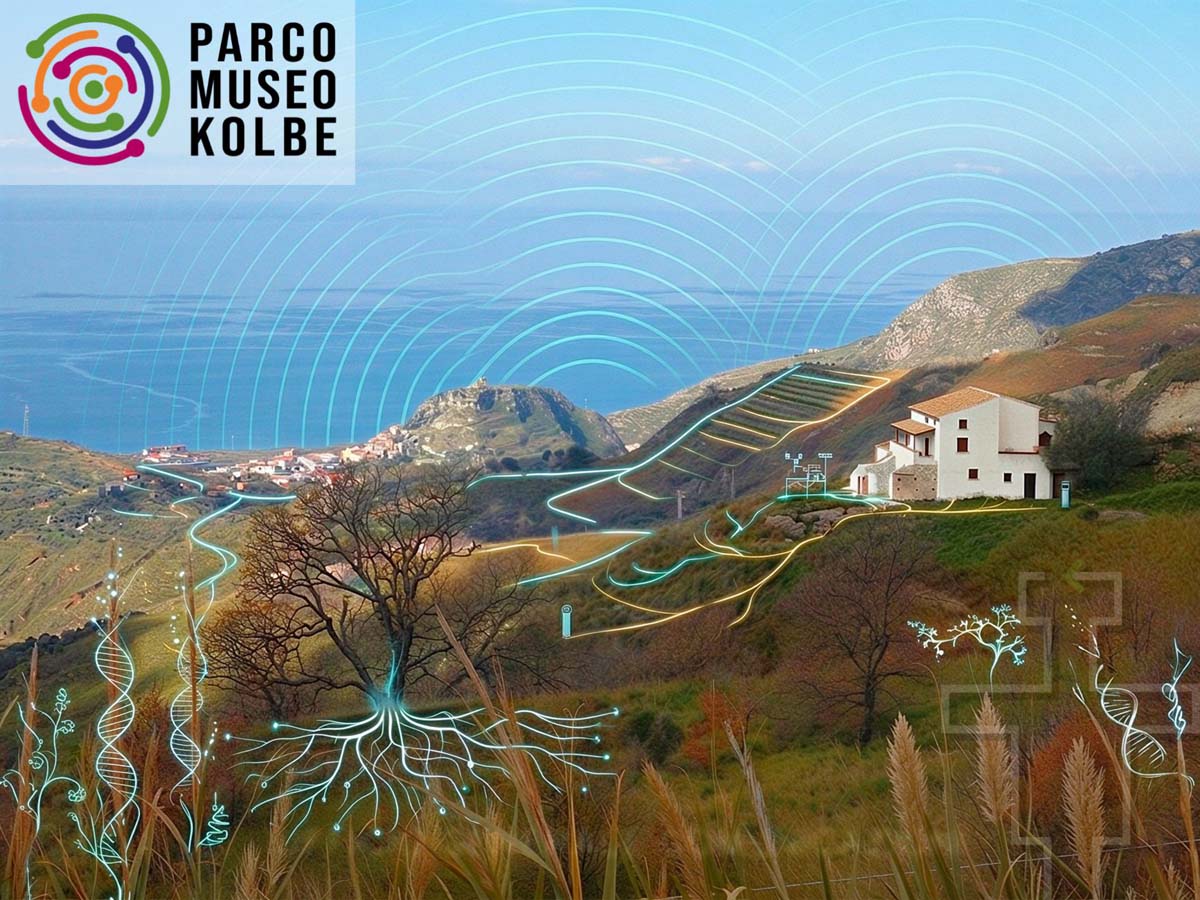
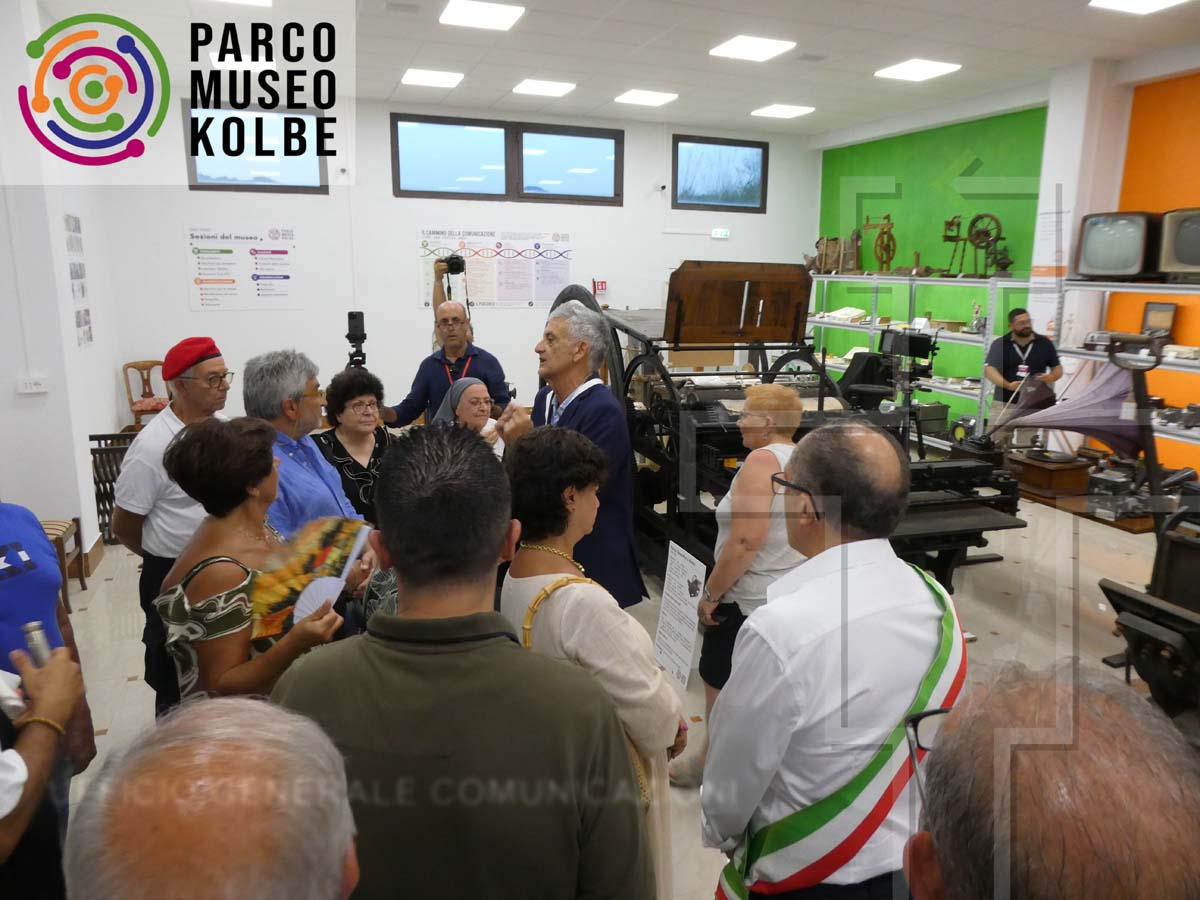
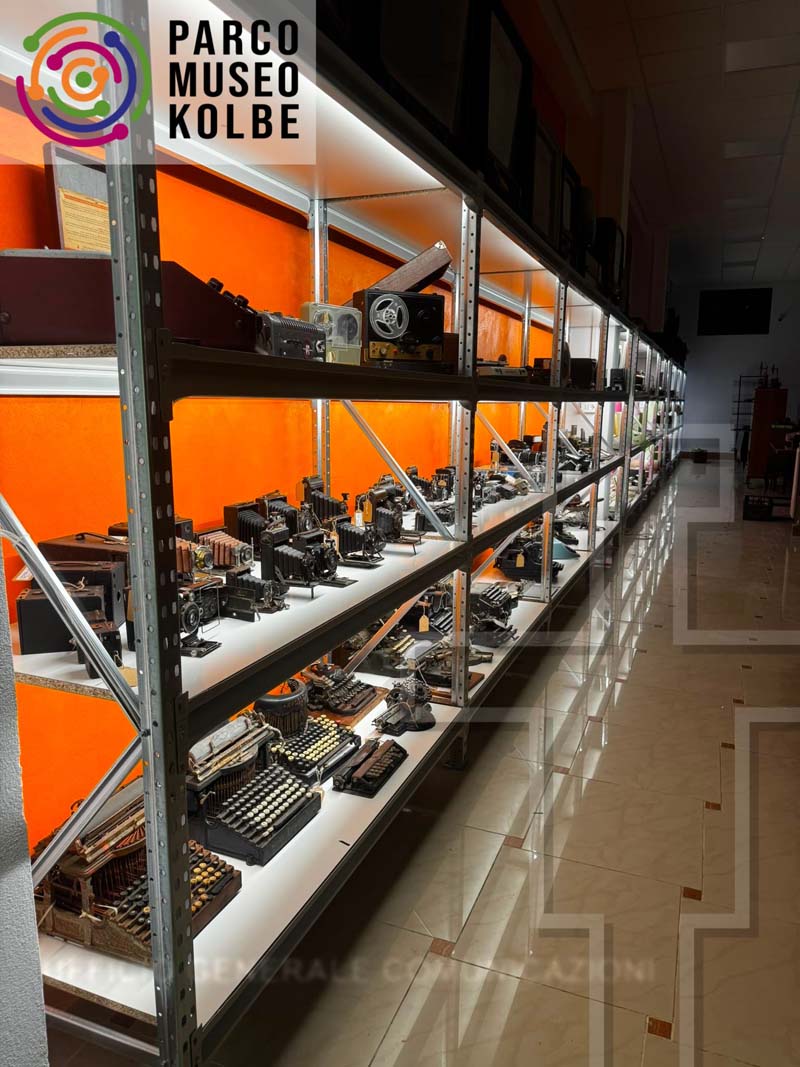
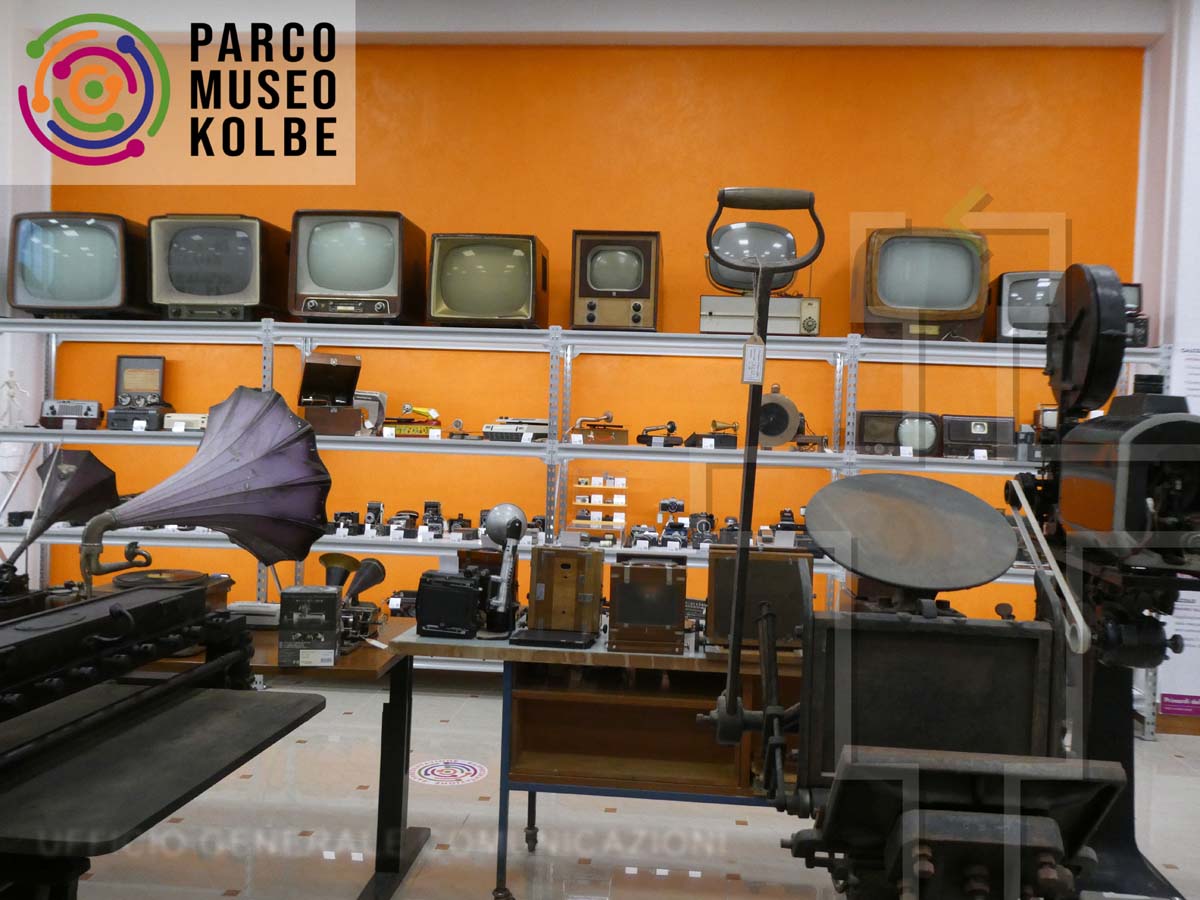
In Friar Pio’s vision, the Park—drawing inspiration from St. Maximilian Kolbe—aims to combine the timeless message of the Gospel with humanity’s journey through science, technological discoveries, and the development of communication, in harmony with creation. I believe that, in this vision, Friar Pio drew upon his own formation experience in Frigento (Province of Avellino, Italy) during the early years of his Franciscan vocation. That experience of “reform” was an attempt to live out the Marian-Kolbean charism by combining austere living with the use of the media to proclaim the Gospel in the spirit of the Immaculata, following the example of St. Maximilian. Thus, the Park presents a journey of human discovery that shows how science is more than technology; it is a gift that broadens knowledge, nurtures thought, and elevates the human spirit. This theme feels especially relevant in our highly “connected” age, which nevertheless needs the right kind of connections to avoid losing sight of the truth and what preserves our humanity in the era of AI (artificial intelligence), as Pope Leo reminds us in his recent first encyclical, Magnifica humanitas. Over the years, Friar Pio assembled an extraordinary collection of countless small and large objects that preserve the history of communication through the centuries, from its earliest forms to the present day. Together, these objects tell a story within the greater story of human progress and creativity.
Many people played an important role in this endeavor and provided valuable support for the project. First among them were the friars of the former Custody of Calabria, who welcomed and supported Friar Pio, who was a member of the Province of the Seraphic Father St. Francis in Italy (Naples). Friar Valerio FOLLI deserves particular recognition for helping, on behalf of the Order, over the past five years, to establish the Park as an ETS Foundation (Third Sector Entity). He also worked alongside a network of volunteers—many of them professionals—who freely contributed their expertise by guiding the Foundation through the necessary legal and administrative procedures and by assisting with the practical work needed to develop the Park. Sadly, Friar Pio, whose enthusiasm and energy inspired everyone around him, died prematurely on September 14, 2025, at the age of seventy-four, just as the project had reached an advanced stage of planning and concrete steps were being taken to open the Park to the wider region of Calabria in collaboration with academic institutions. It took all the passion of the group of volunteers—who had by then become the Kolbe Park ETS Foundation—supported by Friar Valerio and other friars of the Order, to realize Friar Pio’s dream and inaugurate the Park on July 18. The Region of Calabria and local public authorities also recognized the Park’s potential, viewing it as a promising cultural and social resource in an area struggling with depopulation. The inauguration was, therefore, an important milestone in launching the project, which will be directed by the lay members of the Foundation and will require—alongside our two friars serving on the board—the charismatic guidance of our Order. Dr. Francesco PERCIAVALLE, President of the Foundation, together with his collaborators, reiterated this to me. I sensed in them the desire to continue dedicating themselves to this initiative. With his enthusiasm, Friar Pio succeeded in awakening among them and within the local community an appreciation for the beauty of the Franciscan-Kolbean charism.
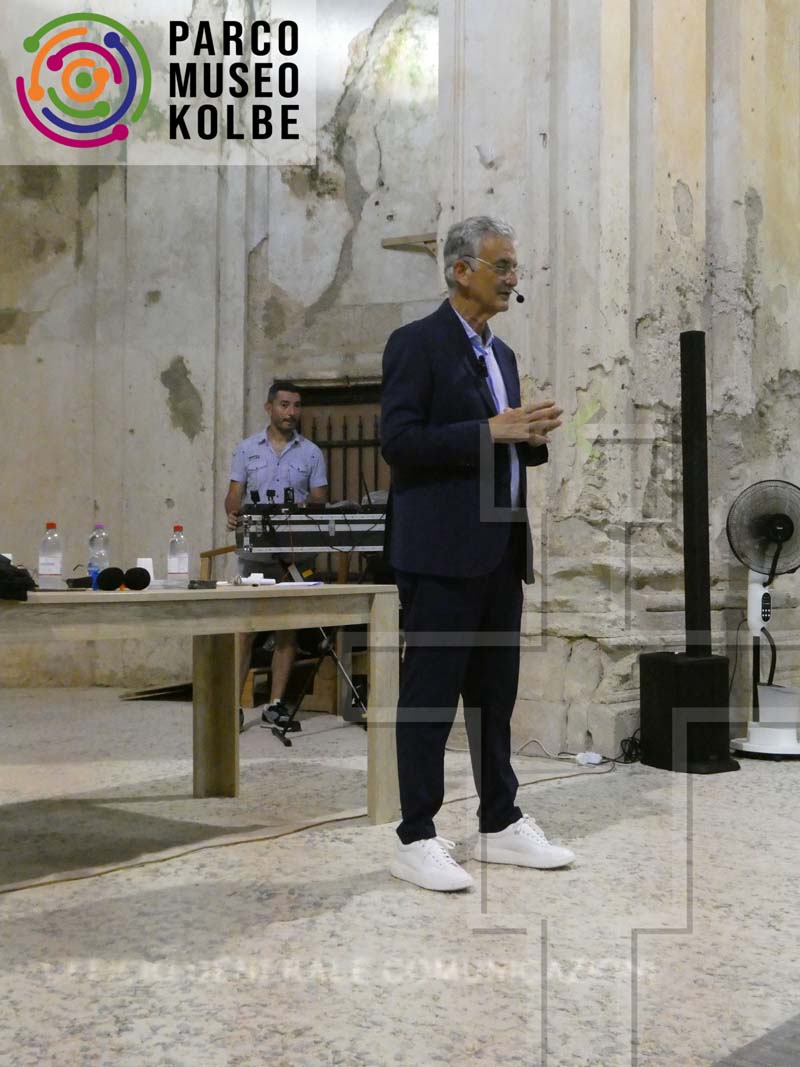
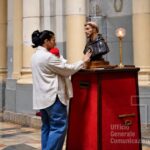
The inauguration itself was well-organized and included speeches, a blessing of the facilities, a ribbon-cutting ceremony, and a guided tour of the Park. The event was attended by municipal officials, professors from the University of Reggio Calabria, and many others, including Friar Pio’s sisters. The Amantea City Orchestra concluded the evening with a moonlit concert, bringing this memorable occasion to a fitting close. It was a beautiful way to thank the Lord for the “crazy” dream of a “dreamer” that inspired so many people and has now become a reality and a source of hope for many. For further information, please visit the Park’s website at: www.pmkolbe.it.
Friar Giovanni VOLTAN