


One of the greatest philosophers of ancient Greece, Aristotle, emphasized the educational value of music in his work Πολιτικά (Politics). His thinking is summed up in a phrase attributed to him: “Music helps ennoble one’s character.” A similar idea appears in the Polish saying: “Music softens one’s character.”
Even in antiquity, the proverb “He who sings well prays twice” was well known. Also well-known is St. Augustine’s observation: “Singing is the mark of those who love.” There is no doubt, then, that music and singing play a significant role in culture. A recent experience of interreligious dialogue highlights this as well.
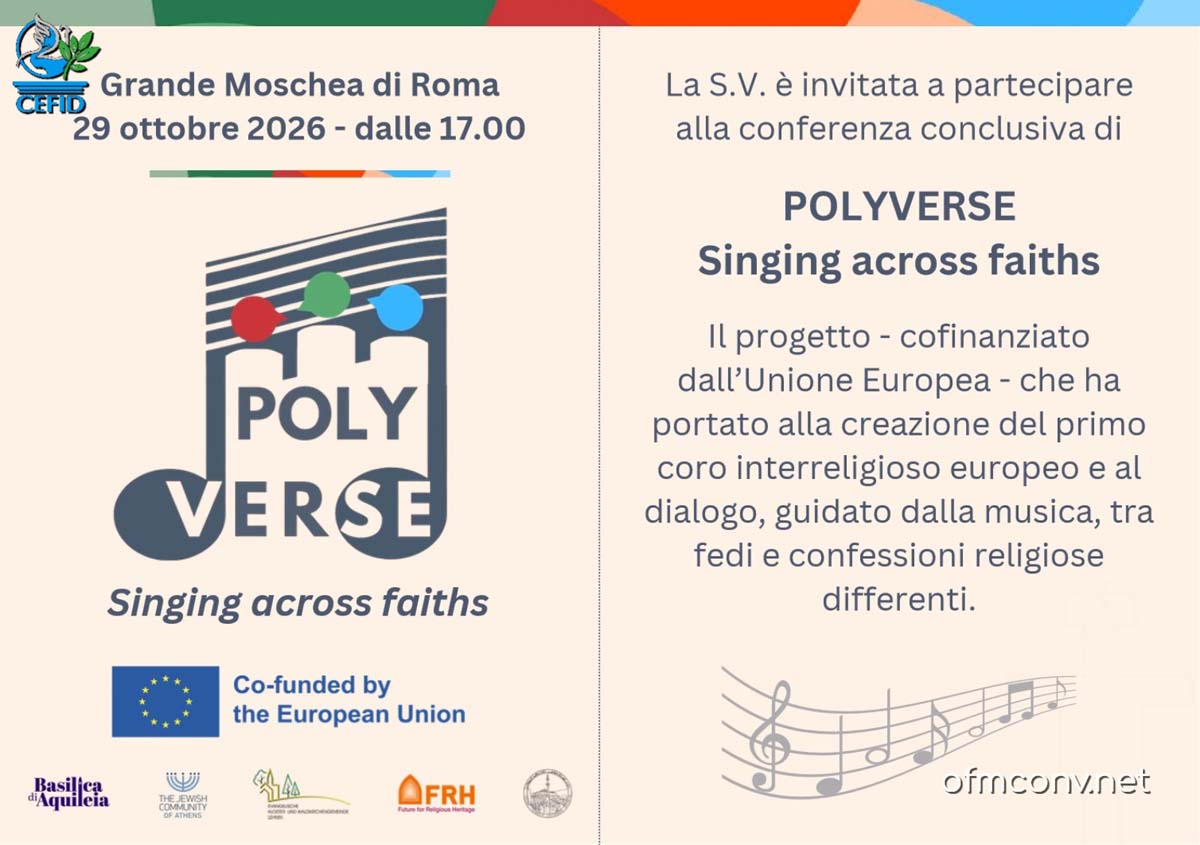
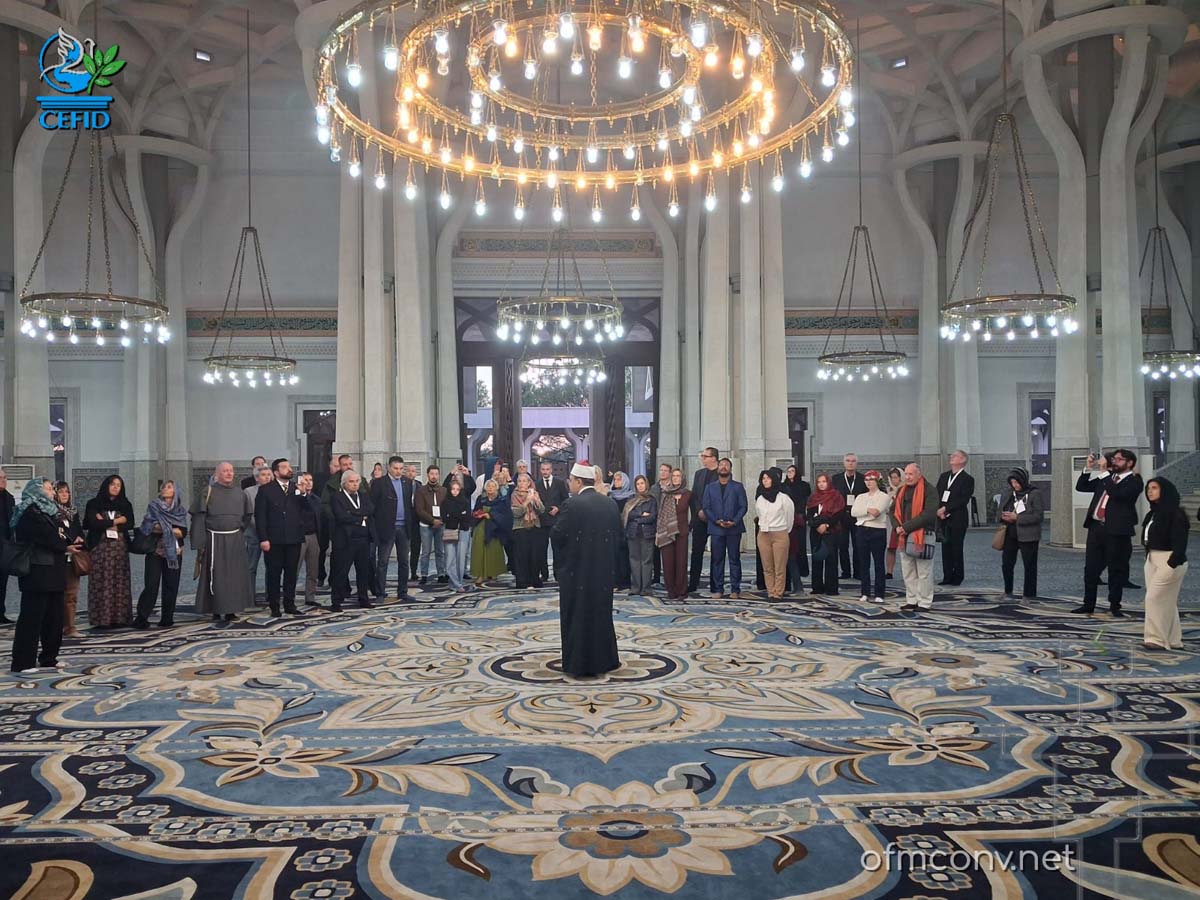
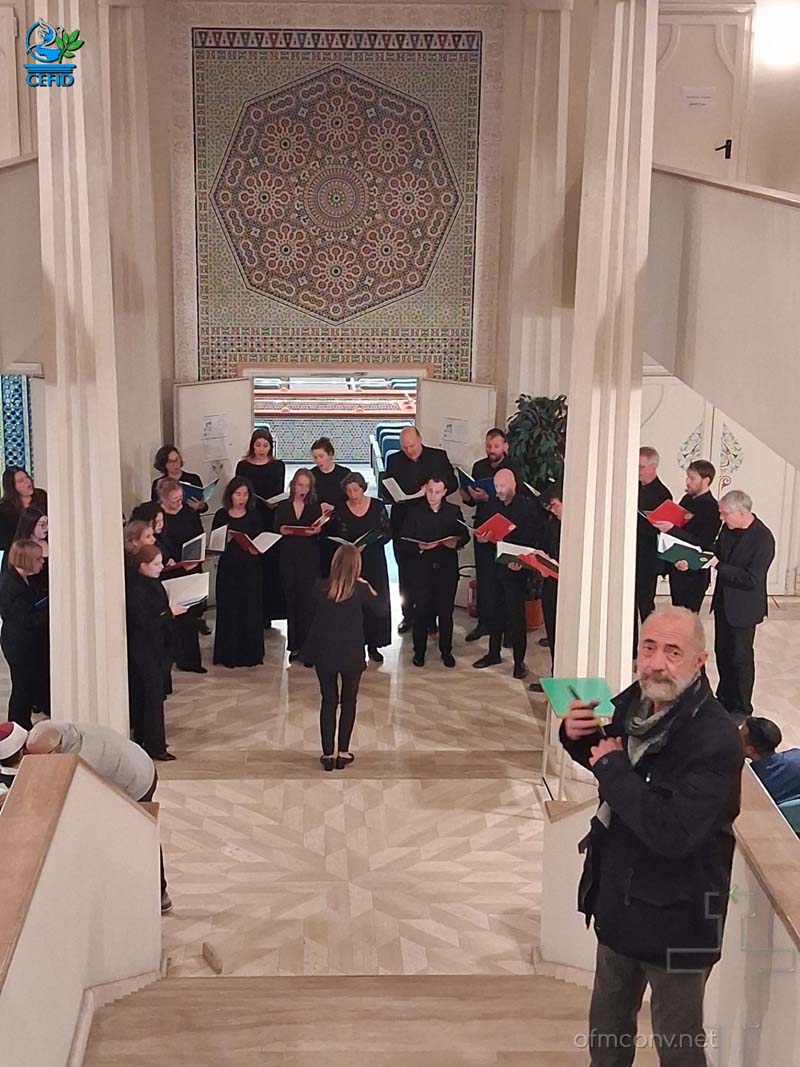
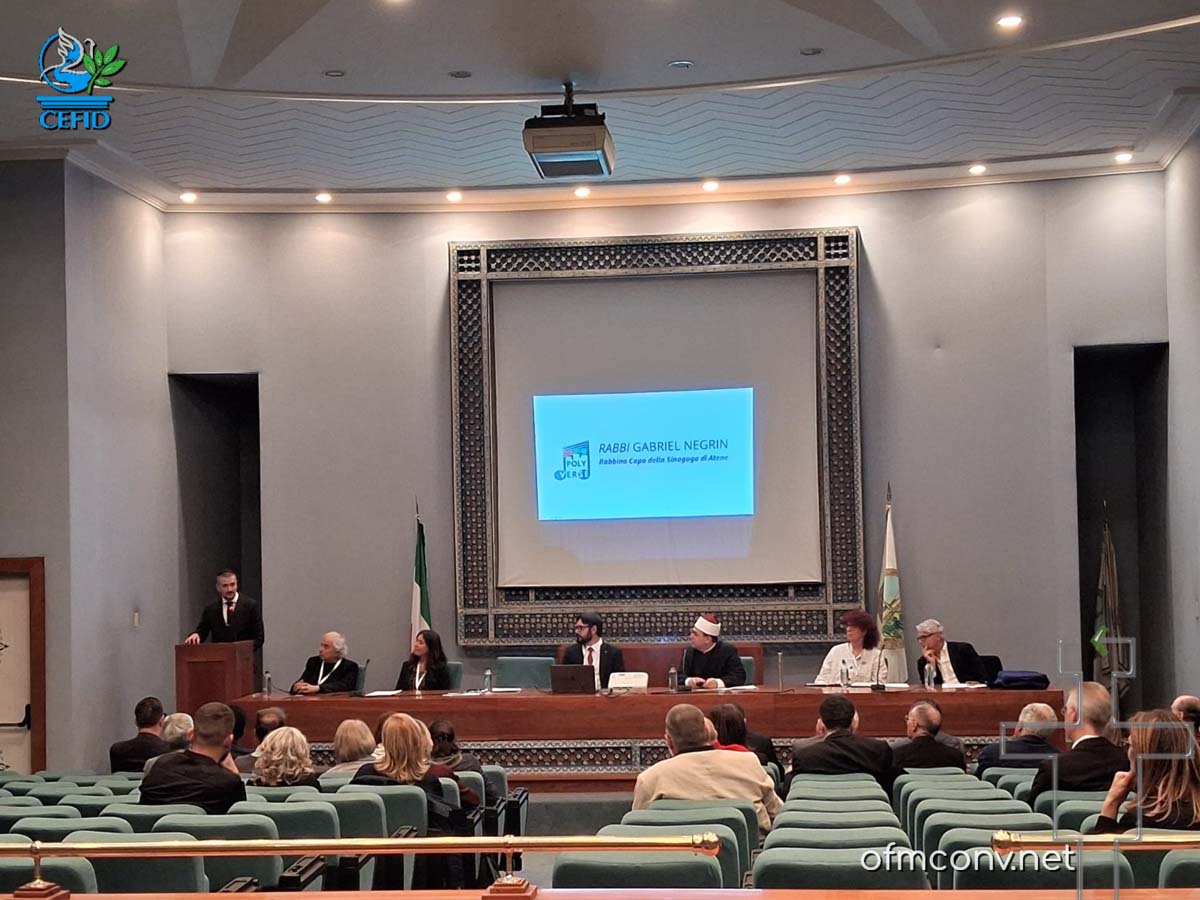
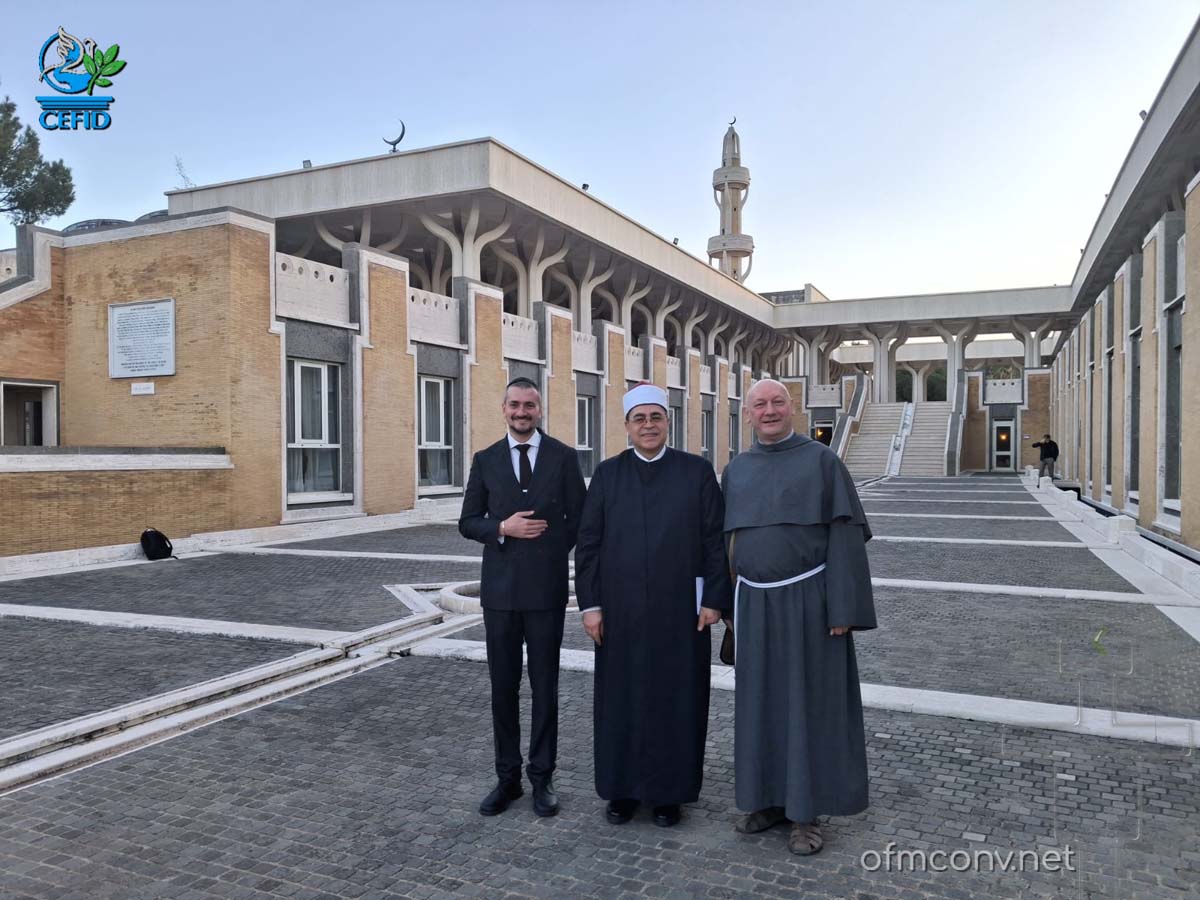
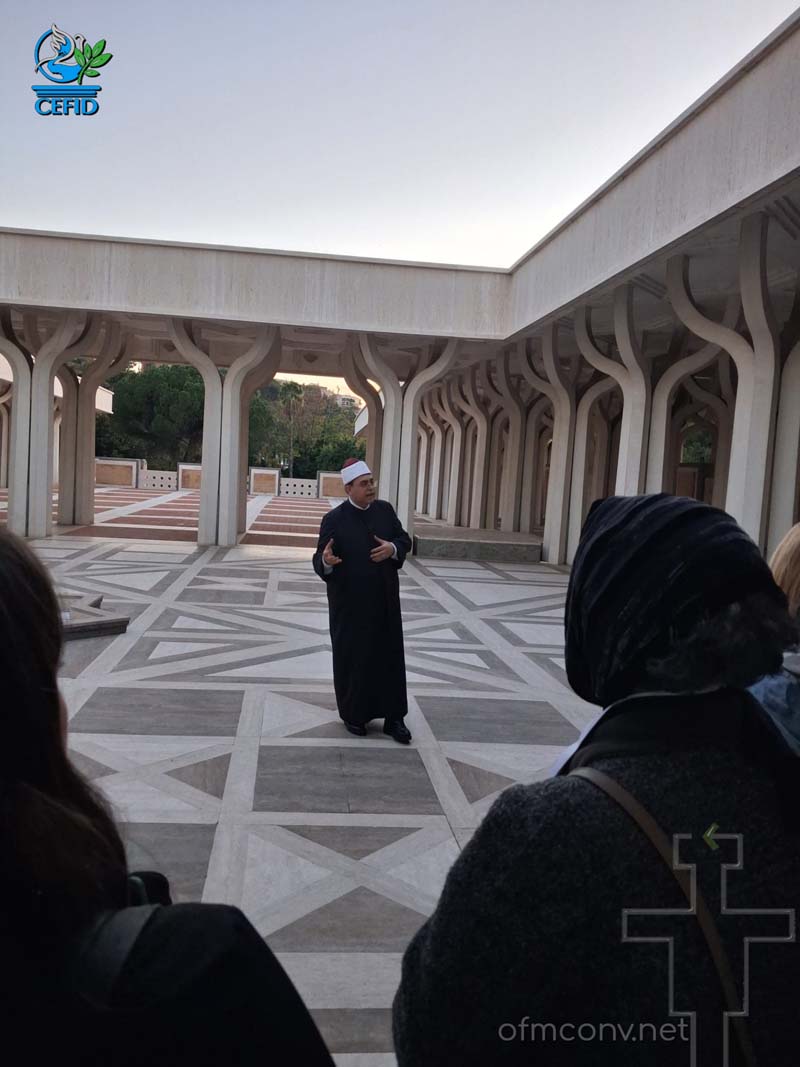
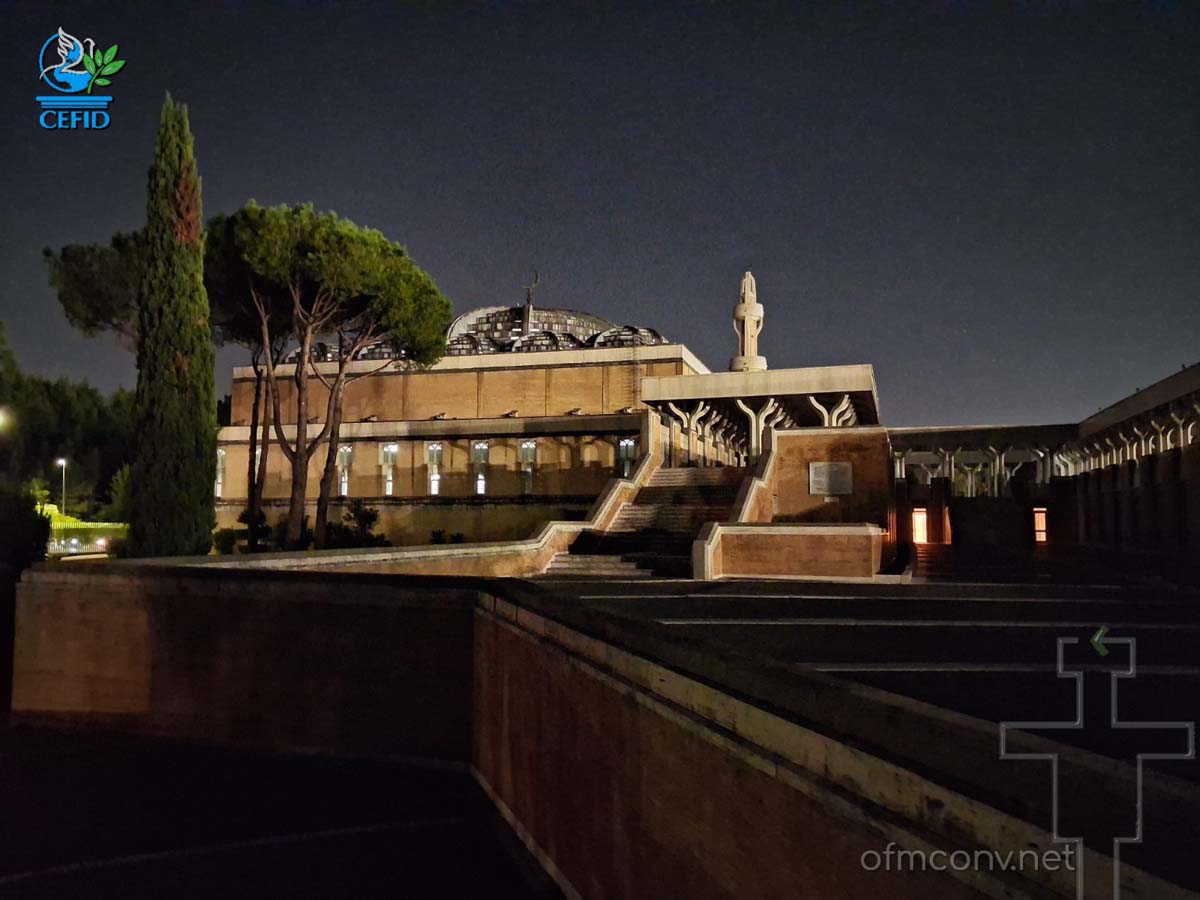
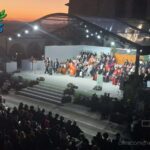
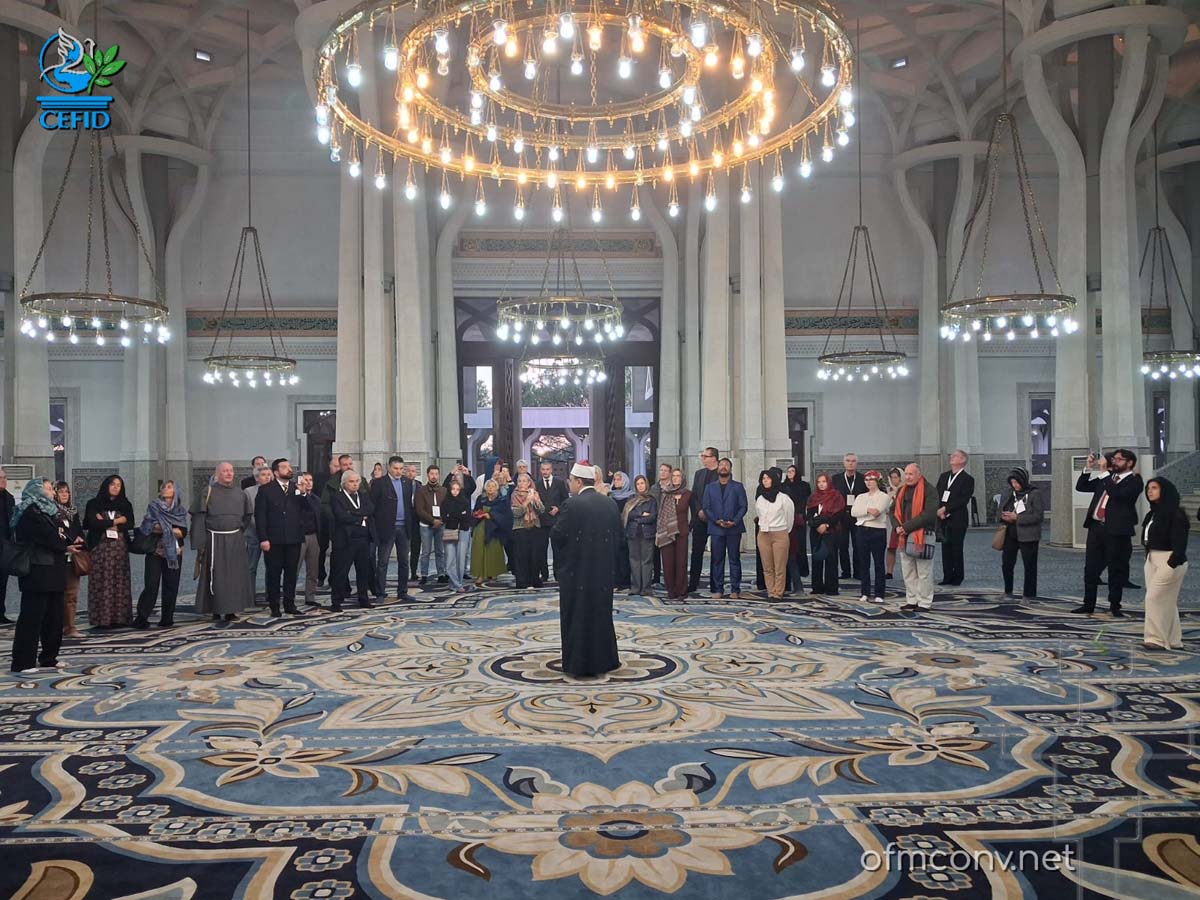
On October 29, 2026, at the invitation of Imam Nader AKKAD, I attended a gathering organized as part of the Polyverse Project. The project brought together choirs from different religious traditions. Over the past few months, these choirs had performed at various places of worship across several European countries before gathering at the end of October at the Grand Mosque of Rome. That is precisely where I was invited to participate. The gathering included a tour of the mosque, a short lecture, and, as its artistic highlight, performances by the participating choirs.
The presenters were Andrea BELLAVITE, Director of the Basilica of Aquileia; Gabriel NEGRIN, Chief Rabbi of the Jewish Community of Athens; Almuth WISCH, Pastor of the Evangelical Community of Lehnin, near Berlin; and, of course, our host, Nader AKKAD, Imam of the Great Mosque of Rome.
I am writing in particular to encourage our friars to take part in initiatives of this kind, collaborating internationally and interreligiously through music and singing. One friar has already expressed interest: Peter HRDY, Choir Director at the Basilica of St. Francis in Assisi.
So, friars: “Those who sing well pray twice.” And what about those who “sing well together with others”? I will leave the ending of that sentence to your imagination.
Friar Sławomir KLEIN,
General Delegate for Ecumenism and Interreligious Dialogue