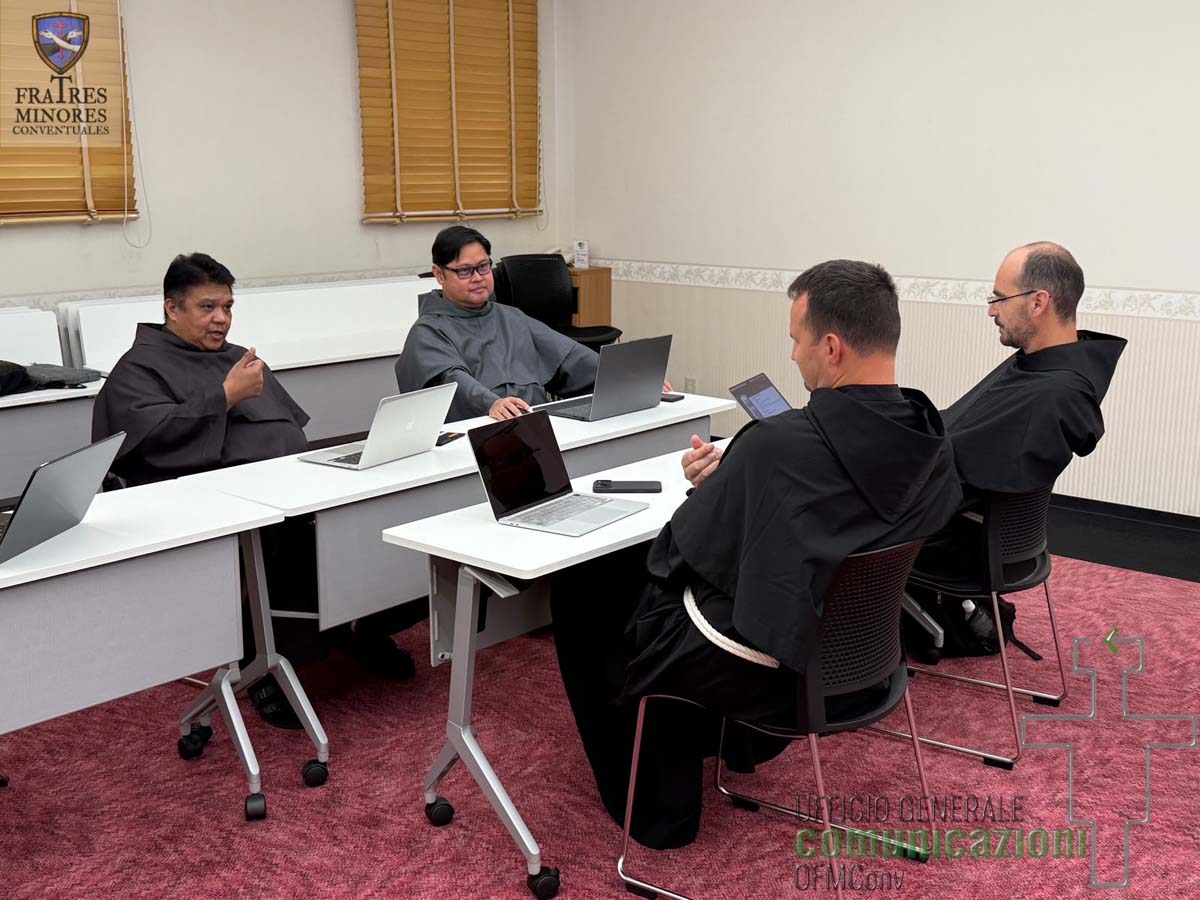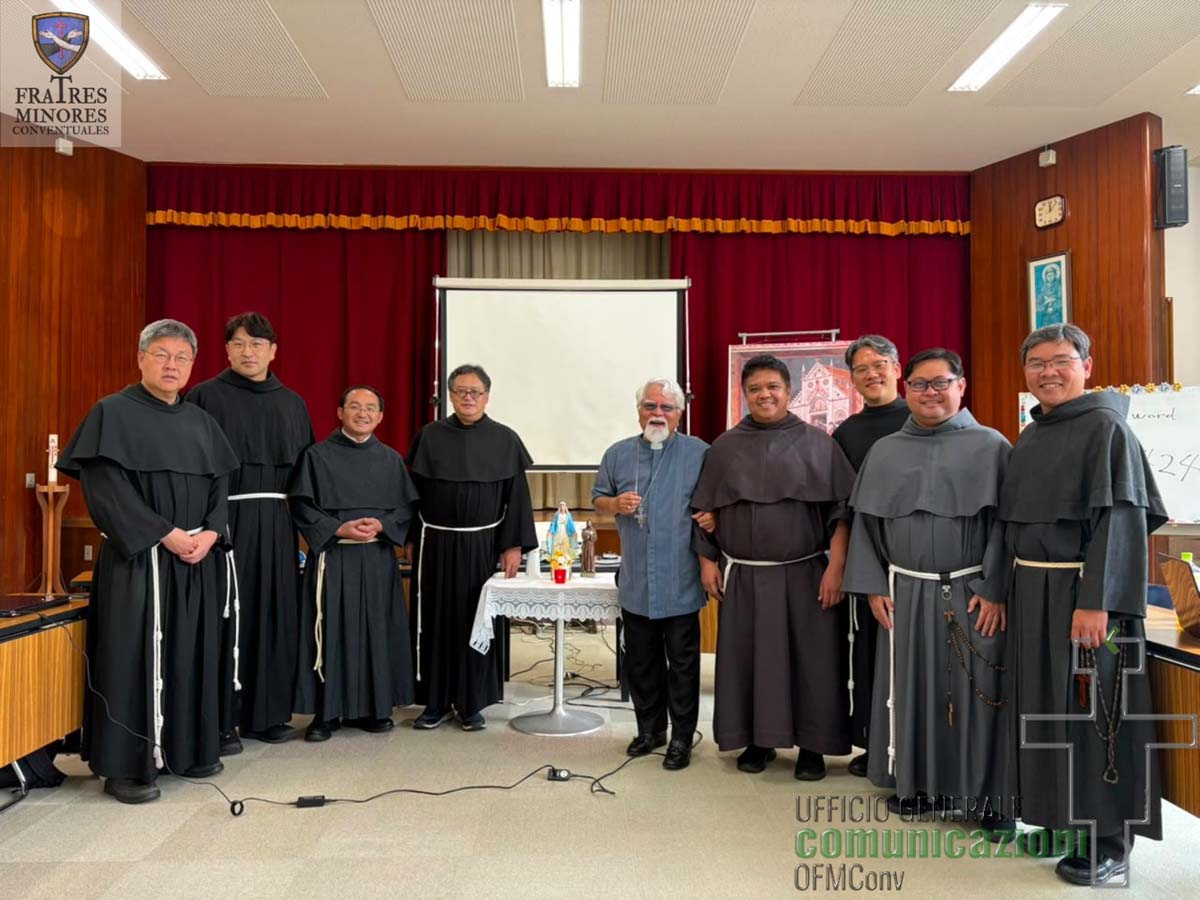



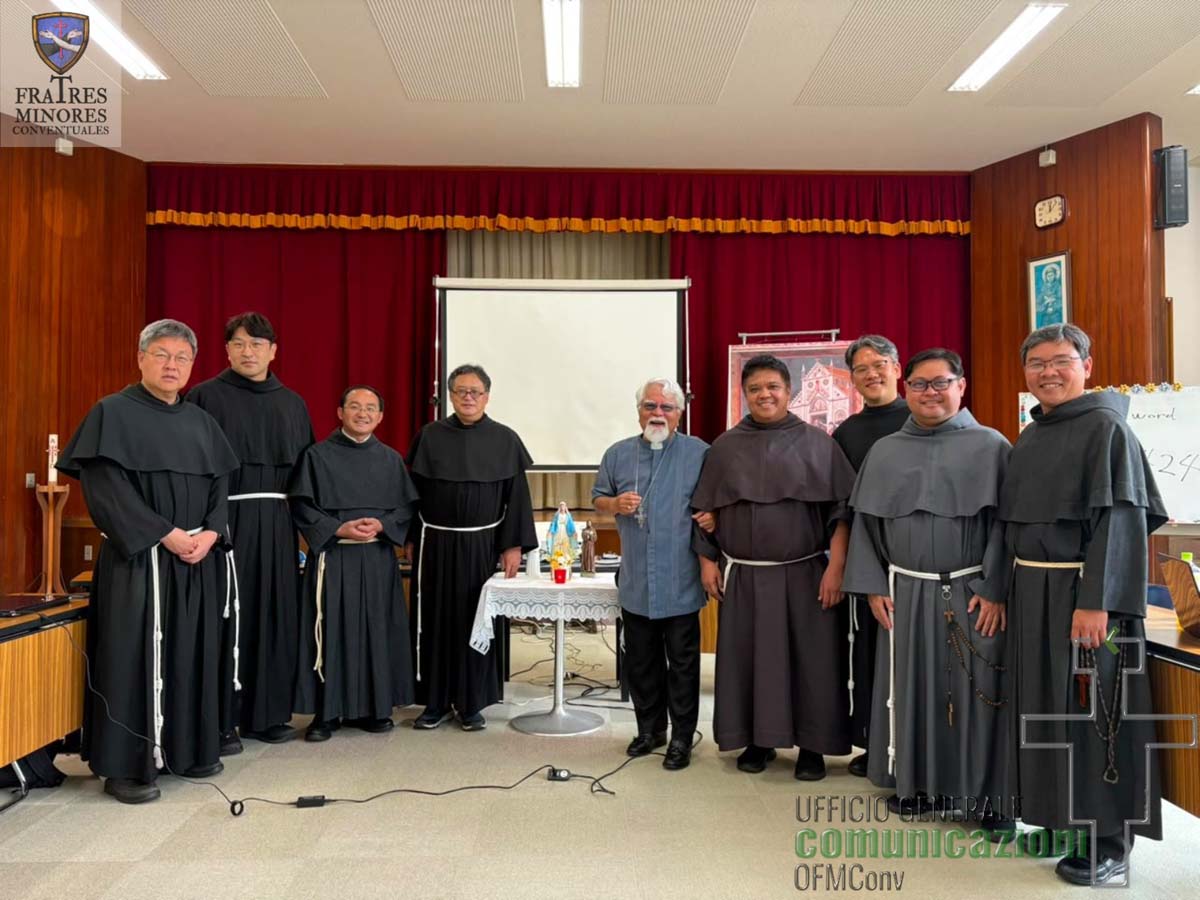
The Federation of Asian Minor Conventuals (FAMC) held its Assembly in Nagasaki, Japan, from October 12 to 17, 2026, bringing together friars representing the various Jurisdictions of the Federation for a week of fraternity, formation, reflection, and dialogue on the common mission of the Order in Asia.
The gathering provided an opportunity to exchange reports on the life and activities of the different Jurisdictions, reflect on the implementation of the Motions of the 2025 General Chapter, and explore possibilities for greater collaboration in formation and missionary work. The program also included a spiritual pilgrimage to significant Christian and historical sites in Nagasaki, as well as formation sessions on the economic administration and stewardship of the Order.
The formal proceedings began on Tuesday, October 13, with Mass and Morning Prayer, presided over by Friar Dennis M. VARGAS, Provincial Custos of the Provincial Custody of the Immaculate Conception and Bl. Bonaventure of Potenza in the Philippines and Secretary of the FAMC.
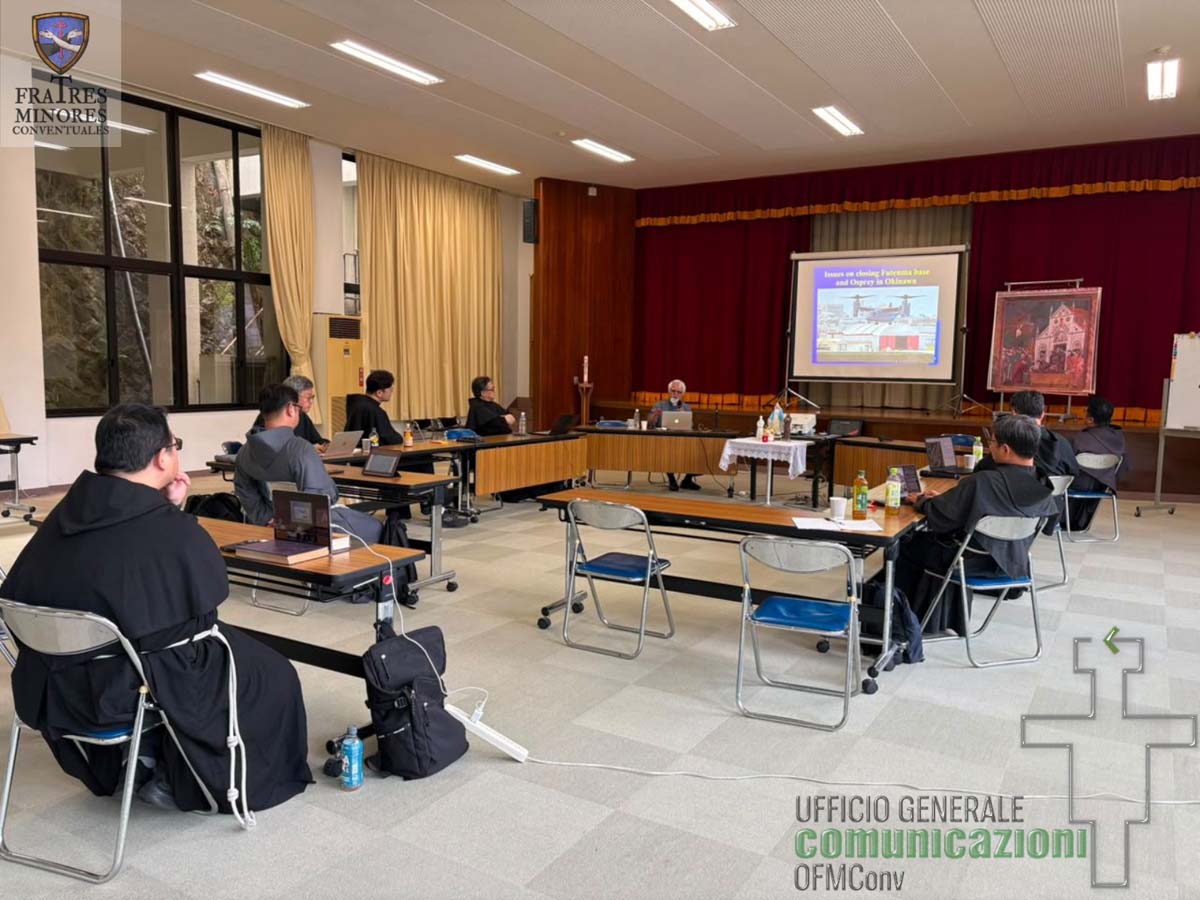
The principal event of the morning was a Franciscan formation conference delivered by Bishop Berard Toshio OSHIKAWA, Bishop Emeritus of Naha, Japan. His reflection invited the participants to deepen their understanding of Franciscan identity and mission in the context of the Church in Japan, particularly in the light of Nagasaki’s history of Christian persecution and the tragedy of the atomic bombing.
The conference highlighted the enduring witness of the Japanese martyrs and the importance of remaining faithful to the Gospel amid suffering and persecution. It also recalled the devastating consequences of war, drawing attention to the human suffering caused by the atomic bombing of Nagasaki. In this context, the Franciscan greeting Pax et bonum was presented not merely as a traditional expression but as a commitment to peace, reconciliation, and respect for human dignity.
Bishop OSHIKAWA’s contribution provided a meaningful spiritual foundation for the Assembly, reminding the friars that Franciscan spirituality, fraternity, and evangelization must be expressed through concrete service, compassion, and the promotion of peace.
The afternoon was devoted to administrative and financial matters. The participants approved the minutes of the previous meeting by a majority vote. Friar Lucas Shinichiroh TANIZAKI, Minister Provincial of the Province of the Immaculate Conception of the B.V.M. in Japan and FAMC Treasurer, presented the Federation’s financial report. Representatives then presented reports from their respective Jurisdictions, including Northeast India, Sri Lanka, the St. Joseph Delegation in southern India, India, Indonesia, Vietnam, the Philippines, South Korea, and Japan. These reports provided an opportunity to share the Jurisdictions’ respective situations, pastoral commitments, formation needs, and challenges.
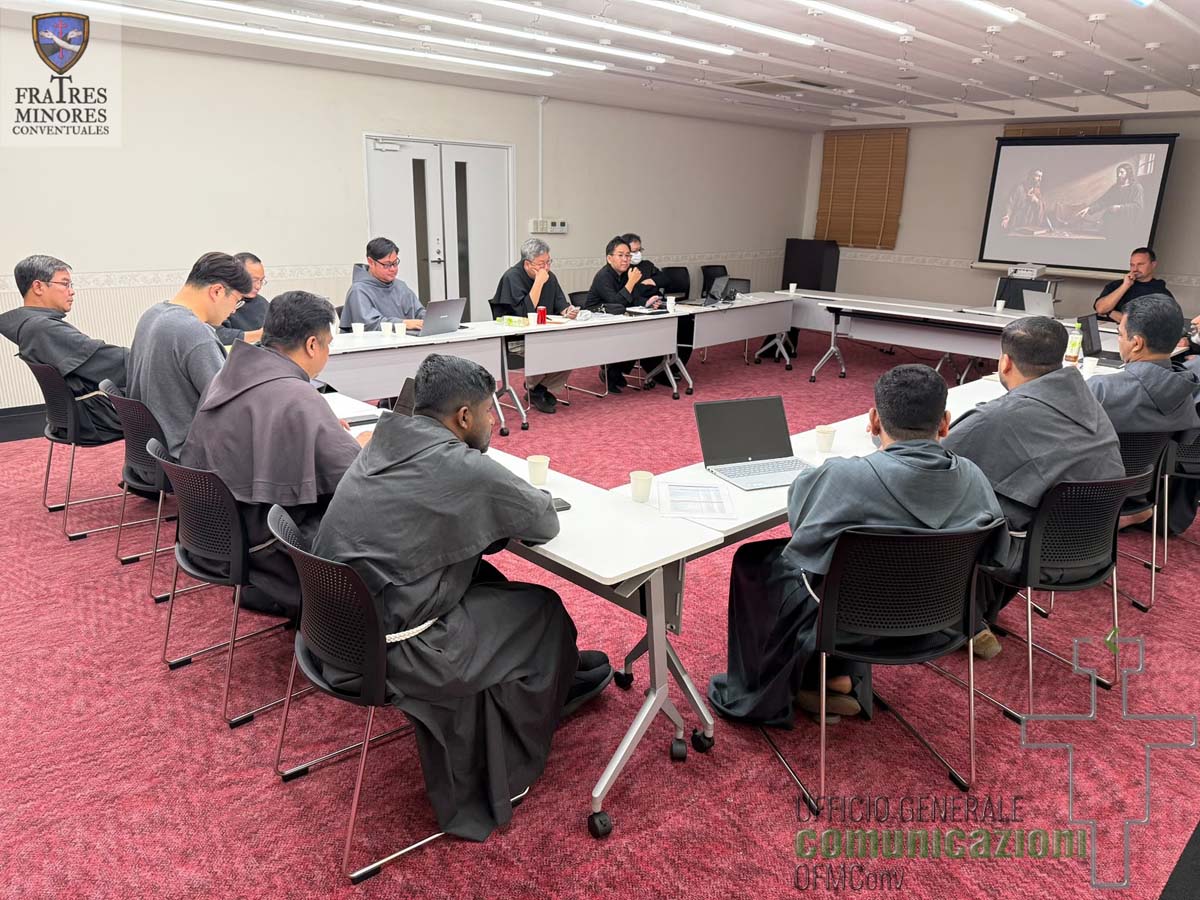
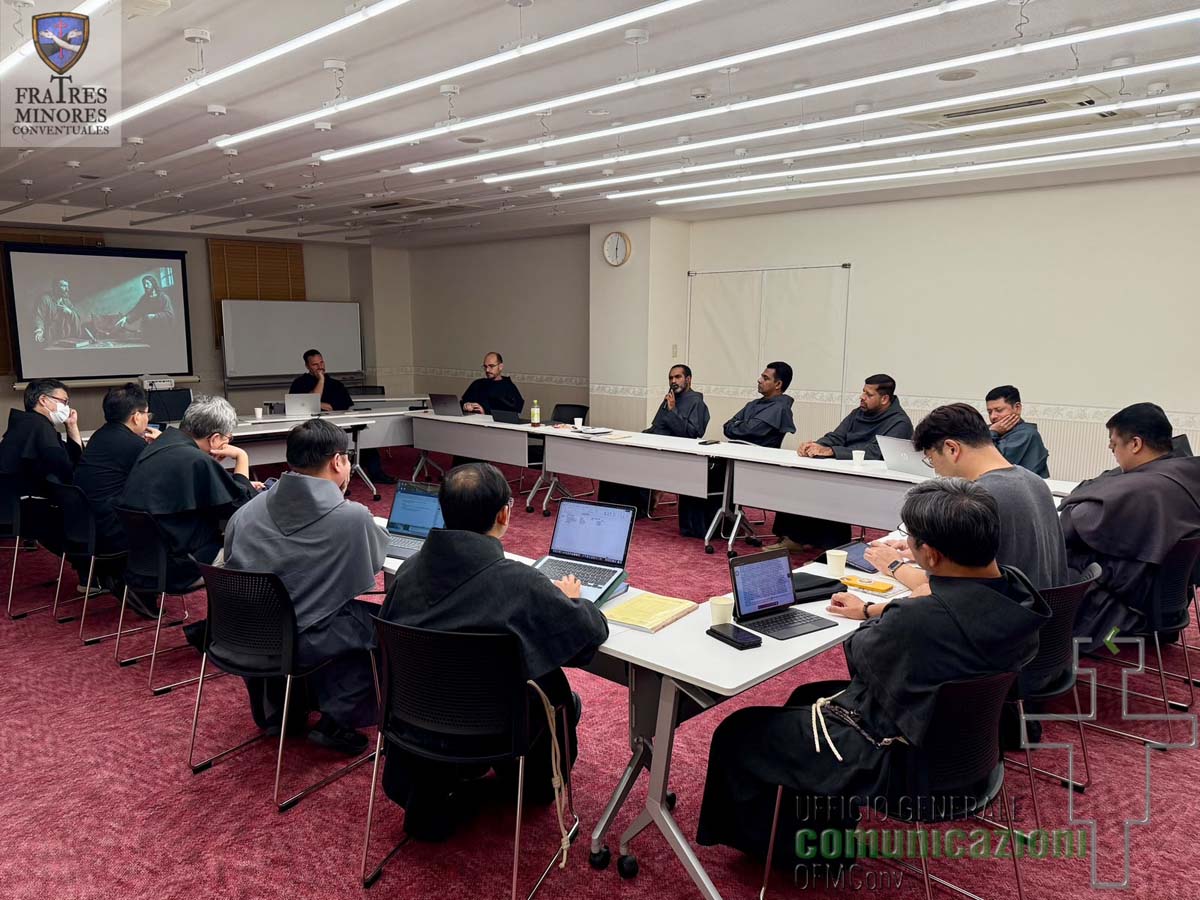
On Wednesday, October 14, the Assembly turned its attention to the implementation of the General Chapter’s Motions and the possibilities for strengthening cooperation among the FAMC Jurisdictions. The day began with Mass and Morning Prayer, presided over by Friar Dominic HOÀNG (Thành Nghĩa), Provincial Custos of the Provincial Custody of St. Francis Anthony Fasani in Vietnam.
The discussions included the report on the 2026 meeting of the General Definitory with the Presidents of the Federations in Rome and the implications of the General Chapter’s decisions for the life and mission of the FAMC. Particular attention was given to the significance of Article 29 of the Constitutions and the need to promote collaboration while respecting the circumstances and responsibilities of each Jurisdiction.
One of the proposals considered was the establishment of an English-language study program in the Philippines for friars from the Federation. Following the presentation and a lengthy discussion, the participants acknowledged its potential benefits in facilitating communication and cooperation among the Jurisdictions. However, no Jurisdiction expressed its readiness to send friars to participate at this time. Some cited a shortage of personnel, while others explained that English-language studies were already available in their respective countries.
The Assembly also discussed ongoing formation and missionary collaboration. The participants emphasized that formation remains a lifelong responsibility, extending beyond initial formation and solemn profession. Common formation activities could help friars deepen their Franciscan commitment and strengthen fraternity across the Federation.
Regarding mission, the discussion focused on possible ways of responding more effectively to missionary opportunities and pastoral needs through the sharing of personnel, the exchange of pastoral experiences, and the joint discernment of missionary priorities. No specific Jurisdiction was designated for a new common mission, nor was a definitive model of collaboration among Jurisdictions adopted. These matters were left open for further discernment and consultation.
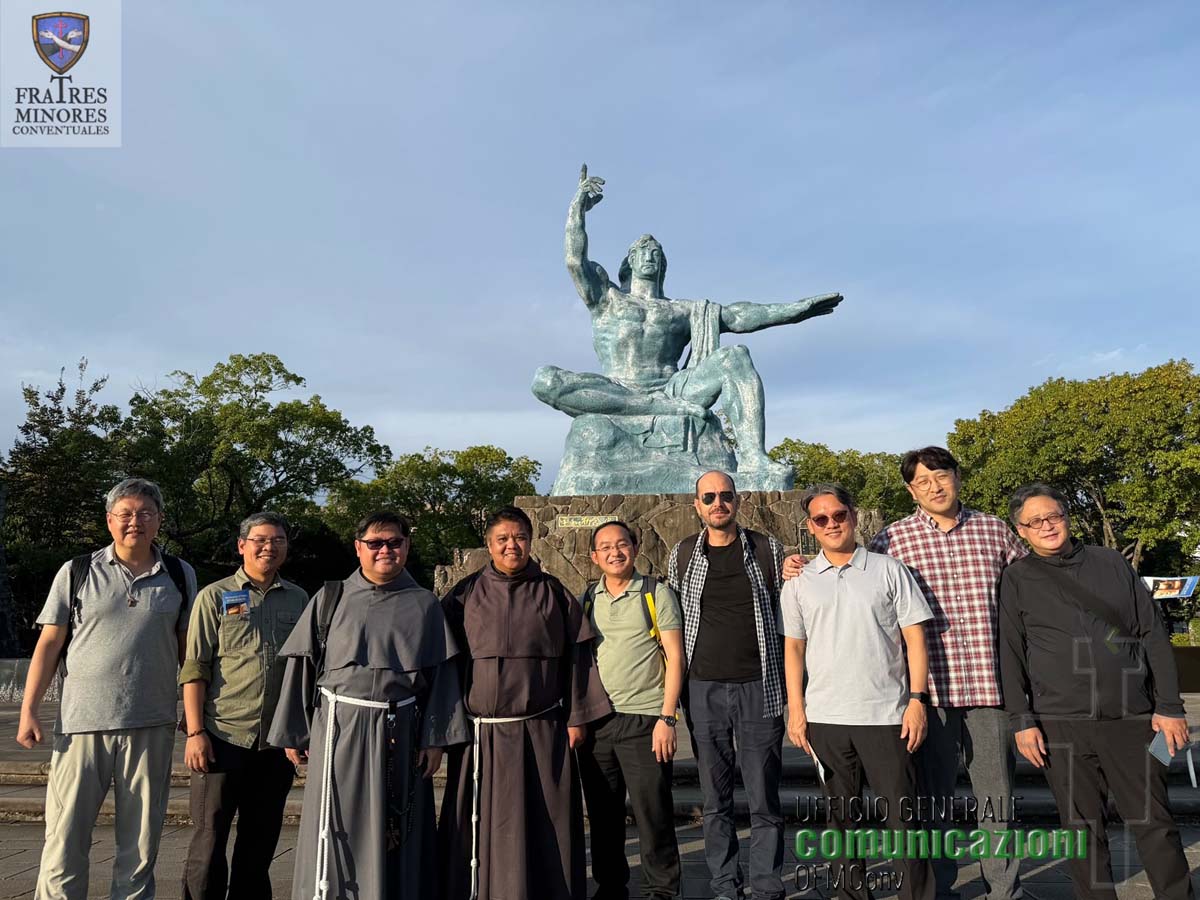
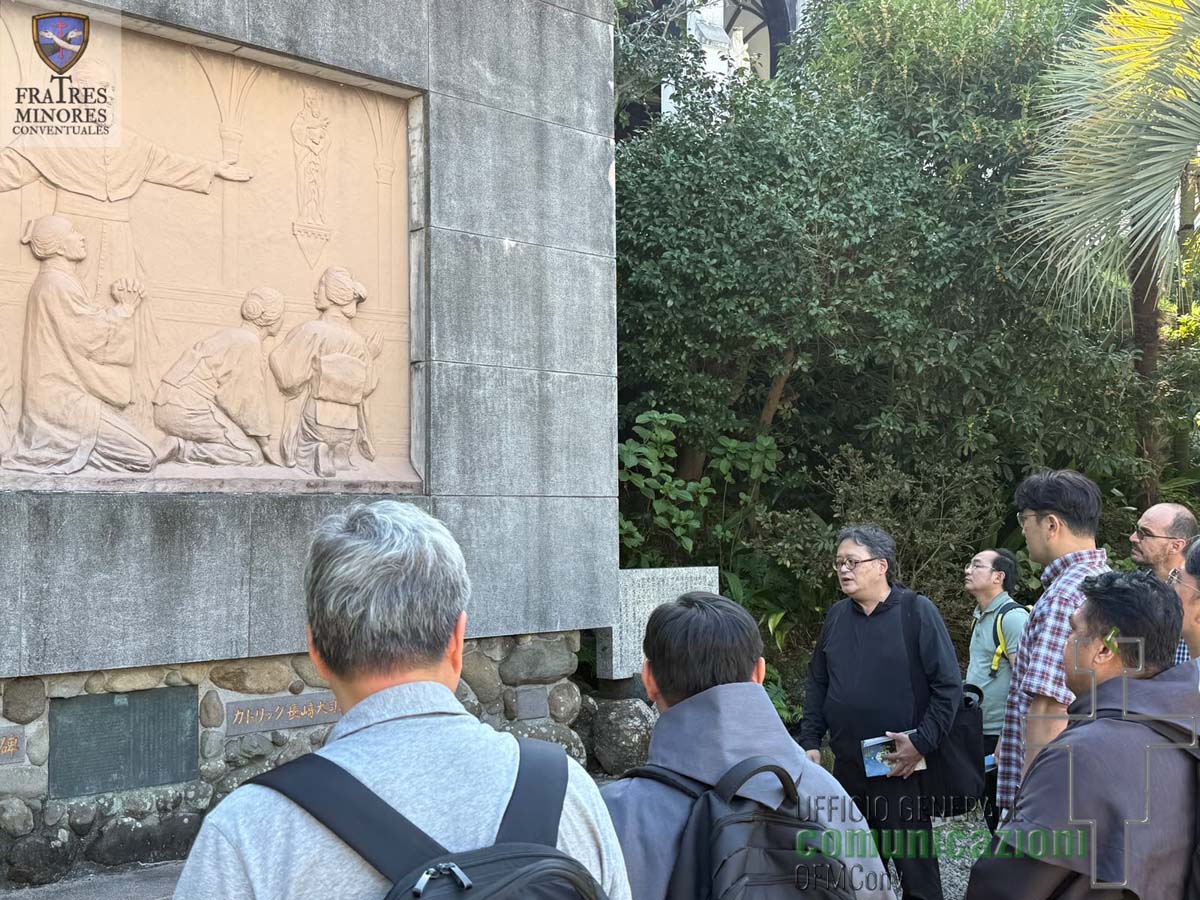
Thursday, October 15, was dedicated to a spiritual pilgrimage through places of particular significance in the Christian history of Nagasaki and the life of the Conventual Franciscans.
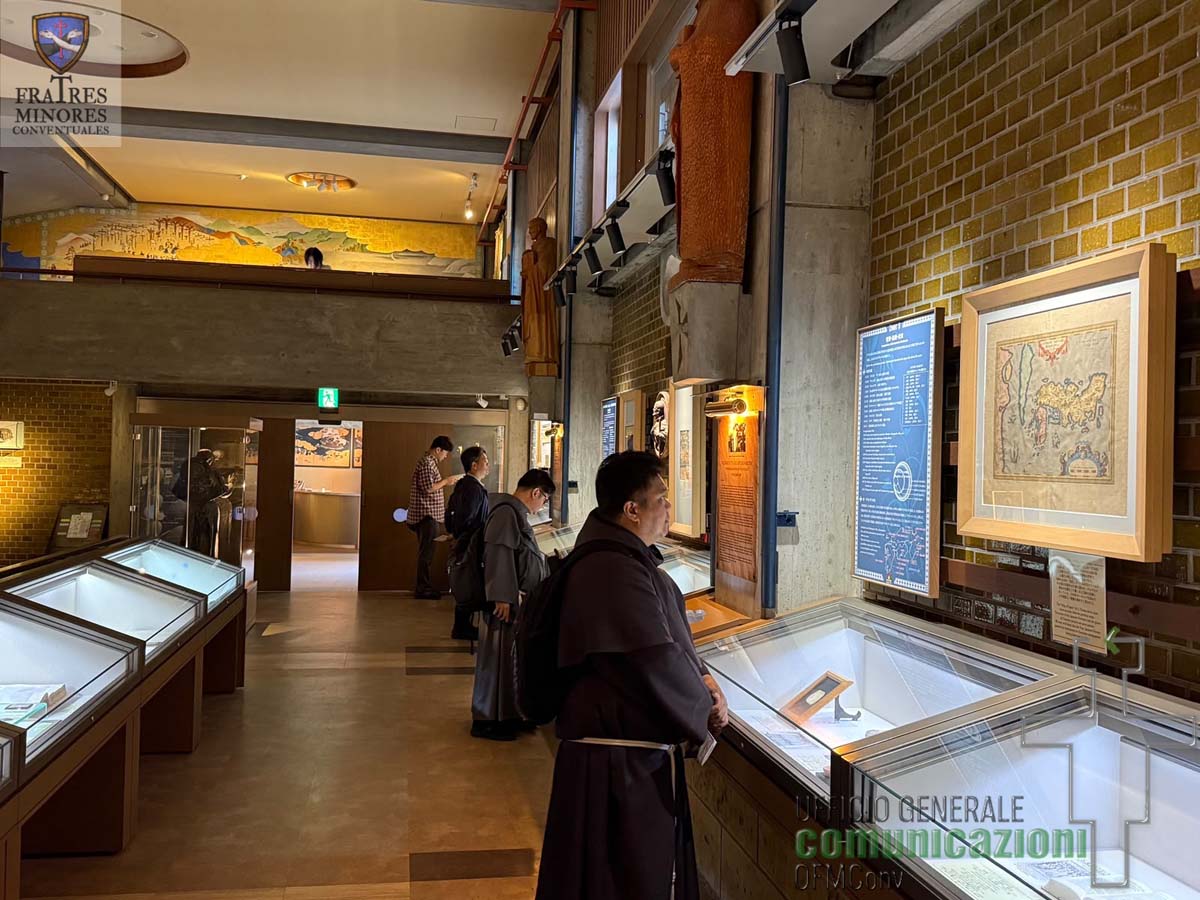
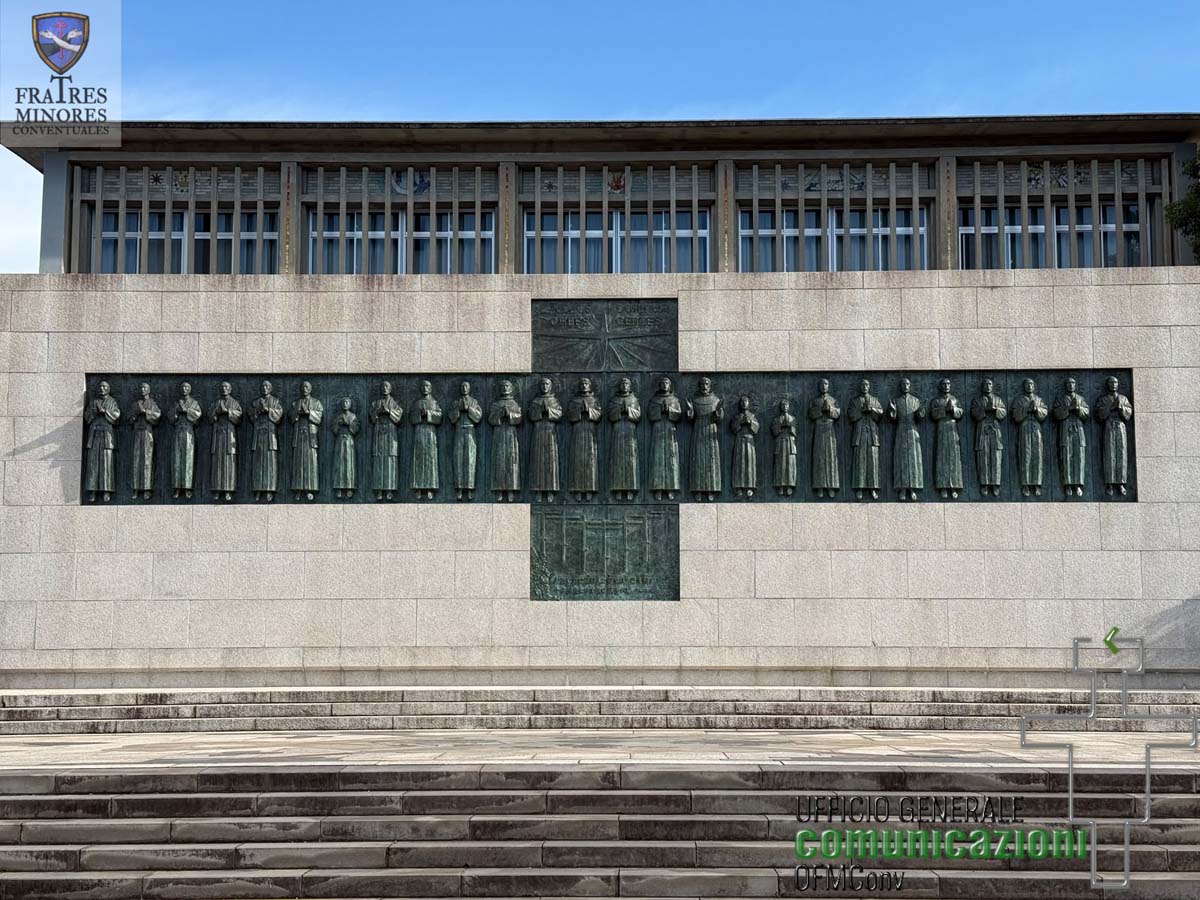
The pilgrimage included a visit to the Twenty-Six Martyrs Museum, commemorating the Christians who were executed in Nagasaki in 1597. Their witness recalled the courage and fidelity of those who remained steadfast in their faith despite persecution.
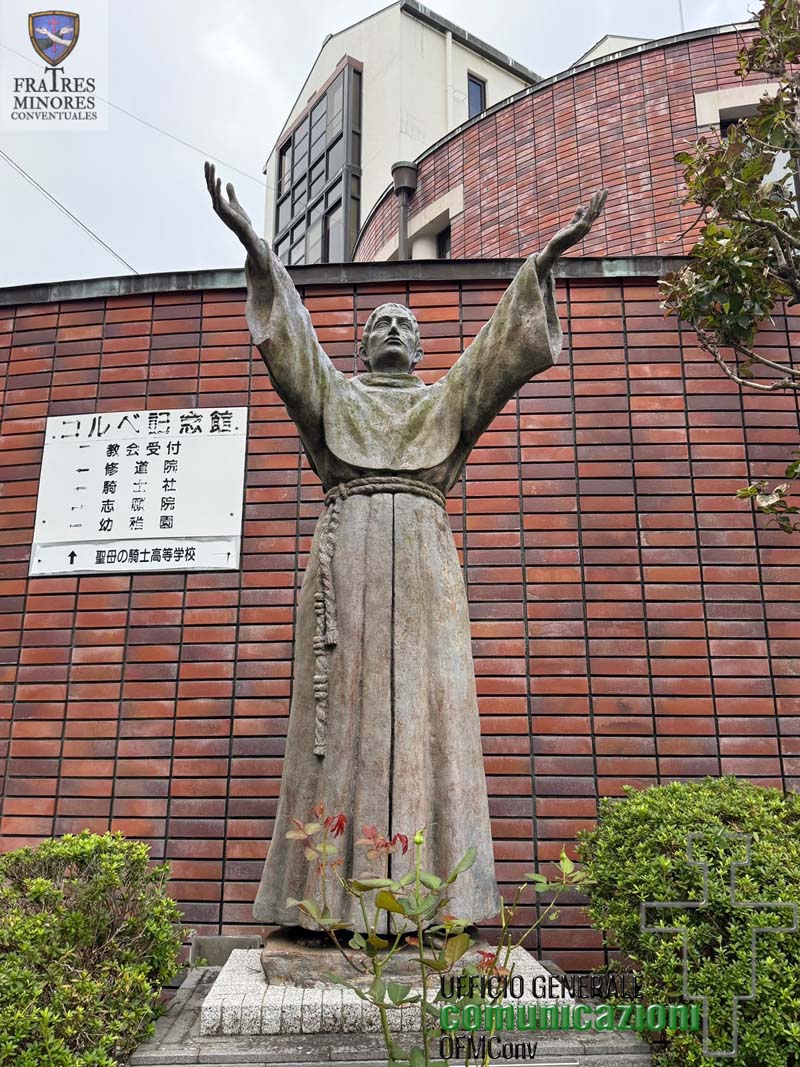
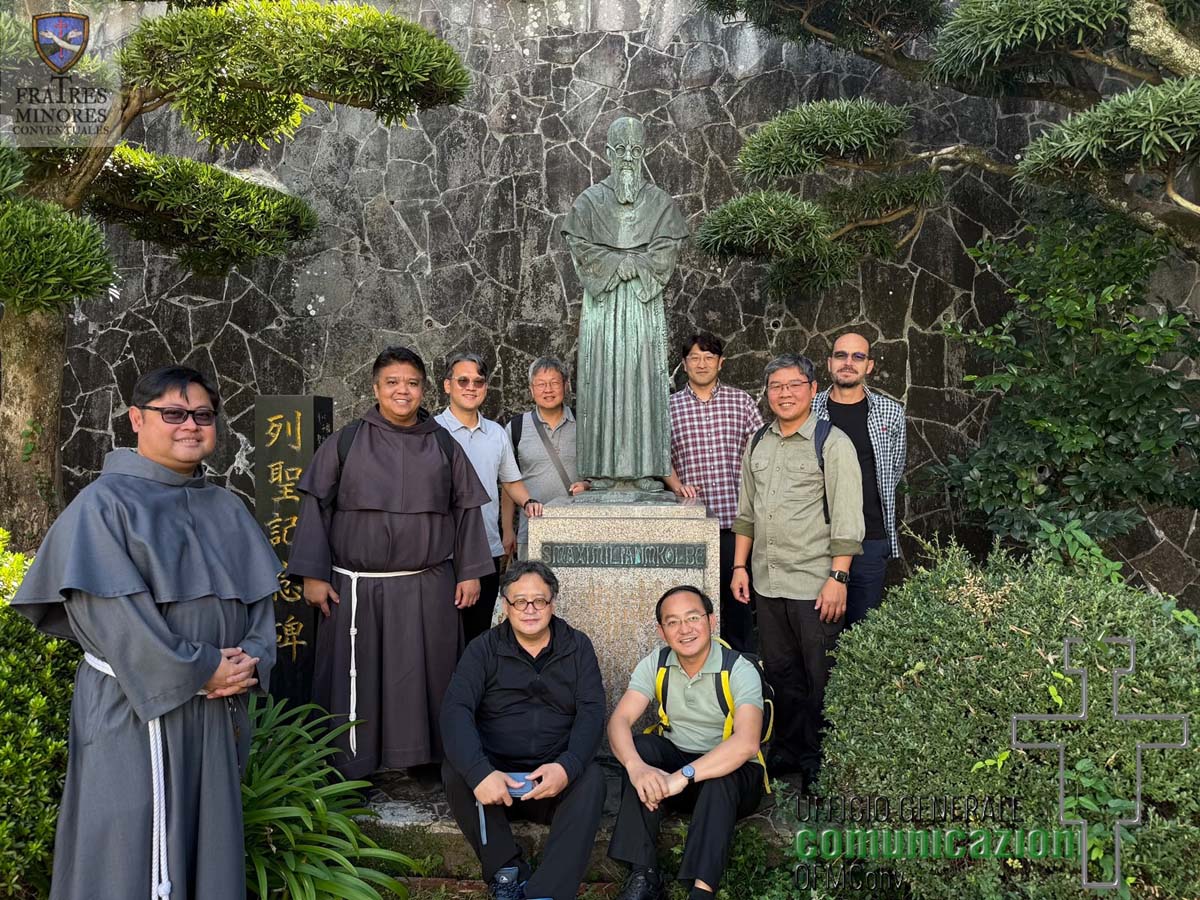
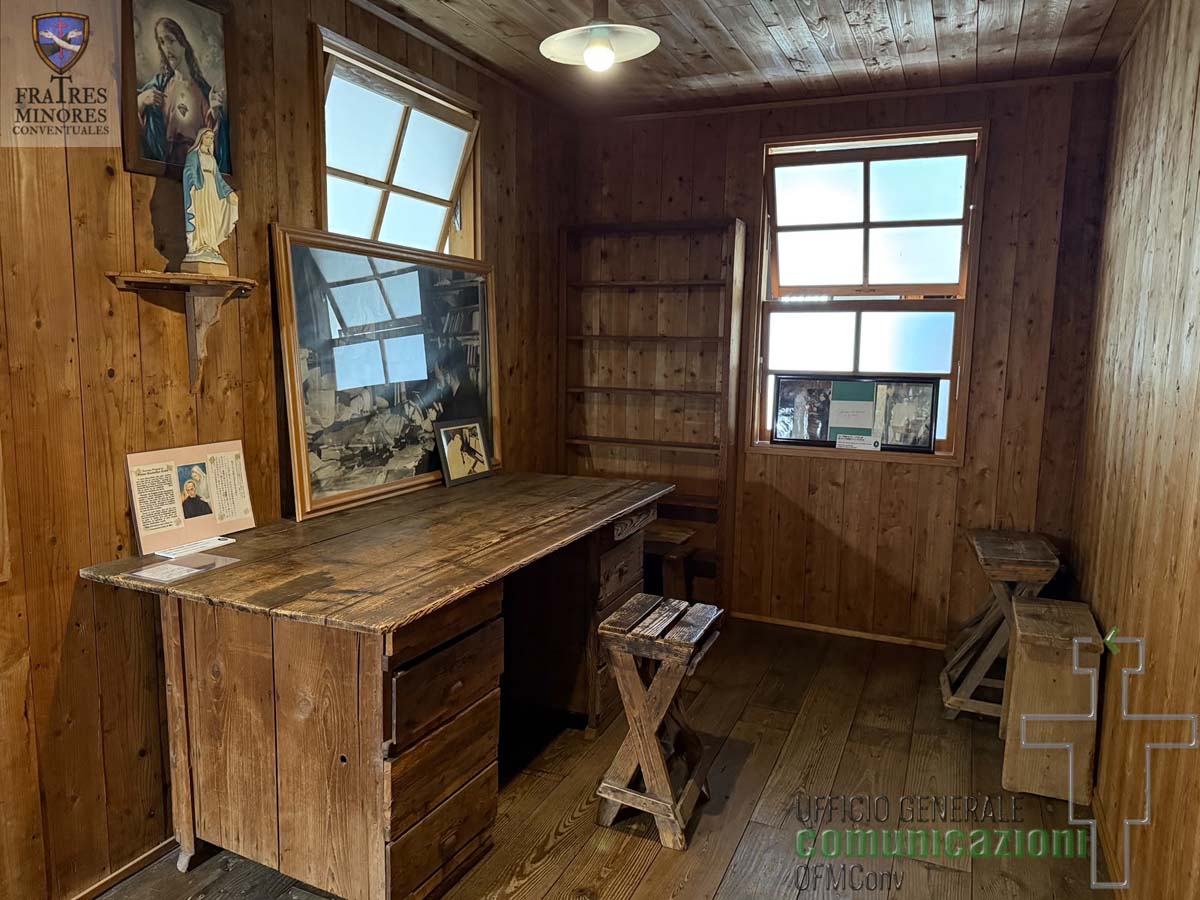
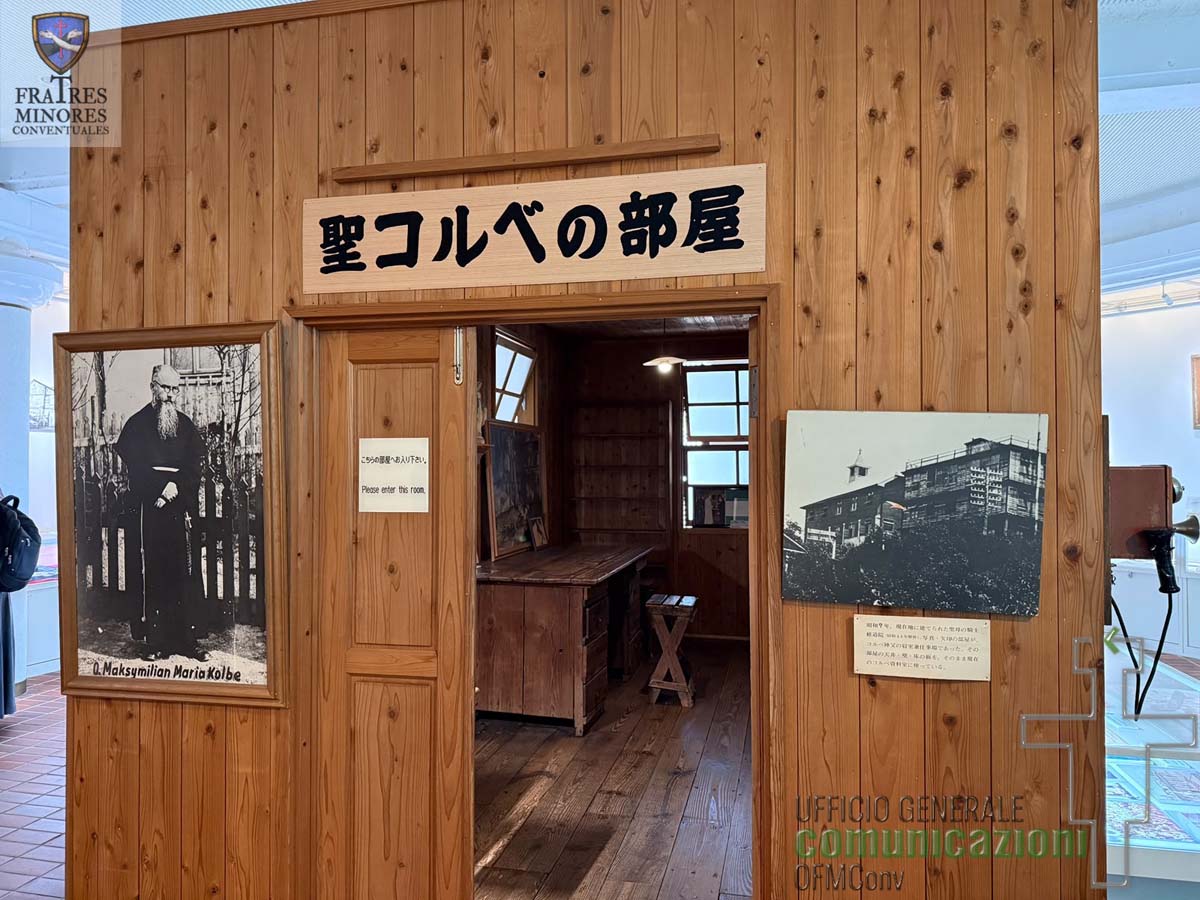
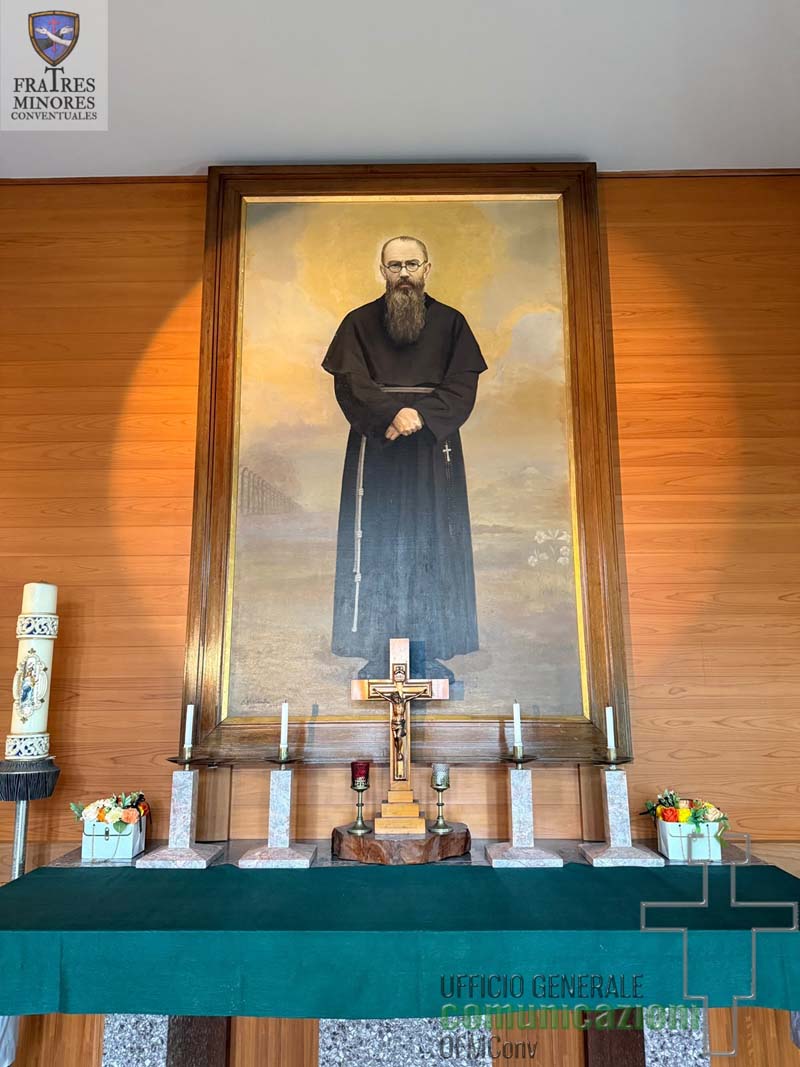
The participants also celebrated Mass at the minor seminary, presided over by Friar Giuseppe Myoungjin PARK, Assistant General for the FAMC, before visiting the St. Kolbe Memorial Museum. The life and mission of St. Maximilian Kolbe, particularly his devotion to the Blessed Virgin Mary, missionary zeal, and ultimate sacrifice at Auschwitz, offered a powerful reminder of the Franciscan vocation to self-giving love and service.
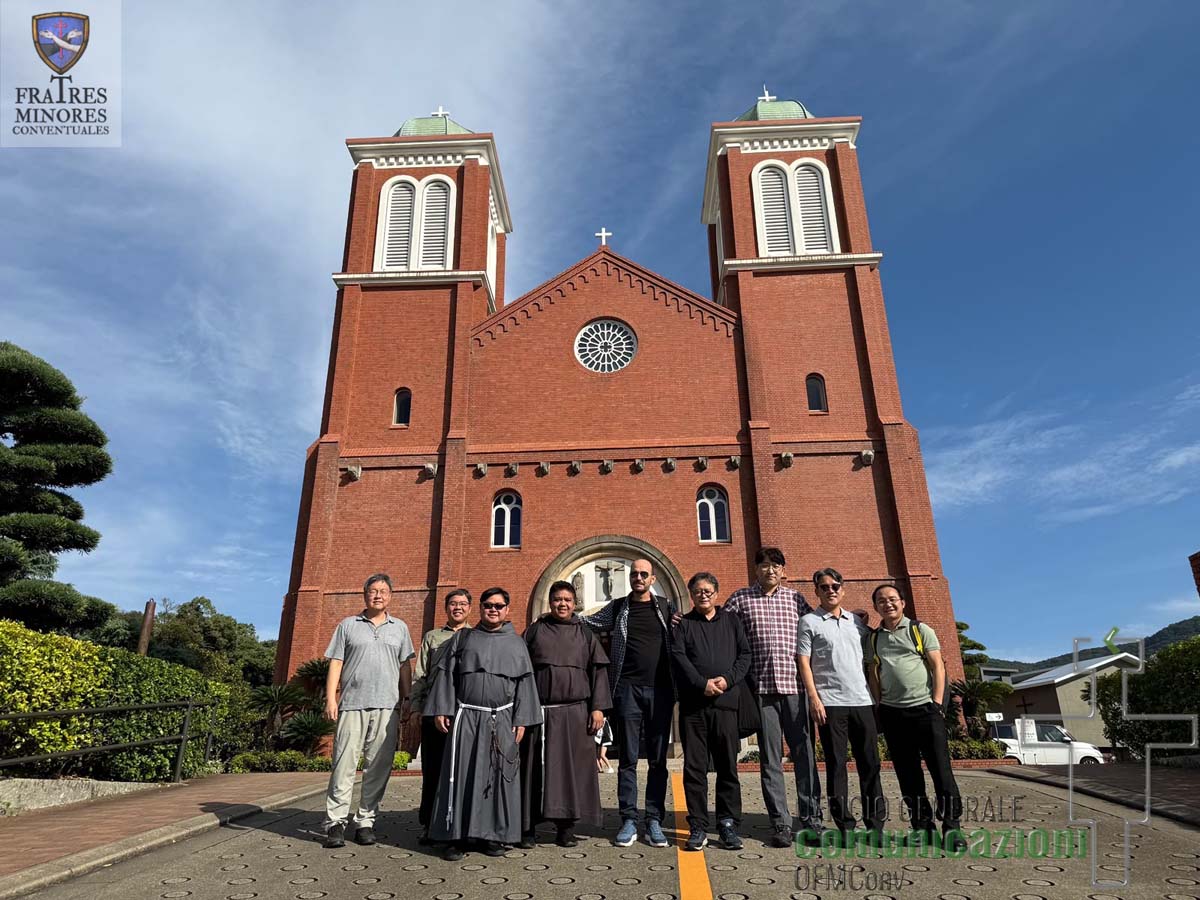
The pilgrimage continued to Oura Church, a significant site associated with the rediscovery of Japan’s hidden Christian communities, who had preserved their faith through generations of persecution. The participants also visited Urakami Cathedral, the Nagasaki Atomic Bomb Museum, and Peace Park.
These places provided an opportunity to reflect on the suffering caused by the atomic bombing and the continuing responsibility of Christians to promote peace and protect human dignity. The experience gave particular significance to the Franciscan commitment to Pax et bonum, reminding the friars that peace must be lived through reconciliation, respect, and solidarity with those who suffer.
Friday, October 16, was devoted to economic formation, with presentations by Friar Leszek ŁUCZKANIN, General Econom of the Order, and Friar Cătălin FABIAN, General Exactor.
The day began with Mass and Morning Prayer, presided over by Friar Leszek. The formation sessions addressed financial administration and the responsible stewardship of the temporal goods of the Order.
The presentations emphasized that economic administration is not merely a technical or administrative responsibility but an essential service to the life and mission of the Franciscan communities. The proper administration of resources requires transparency, accountability, competence, and fidelity to the norms of the Church and the Order.
The participants also had the opportunity to raise questions and exchange views on practical concerns affecting their respective Jurisdictions. In the afternoon, individual meetings were scheduled between representatives of the Jurisdictions and the General Econom, Friar Leszek ŁUCZKANIN, and the General Exactor, Friar Cătălin FABIAN, providing an opportunity for more specific consultations regarding their financial responsibilities.
The day concluded with a fraternal supper with the friars of the Friary of the Immaculate Conception of the Blessed Virgin Mary (Seibo no Kishi).
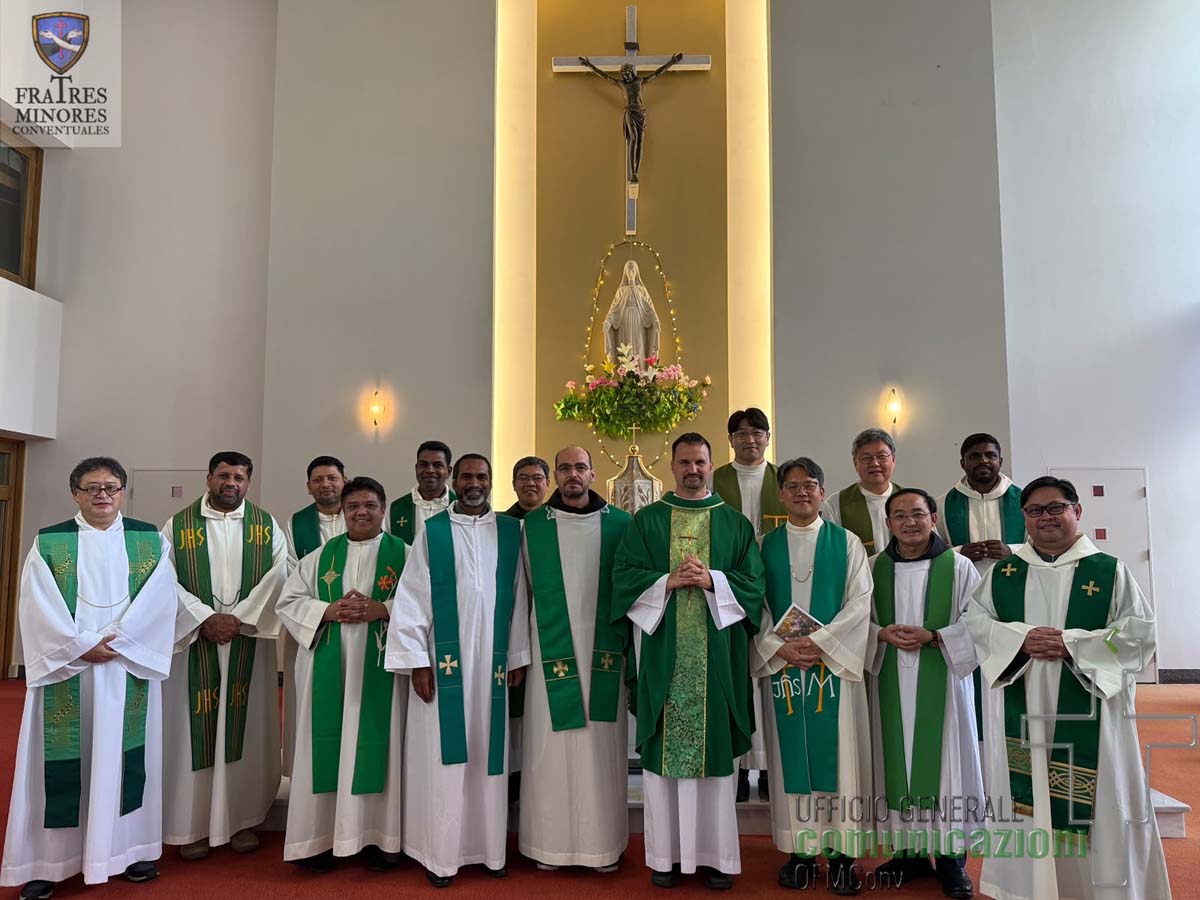
The Assembly concluded on Saturday, October 17, with a Mass at the parish church presided over by Friar Michael EARALY, Minister Provincial of the Province of St. Maximilian M. Kolbe in India and President of the FAMC. The celebration brought the participants together in thanksgiving after several days of prayer, formation, discussion, and pilgrimage.
Following the concluding activities, departures were staggered according to travel arrangements, with some participants leaving on October 17 and others on the following days.
The FAMC Assembly in Nagasaki provided a valuable opportunity to renew the bonds of fraternity among the Conventual Franciscans in Asia and to reflect together on the challenges and opportunities facing the Federation.
Bishop OSHIKAWA’s conference and the pilgrimage through Nagasaki placed the Assembly’s discussions within a profound spiritual context: the call to live the Franciscan vocation as witnesses of peace, reconciliation, and hope. The reports from the Jurisdictions, discussions on the General Chapter’s Motions, and exchanges on formation and mission highlighted the importance of continued dialogue and mutual support. The economic formation, meanwhile, reinforced the responsibility of each Jurisdiction to administer its resources faithfully and transparently in service of the Order’s mission.
Although several proposals require further discernment and concrete follow-up, the Assembly strengthened the participants’ awareness of their shared responsibilities and the possibilities for closer cooperation.
As the friars returned to their respective Jurisdictions, they carried with them the experience of fraternity and the challenge of translating the Assembly’s reflections into concrete expressions of Franciscan life and mission.
Friar Dennis M. VARGAS, FAMC Secretary