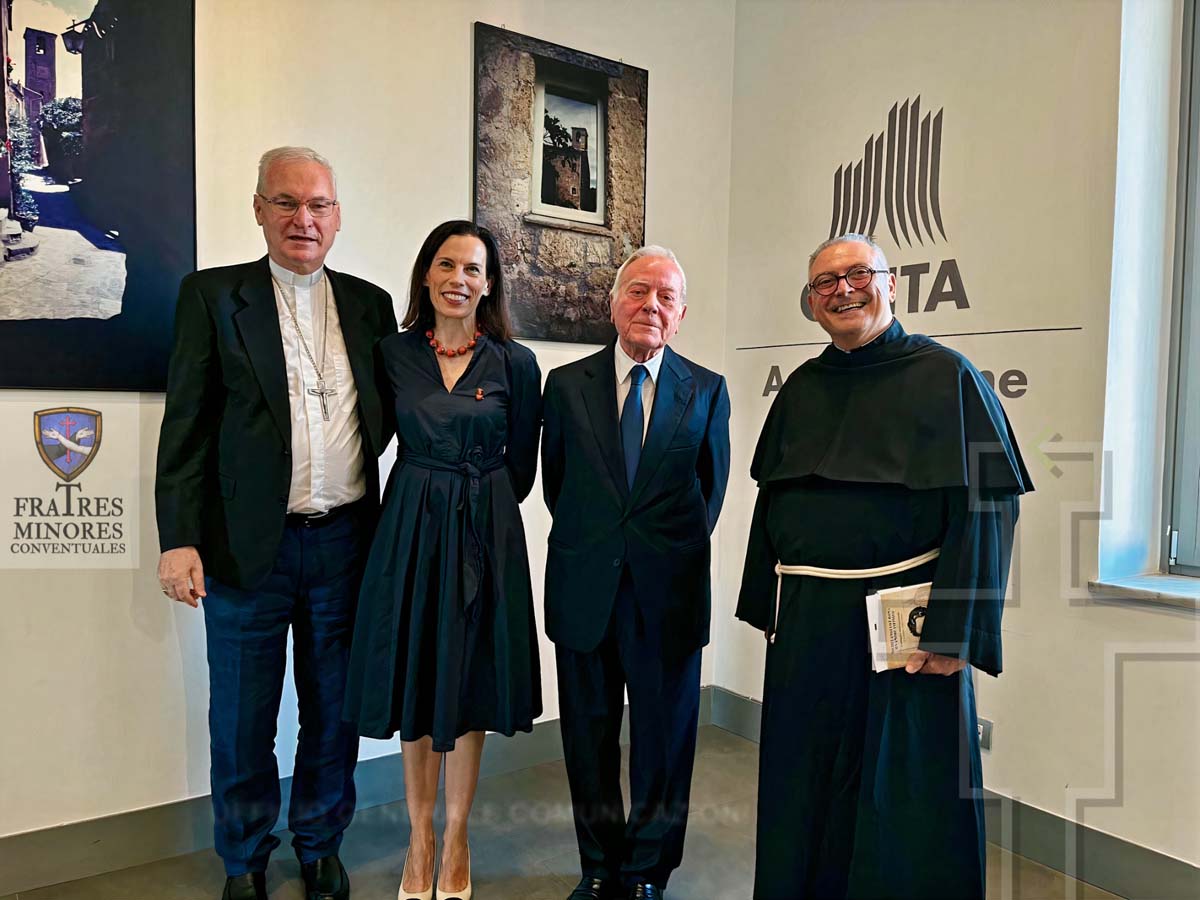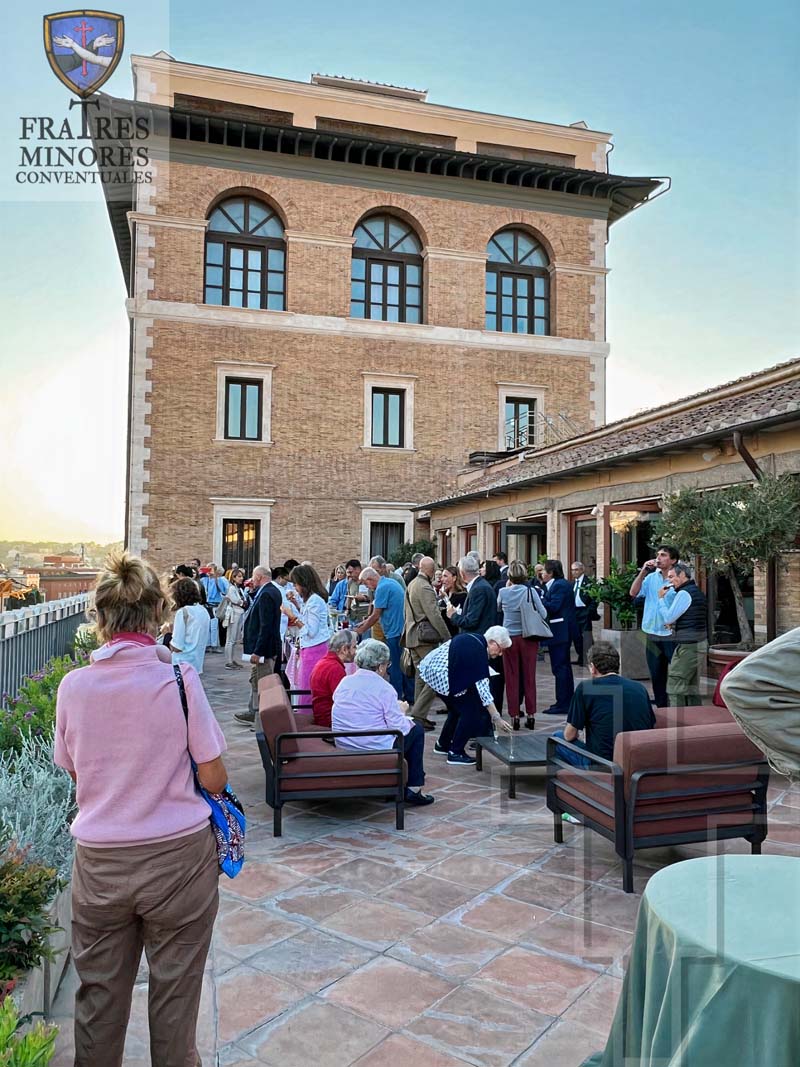



On September 30, 2026, the International Conference “Michelangelo and Rome: An Endless Love” opened in Rome at the headquarters of the Civita Association, in the Palazzo delle Assicurazioni Generali in Piazza Venezia.
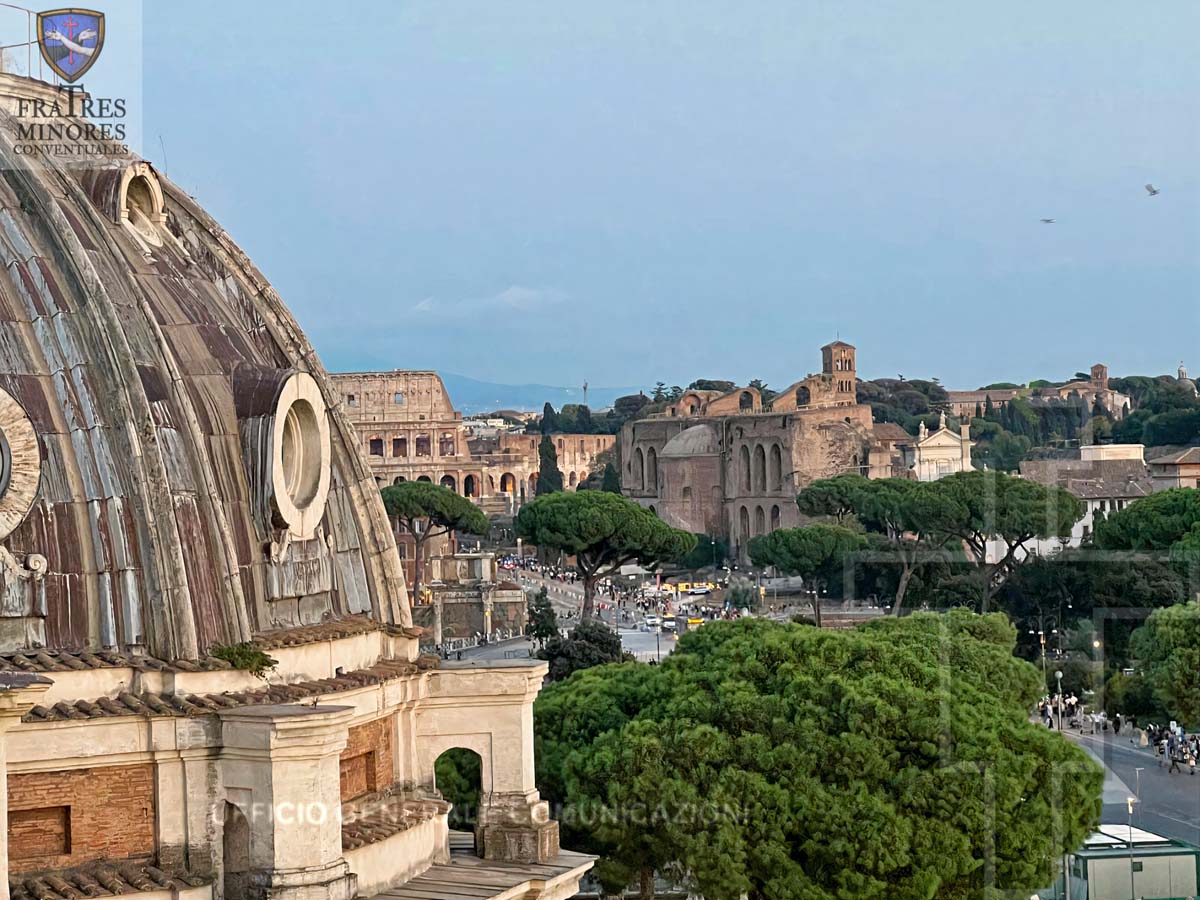
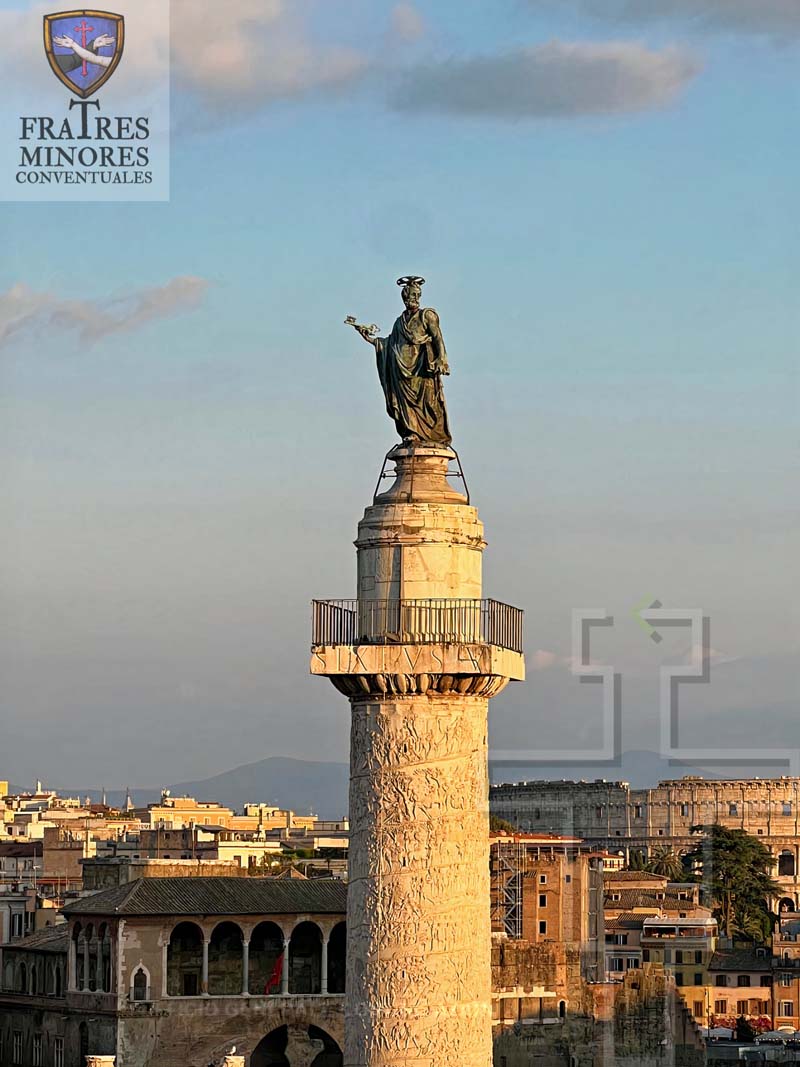
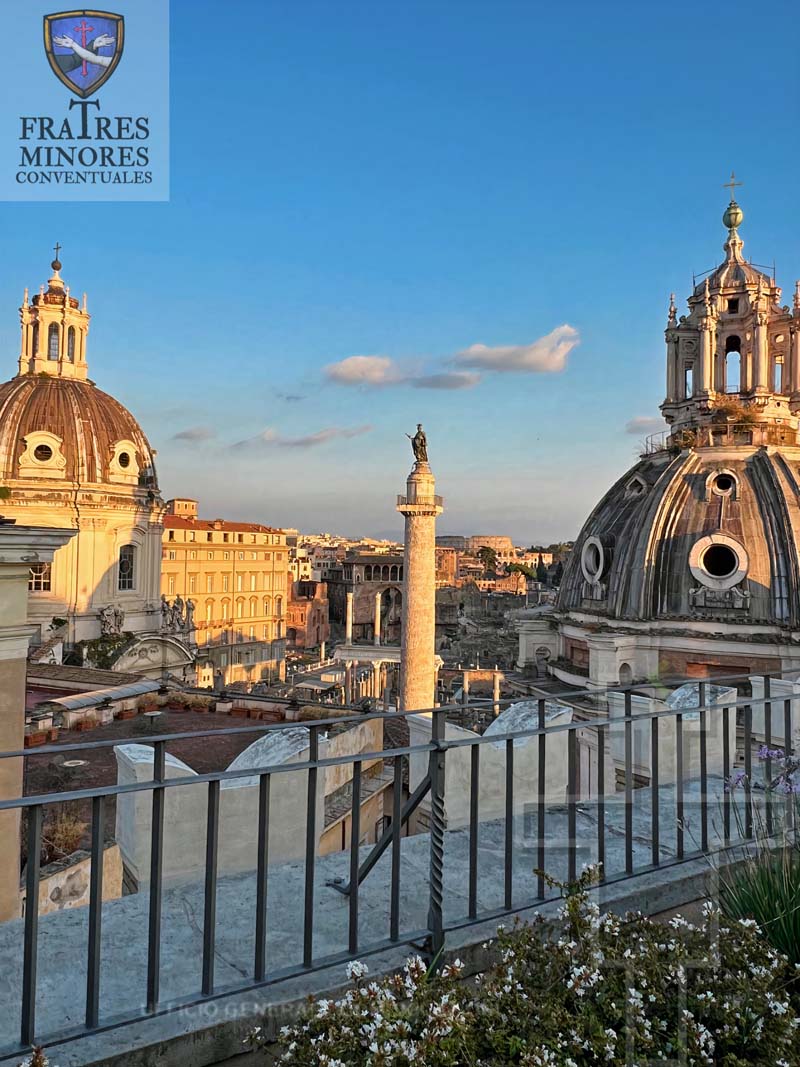
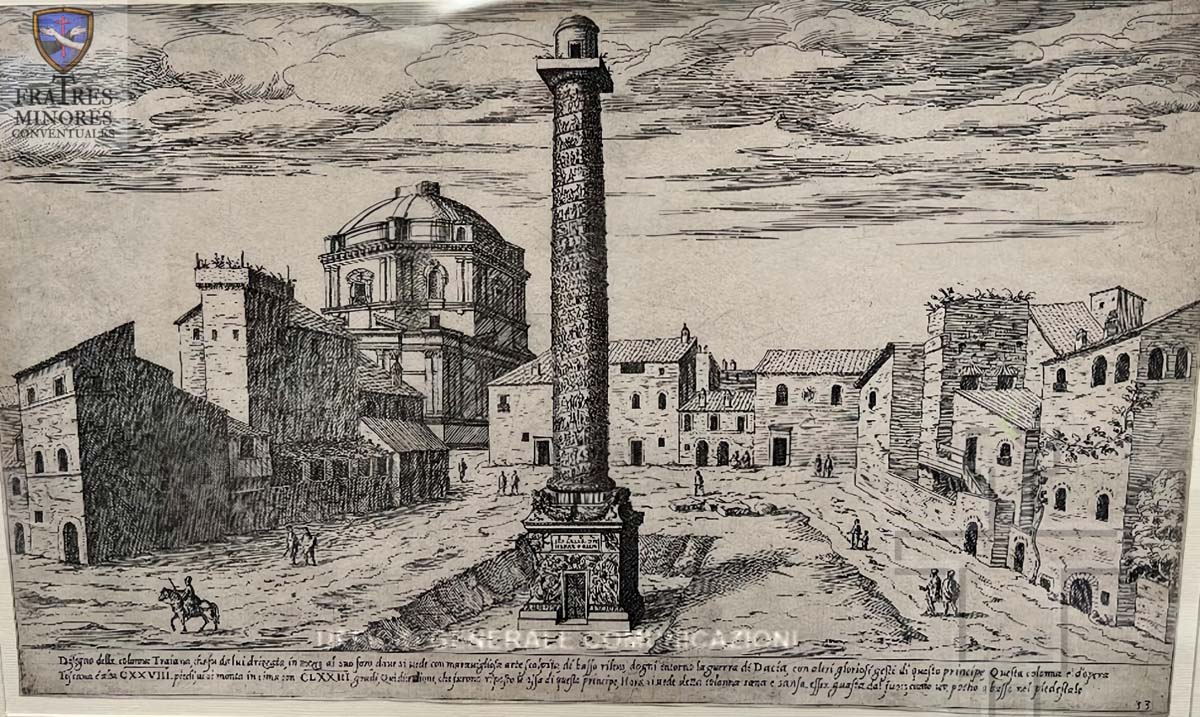
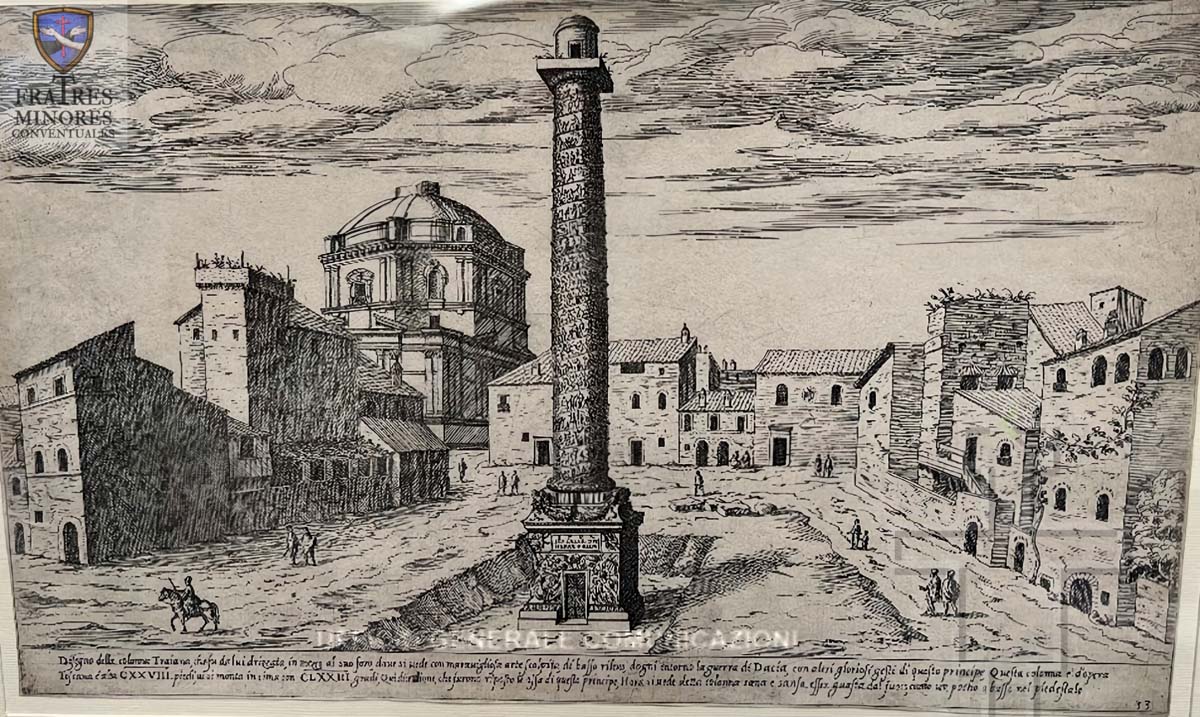
The Association’s president, Dr. Gianni LETTA, welcomed the conference participants at the very site where the home of the “Divine Master” once stood, on Via Macel de’ Corvi, near the Roman Forum and Trajan’s Column. In a passionate address, he praised the organizers of the Conference for this important event, which was made possible by the dedication of independent researcher Valentina SALERNO. Michelangelo’s house also served as his studio, where he lived and worked with his collaborators and workshop assistants. The house was demolished in the late nineteenth century to make way for the redevelopment of the area and the Palazzo delle Assicurazioni Generali, then under construction.
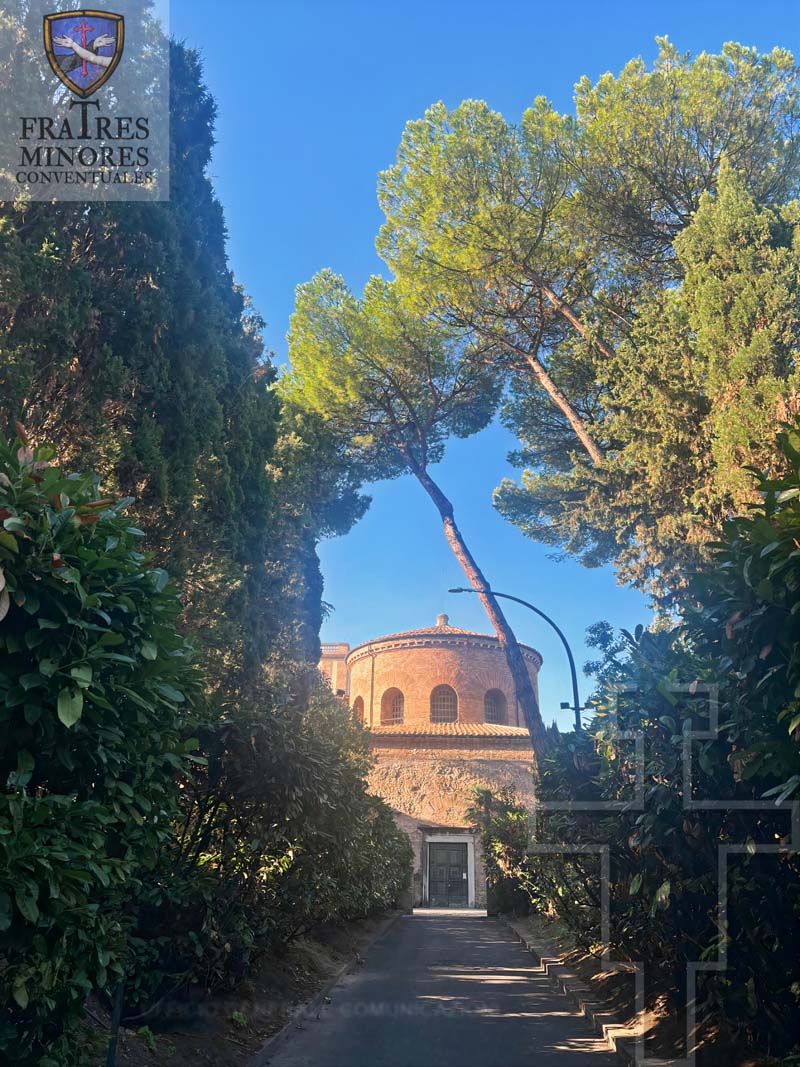
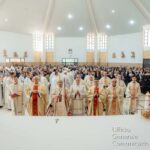
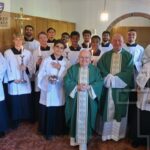
The International Conference was held October 1–2, 2026, in the Monumental Hall of the Complex of St. Agnes Outside the Walls in Rome. The complex is administered by the Canons Regular of the Most Holy Savior. Abbot Emeritus Father Franco BERGAMIN represented his Order at the Conference and delivered the opening remarks.
Following the official greetings, the Conference’s organizer paid tribute to Friar Isidoro Liberale GATTI, OFM Conv., who served as the General Archivist of his Order from 1974 to 1989 and authored the 2014 booklet “Michelangelo Buonarroti: A Parishioner of the Basilica of the Twelve Holy Apostles in Rome.”
The Conference was attended by experts on Michelangelo in various fields: academic, artistic, historical, archival, literary, scientific, and medical.
This prestigious Conference proved important not only for its new discoveries but also for its clarifications and corrections concerning false information about Michelangelo and his presence in Rome.
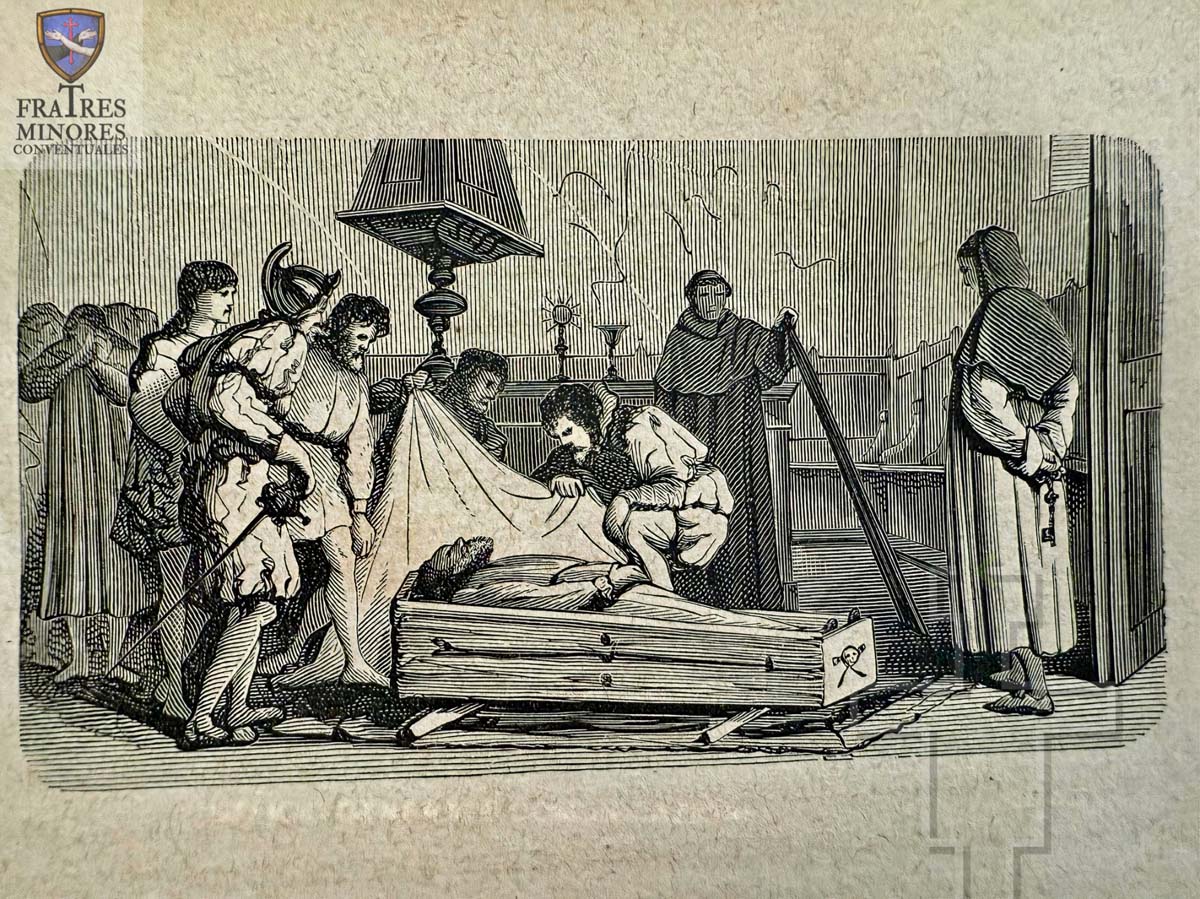
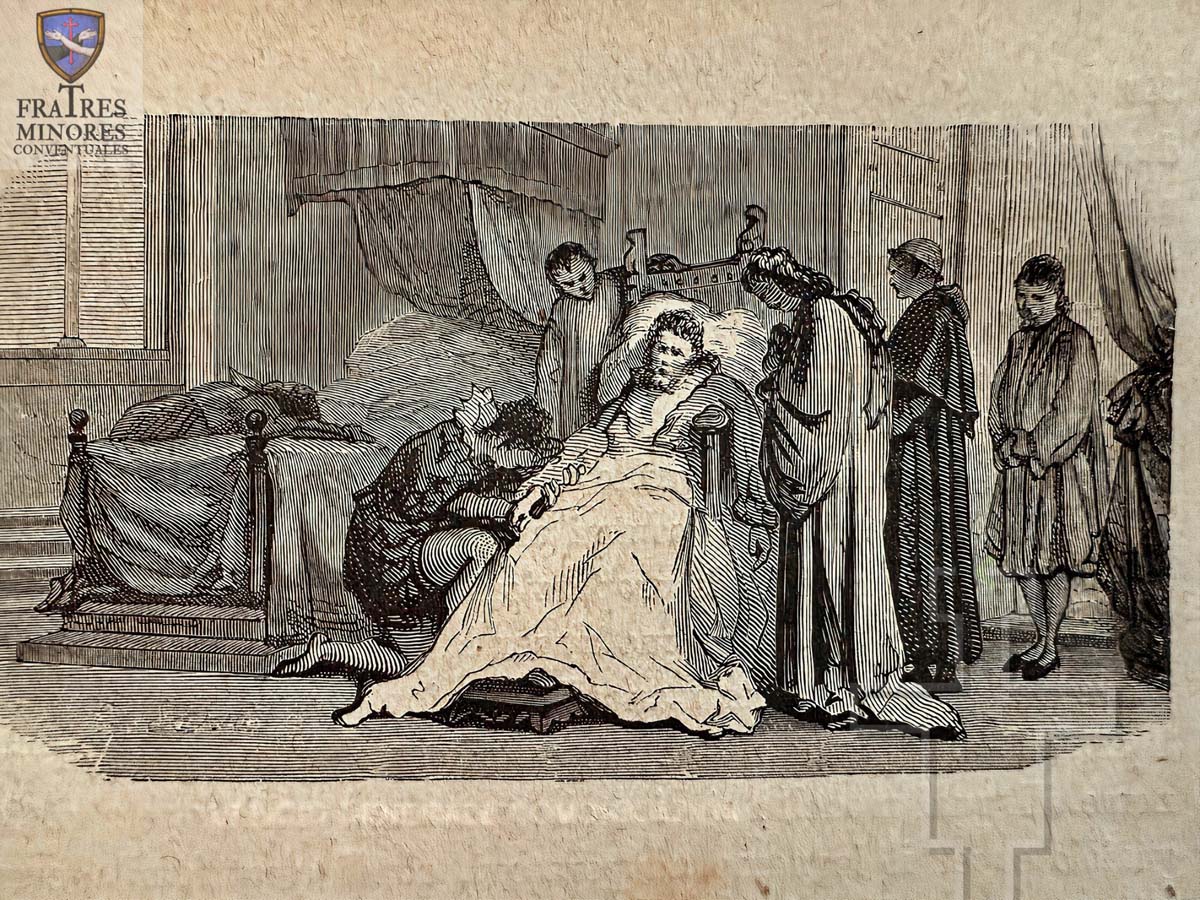
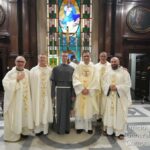
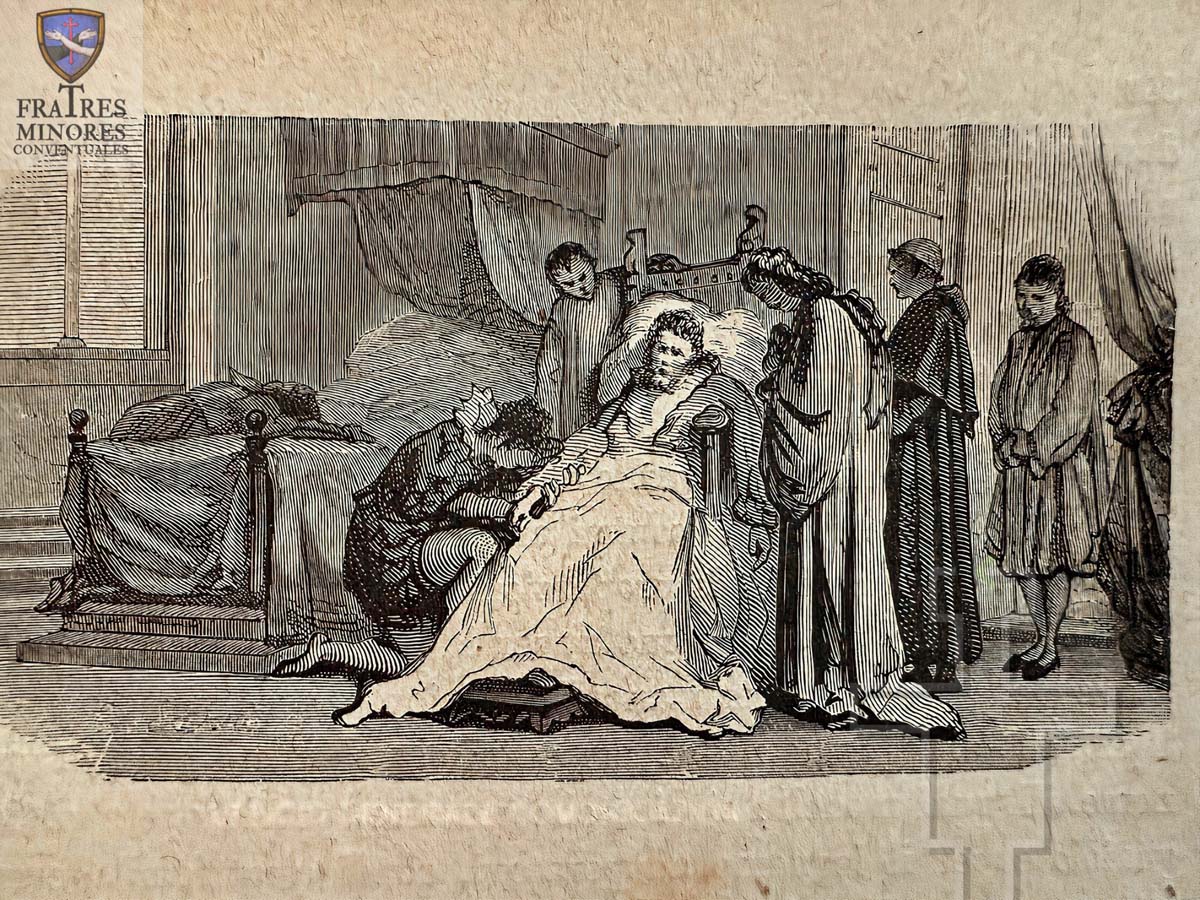
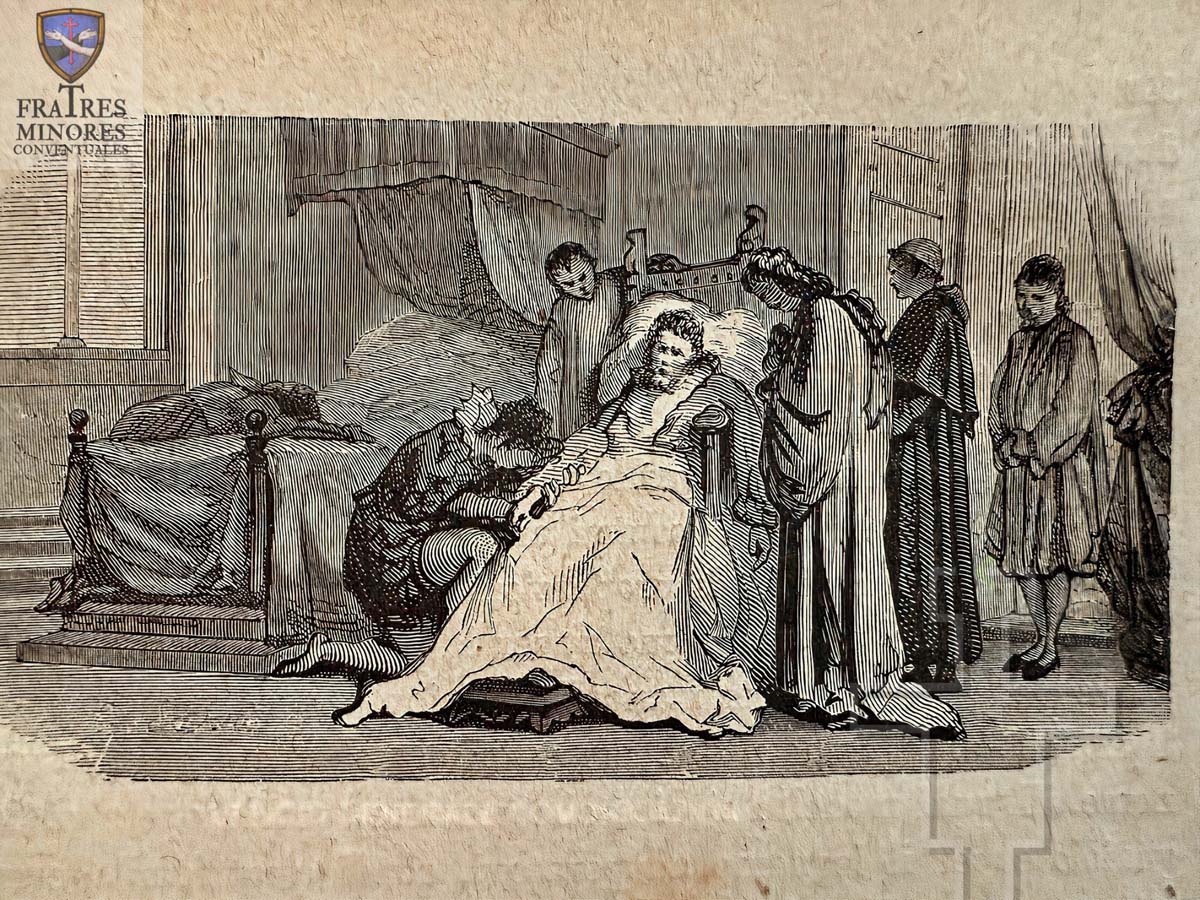
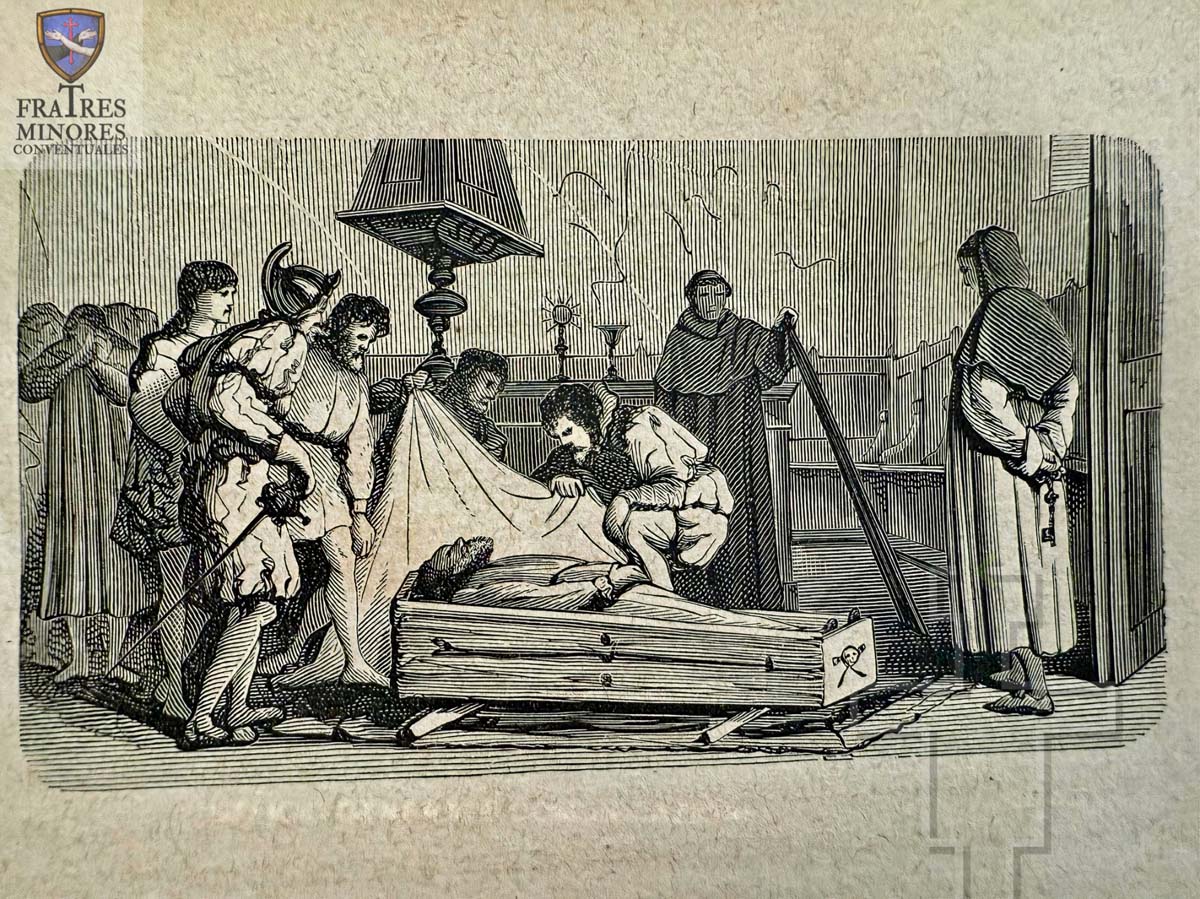
The first speaker at the Conference was our confrere, Friar Domenico CASTIGLIONE, OFM Conv., the General Archivist of the Order. He gave a lecture entitled “Michelangelo and the Basilica of the Twelve Holy Apostles in Rome.” Because Michelangelo lived on Via Macel de’ Corvi, he belonged to the parish of the Basilica of the Twelve Holy Apostles. In the days preceding his death, the friars of the Basilica cared for him, as the archival records attest. Michelangelo died at his home in Rome on February 18, 1564. Members of the Confraternity of St. John of the Florentines, to which he belonged, brought his body to the Basilica of the Twelve Holy Apostles, where the friars guarded it and kept vigil over it. After the initial funeral rites, the friars kept his body in a temporary resting place until it could be transferred to his native Florence, where solemn funeral rites followed and where he was ultimately buried in the Basilica of Santa Croce, which the Conventual Franciscans also served.
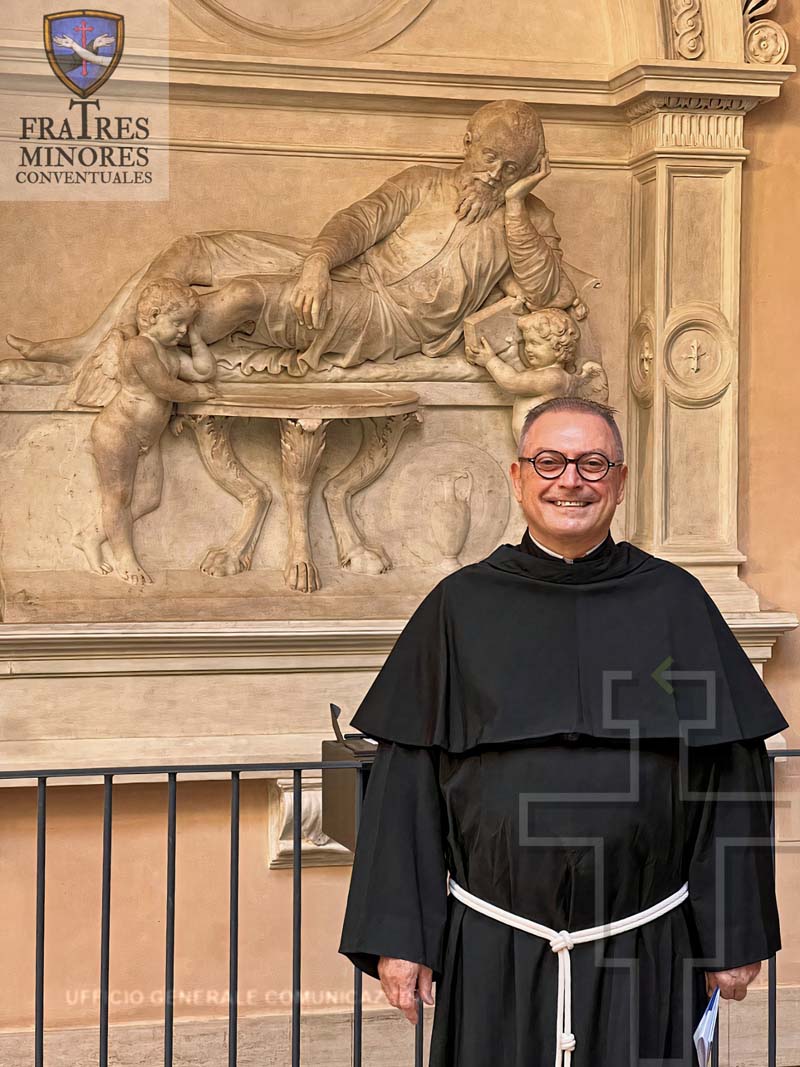
In the second part of his lecture, Friar Domenico focused on a cenotaph [memorial monument] located in the second cloister of the friary, adjacent to the Basilica of the Twelve Holy Apostles. The cenotaph bears an image that, in 1823, was claimed to represent Michelangelo. Friar Domenico dedicated an article to this complex issue, published in 2025, in the scientific journal of the Order of Friars Minor Conventual, “Miscellanea Francescana,” entitled “Il cenotafio conteso” [The Disputed Cenotaph].
Revisiting the events in which Michelangelo played a central role provided an opportunity to honor and express gratitude to the genius who belonged to the parish of the Basilica of the Twelve Holy Apostles, as people had done twenty-four years after his death, thanks to the efforts of the formidable Conventual Franciscan Pope Sixtus V (Friar Felice PERETTI, OFM Conv.). Pope Sixtus V completed the dome of St. Peter’s Basilica in the Vatican, which Michelangelo had designed many years earlier. His three predecessors had lacked the courage to undertake the project because of its complexity and cost.
In 1564, Friar Felice PERETTI, the future Pope Sixtus V, resided at San Salvatore in Onda Church in Rome while serving as Procurator General of the Order and was therefore responsible for the Order’s relations with the Holy See. Because the Minister General, Friar Antonio DE’ SAPIENTI, was absent from Rome, Friar Felice had to inform Pope Pius IV of Michelangelo’s death. He then kept a watchful and exacting eye over Michelangelo’s remains, which were kept at the Basilica and Friary of the Twelve Holy Apostles. This was the same friary where Friar Felice had previously lived as a friar and Superior.
Office of Communications