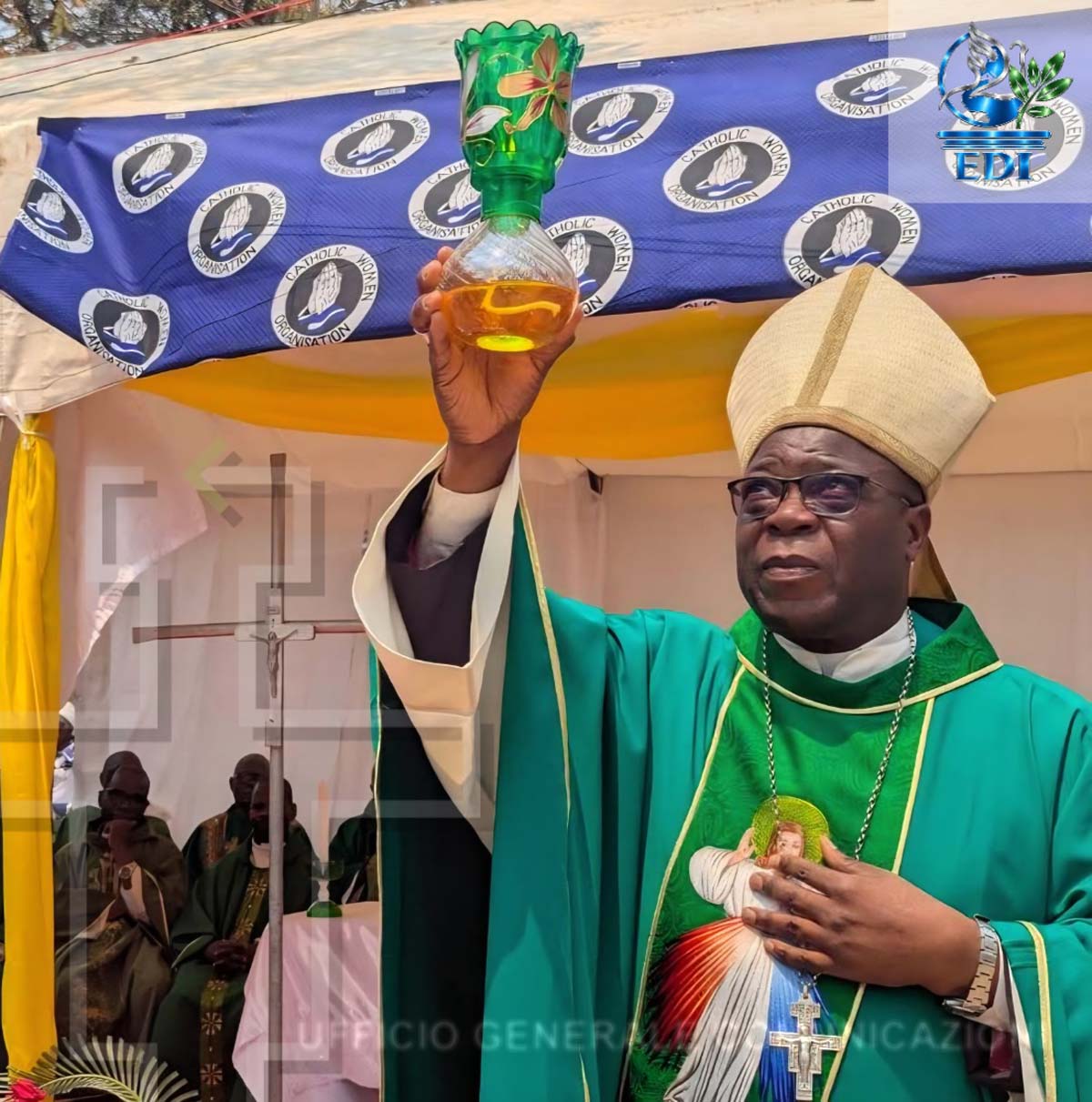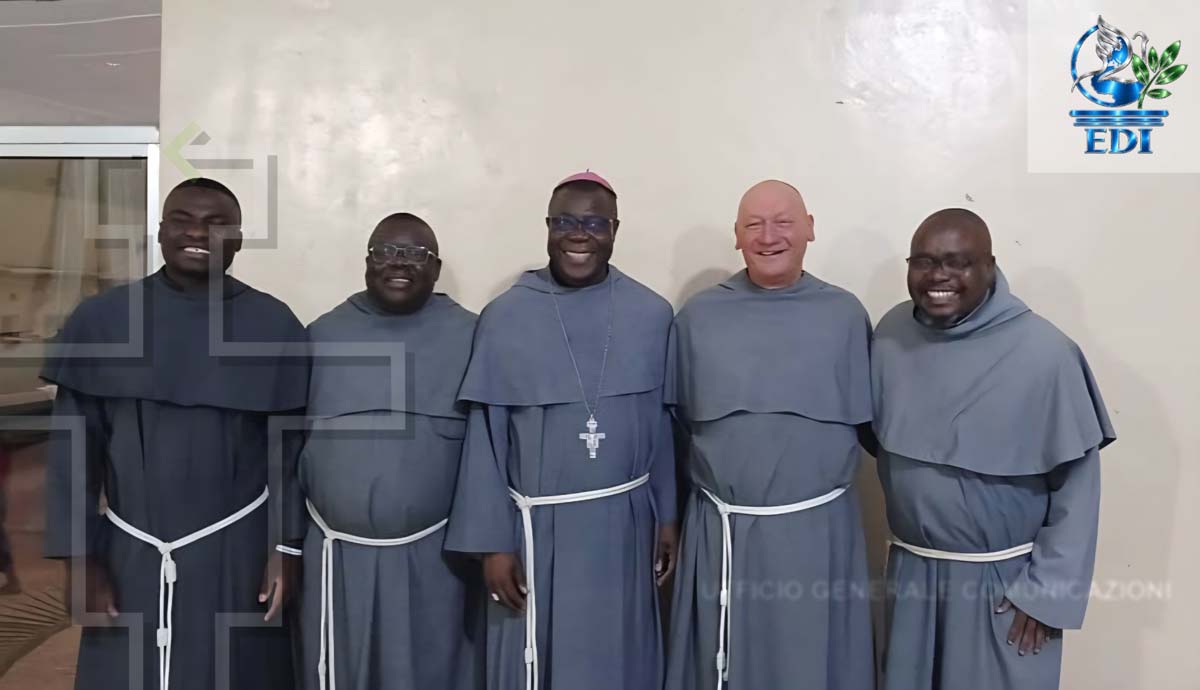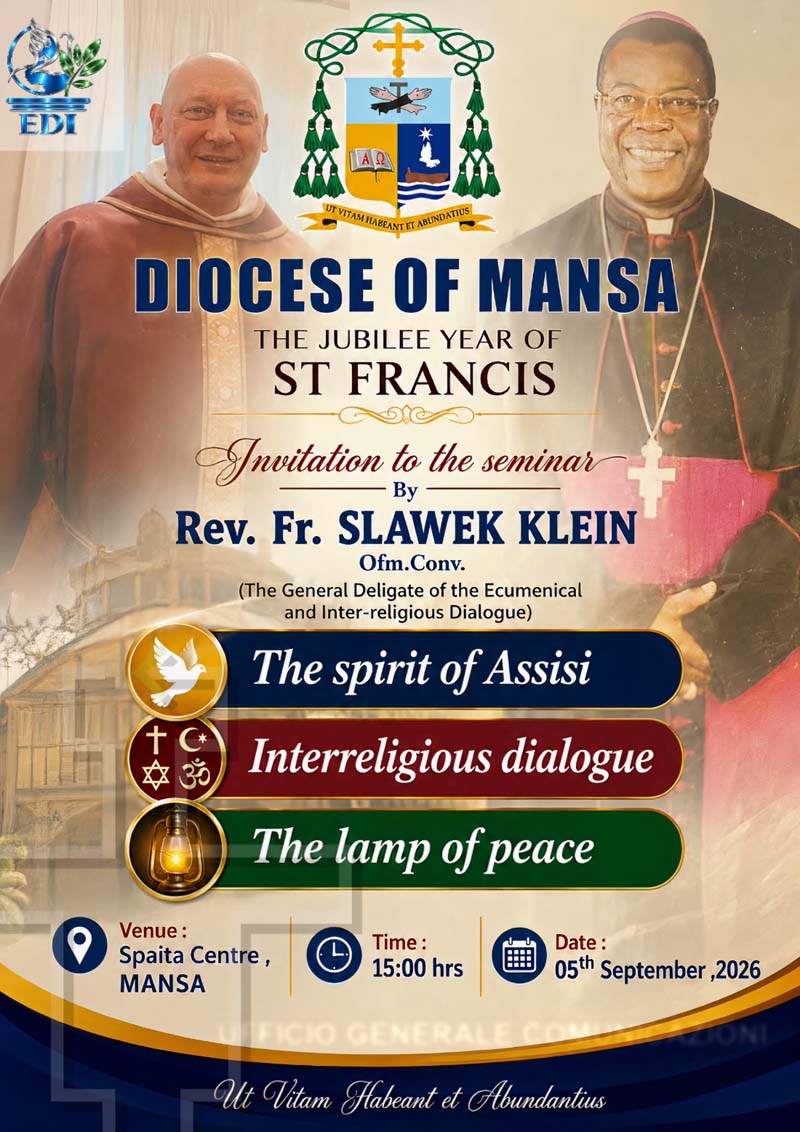



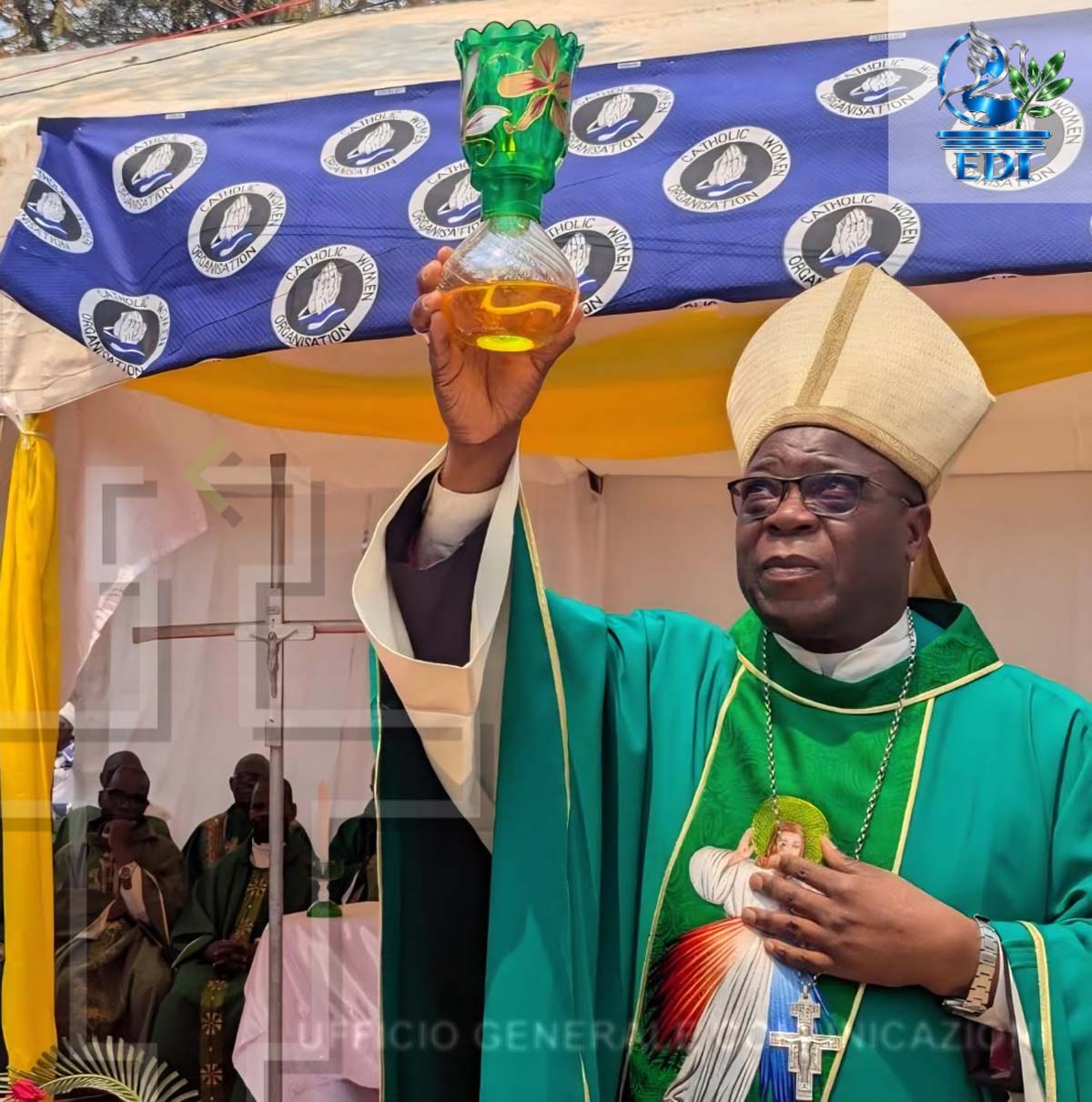
The next leg of the Spirit of Assisi mission took me back to Africa, this time to Zambia, where I stayed from August 31 to September 14, 2026, at the invitation of our confrere, the Most Reverend Patrick CHISANGA, OFM Conv., Bishop of Mansa, Zambia.
Zambia is one of the countries in sub-Saharan Africa where most of the population is Christian, but Christianity there is highly fragmented. Many evangelical-Pentecostal communities exist alongside many groups that call themselves Christian churches but, in reality, display characteristics more typical of sects. This situation is sometimes exploited for political purposes, which does not foster a climate of dialogue.
Zambia is home to numerous peoples and ethnic groups—about seventy in total—including the Bemba, Tonga, Nyanja, Lozi, and Lunda peoples. This diversity contributes to the richness of local traditions and languages. Although the official language is English, each ethnic group preserves its own language and distinctive forms of cultural expression. The major ethnic groups also exert a significant influence on the country’s social and political structure. In this context, a question naturally arises: Can this diversity enrich society—and the Church as well—or does it become merely a source of conflict?
My mission in Zambia developed along two dimensions: the pastoral dimension, which represented the more practical aspect of the mission, and the formative dimension, through conferences presented to various ecclesial and religious groups and to young people in schools. Hence the pairing suggested in the title: theory and practice.
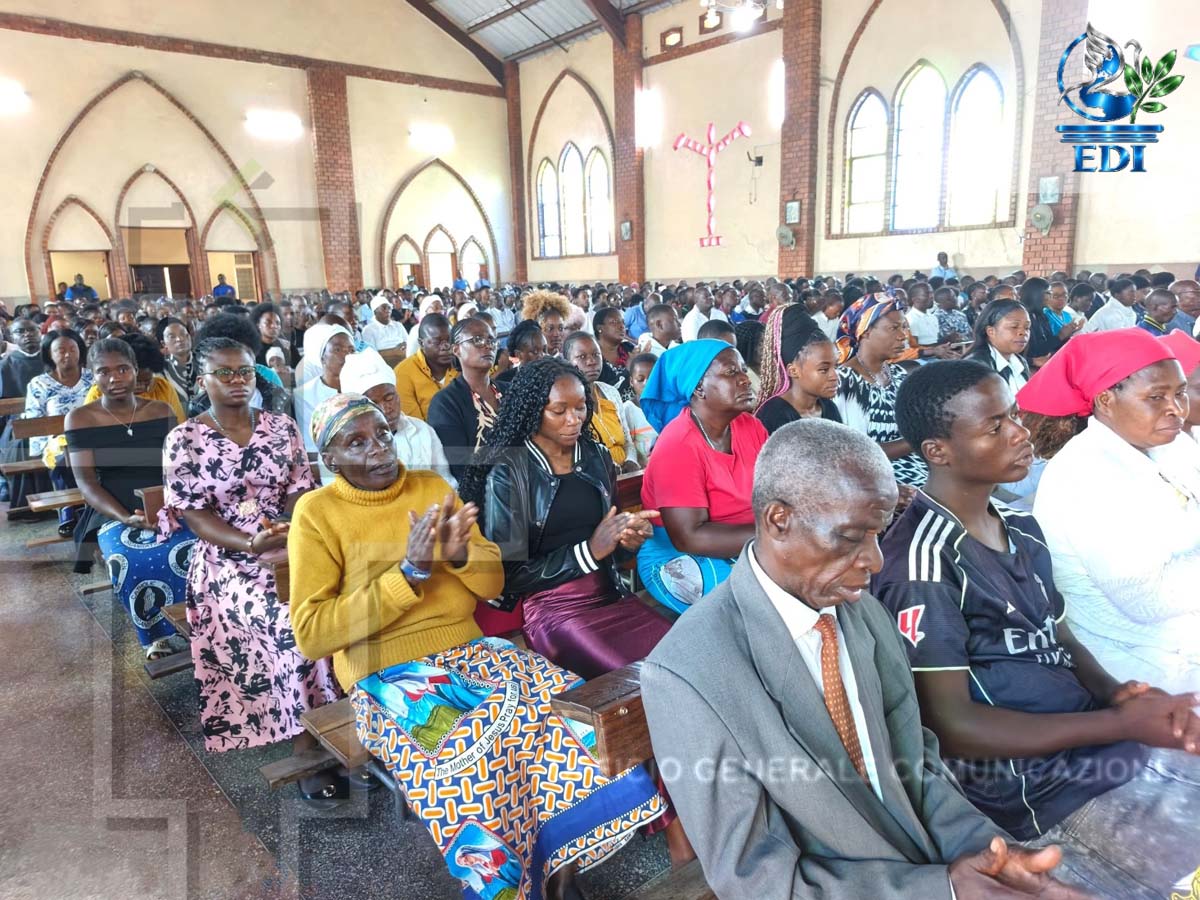
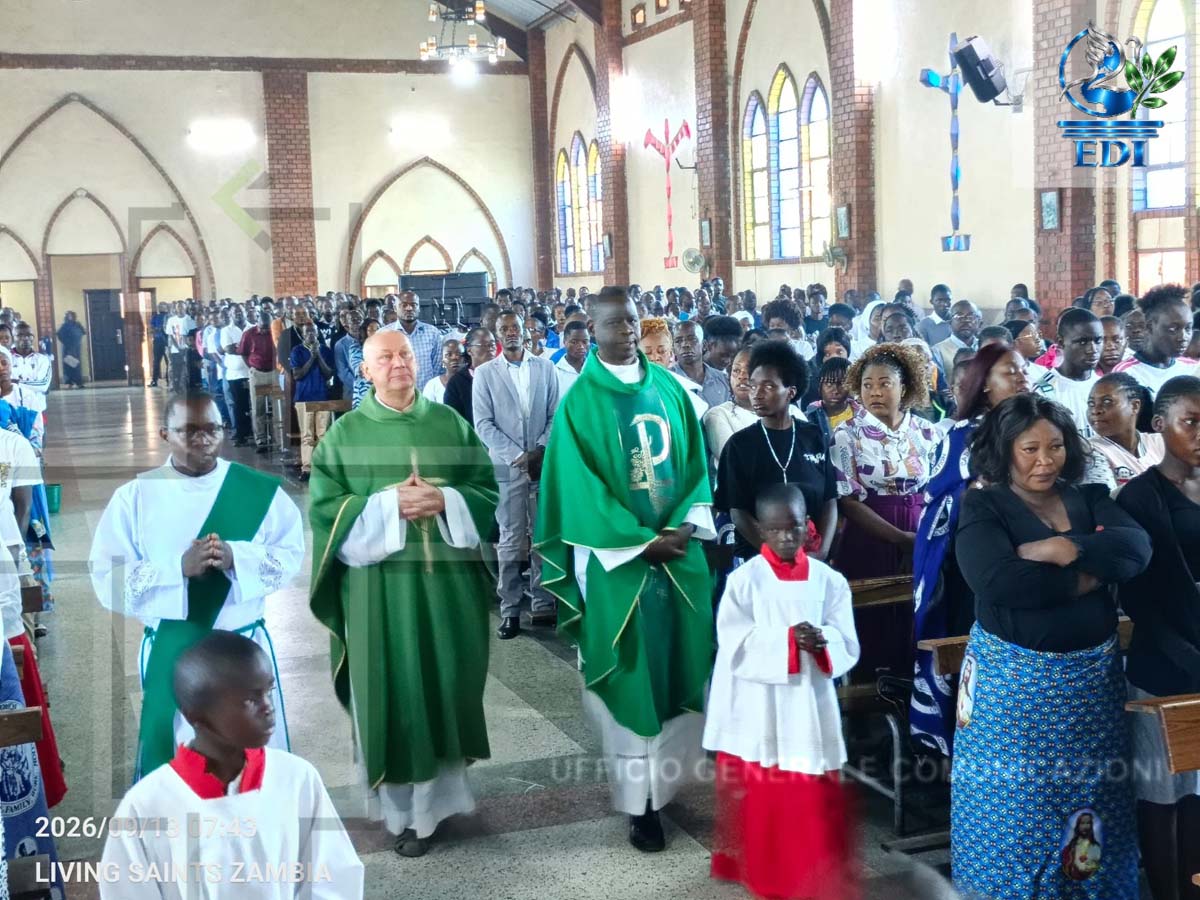
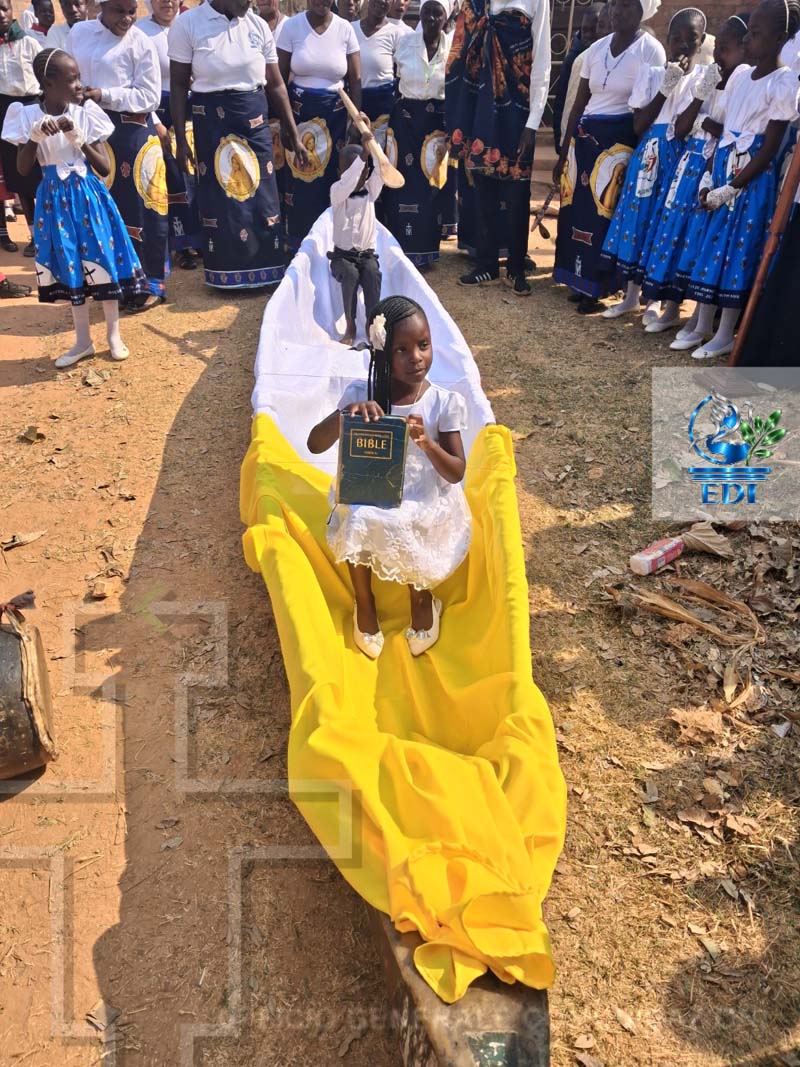
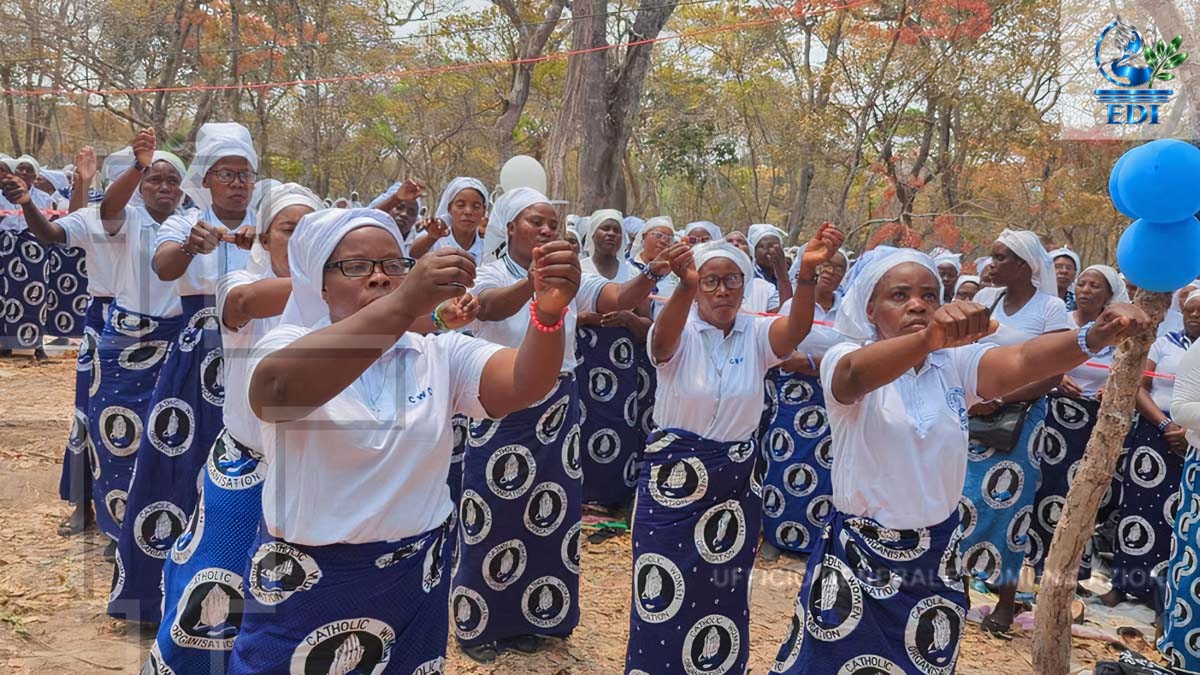
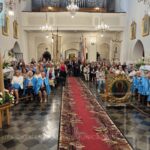
My visit to the Diocese of Mansa focused primarily on the pastoral dimension, with meetings, discussions, and liturgical celebrations. In particular, my homilies during the Masses gave me a chance to talk to adults and young people about St. Francis. Naturally, the Light of Assisi was lit in Mansa as well. At the diocesan pastoral center, I gave two talks to the clergy and consecrated persons about the Spirit of Assisi.
I offer my heartfelt thanks to Bishop CHISANGA for the extraordinarily warm welcome I received in Mansa. I also thank my confreres working there: Friar Patrick MUTALE, Guardian; Friar Andrew Chewe MUKOSA, Pastor; Friar James SYAMUCHIMBA; and Friar Clement MATAKA, who was completing his pastoral internship at St. Francis Parish Church in Mansa.
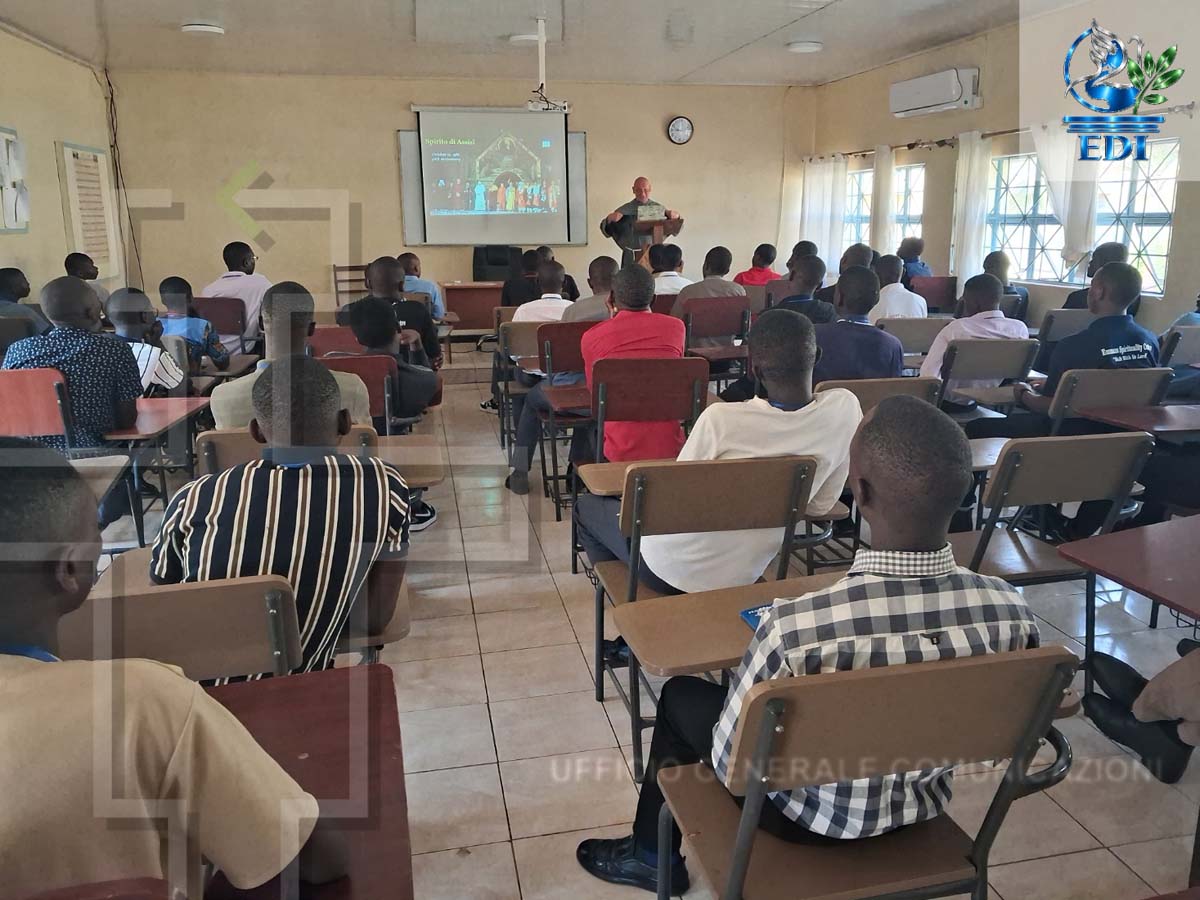
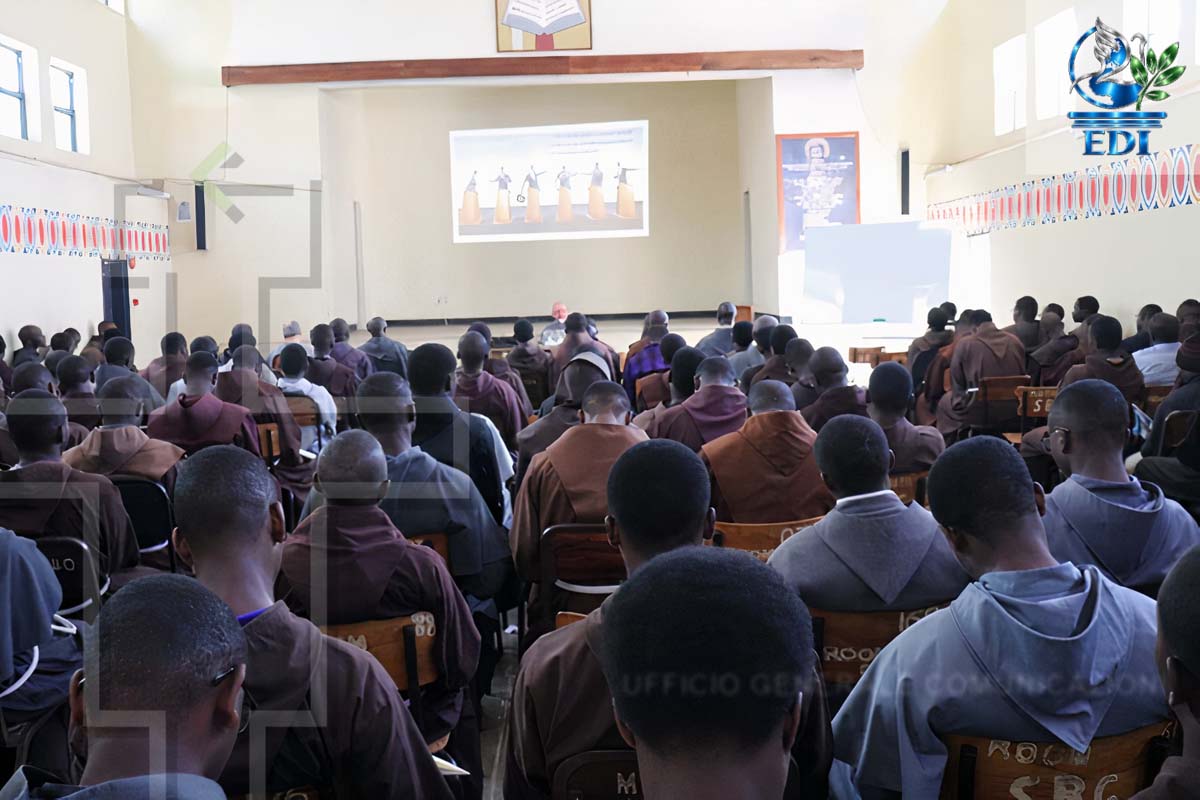
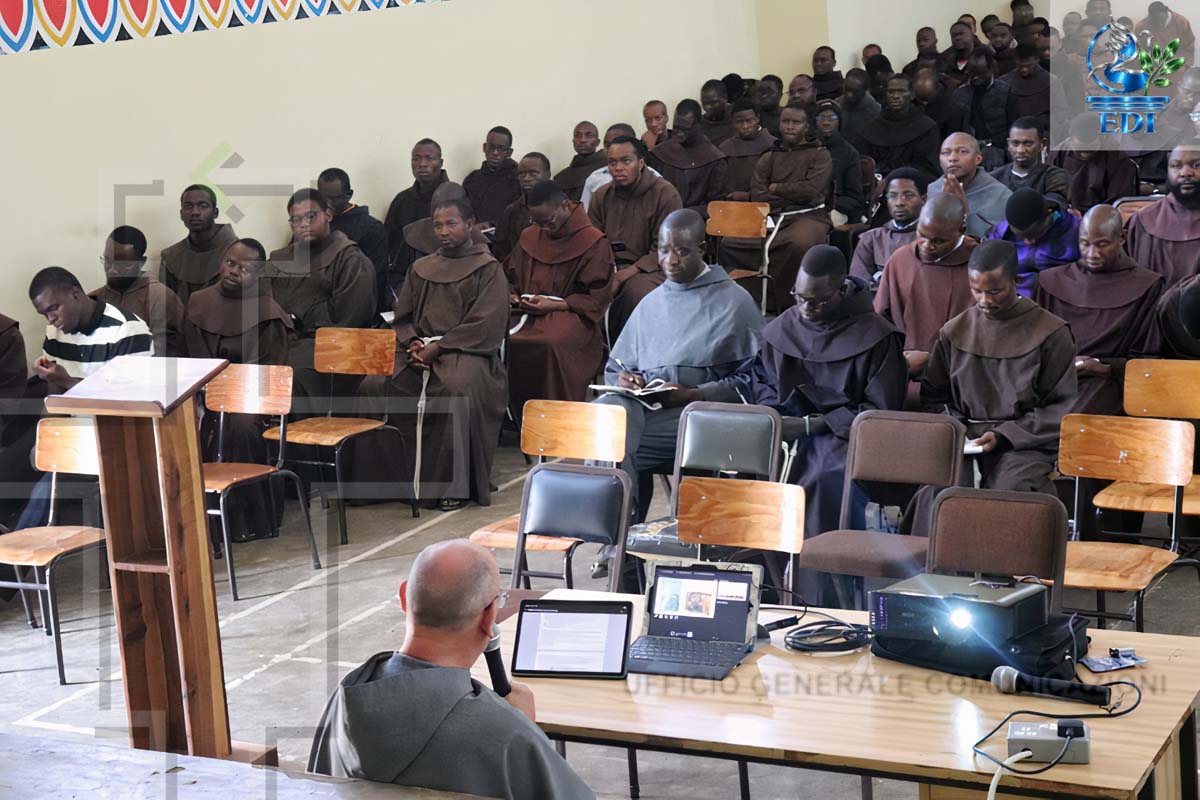
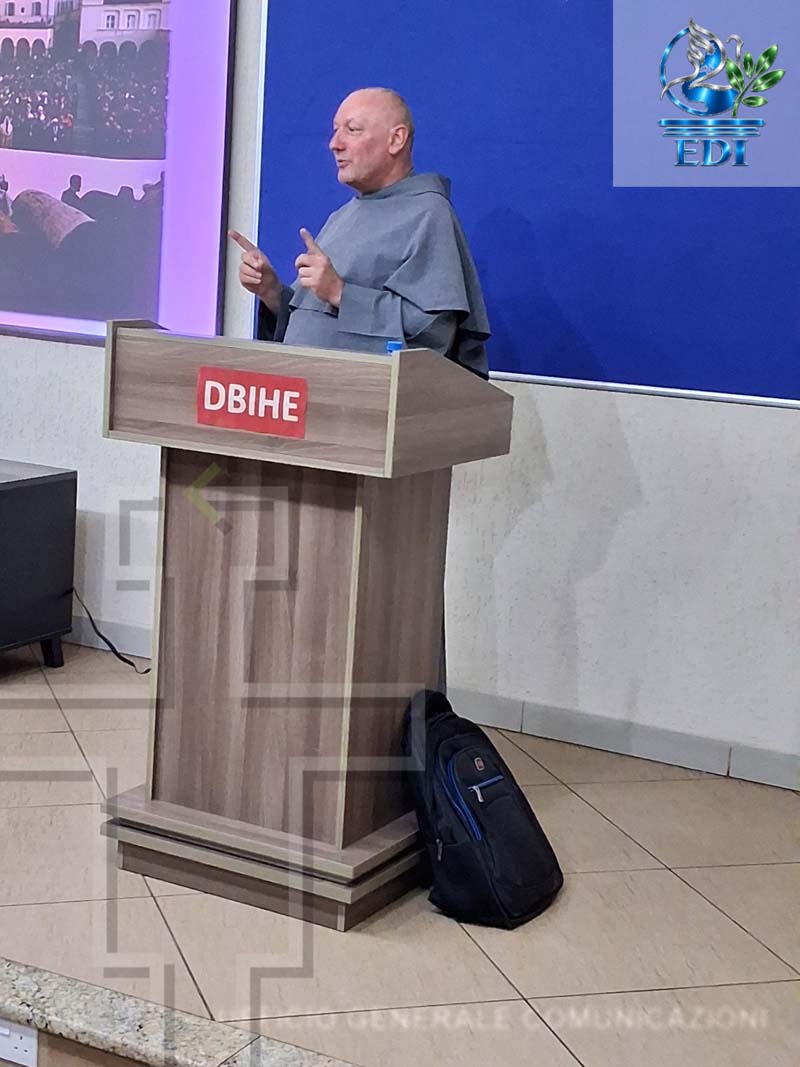
The formation aspect took place primarily in Lusaka, where I gave several lectures to clerical students and religious sisters, exploring the theme of the Spirit of Assisi and ecumenical and interreligious dialogue from a Franciscan perspective. The lectures took place at St. Bonaventure University, the Salesian Philosophy College, the Catholic Inter-Diocesan Emmaus Spirituality Centre, and the convent of the Little Servants of Mary Immaculate in Kasisi. I thank Friar Alfighio TUNHA, OFM, Rector of St. Bonaventure University, and Friar John LESA, OFM Conv., the Guardian of our community there, for making the lectures to the Franciscan clerical students possible.
During these events, a certain gap between theory and practice became apparent. Reflections on ecumenical and interreligious dialogue were sometimes met with comments like: “We don’t have any Hindus, Buddhists, or Muslims here” and “Those others aren’t ‘real.’” I must admit that this surprised me: just a few hundred meters from our Franciscan college, another mosque is under construction. Moreover, I counted a total of five mosques in Lusaka. Furthermore, the many chapels and buildings displaying signs or plaques identifying different religious denominations clearly testify to how numerous and diverse these communities are.
I think the problem lies elsewhere. For various reasons, mistrust, a lack of mutual acceptance, and even aggression often characterize relations among religious groups. News of terrorist attacks carried out by Islamic extremists, for example, in Nigeria, inevitably ends up fueling these prejudices.
This is precisely what formation in seminaries should address—based on the Church’s documents, the teaching and actions of recent popes, as well as the work of the various commissions and secretariats for dialogue, which are also very active within religious congregations.
Of course, I knew that I was speaking primarily to philosophy students. For this reason, during the lectures, I referred to the experience of St. Francis of Assisi in the context of dialogue and conversion. I mentioned the witness of recent popes and the idea of the Spirit of Assisi itself. In the seminaries I visited, which belong to various religious congregations, I got the impression that the young men in formation see themselves more as students than as clerical students and that they sometimes place study and the acquisition of knowledge ahead of formation understood as the holistic journey of the person. Interestingly, one of our older Zambian friars also drew attention to this issue.
I was nevertheless very pleased by the high turnout at the lectures. Among groups this large, there will certainly be people willing to draw inspiration from this idea. I am aware that patience plays a fundamental role in this kind of mission.
The words I heard as we said our goodbyes brought me tremendous joy: “See you soon!” The Light of Assisi continues to spread ever wider throughout the world.
Friar Sławomir KLEIN
General Delegate for Ecumenism and Interreligious Dialogue (EDI)