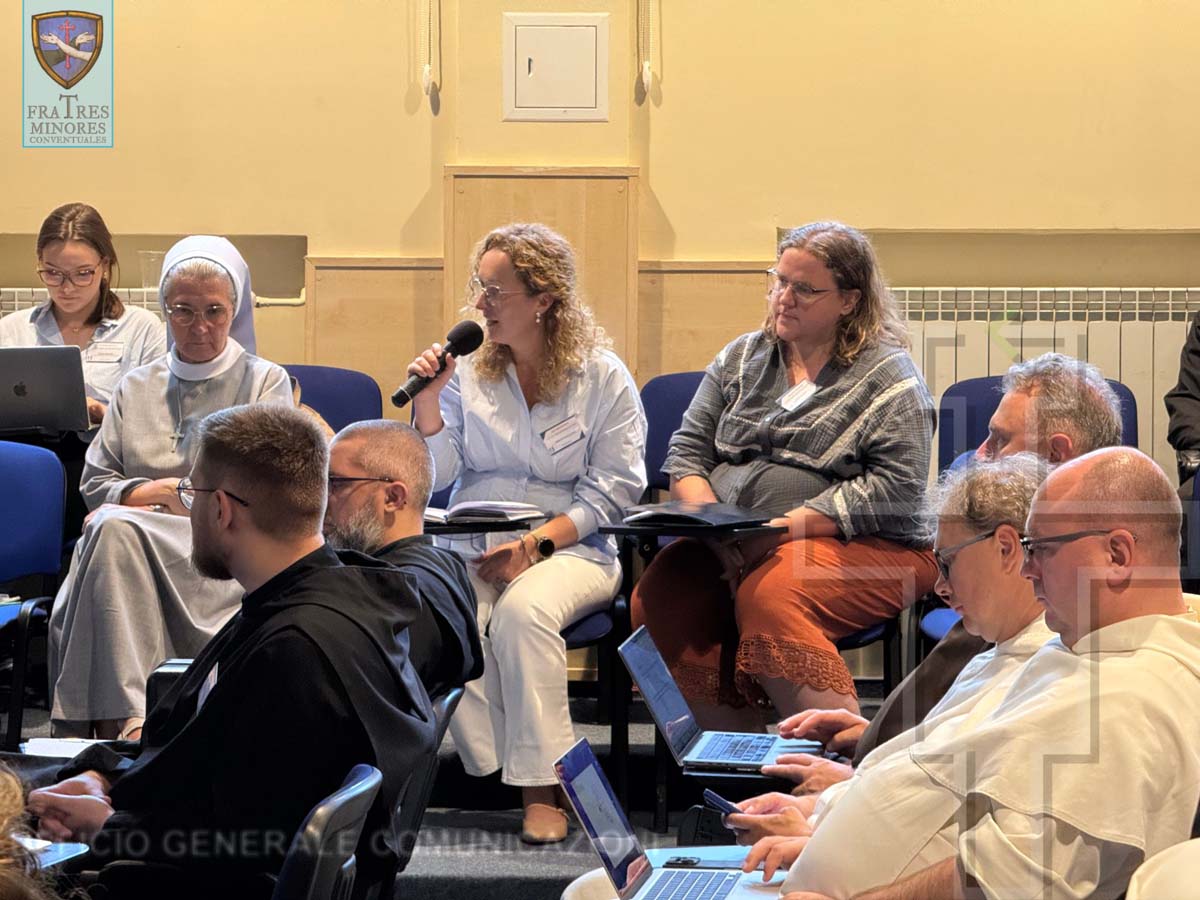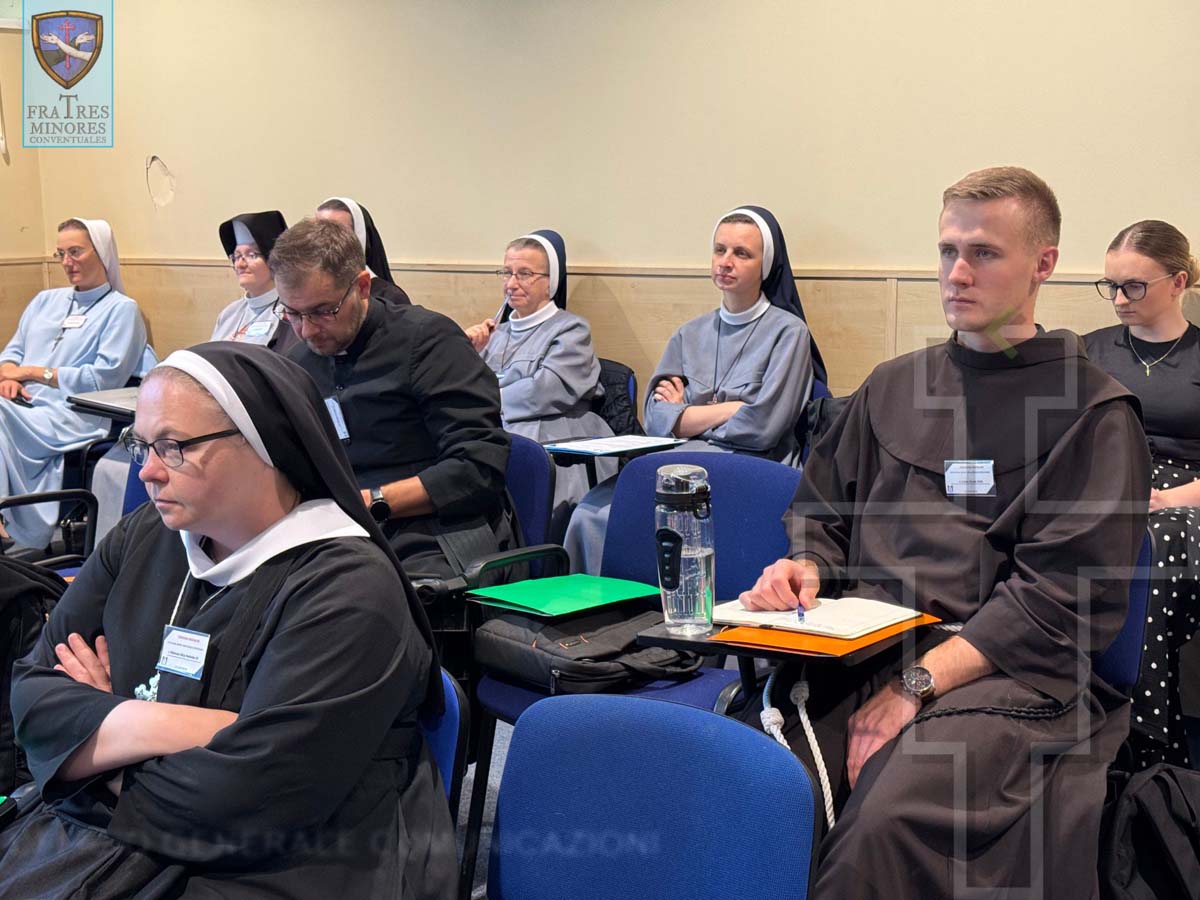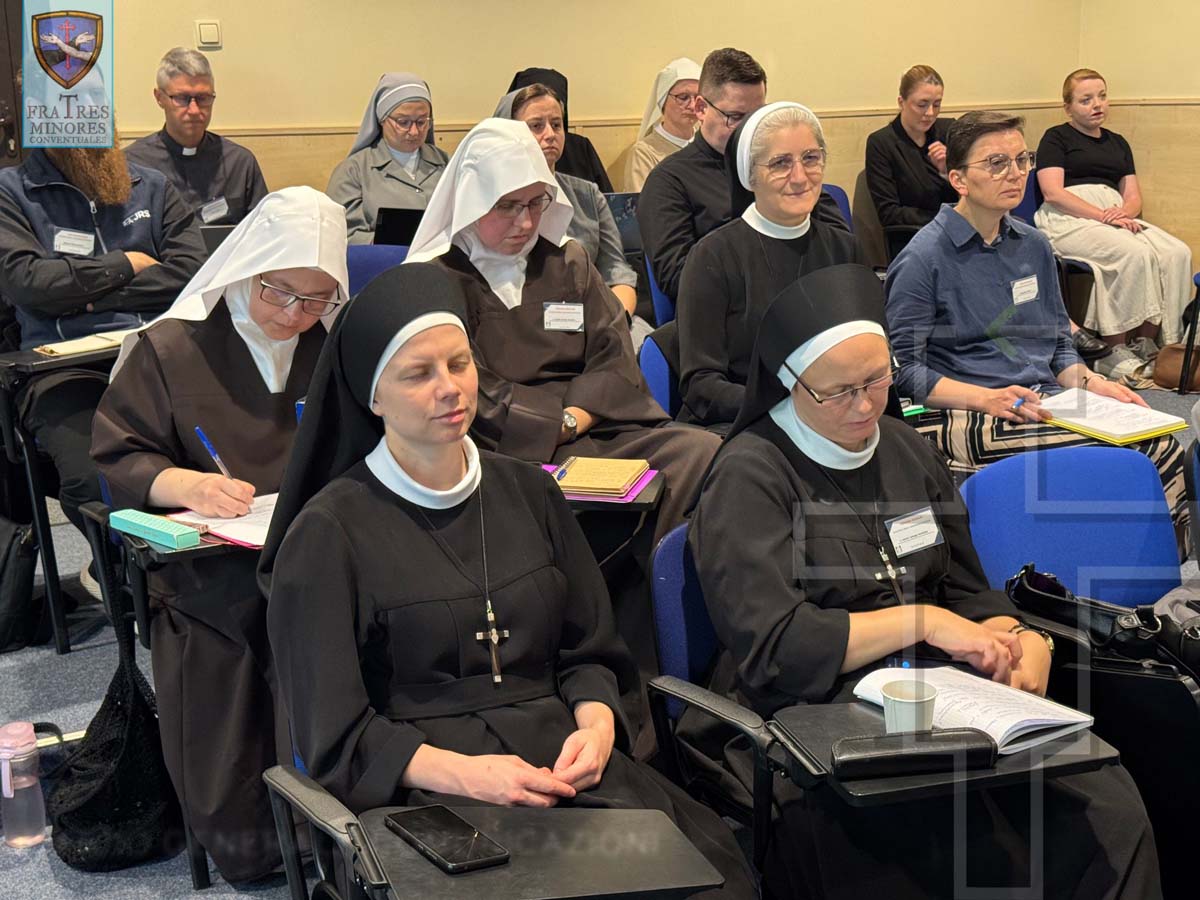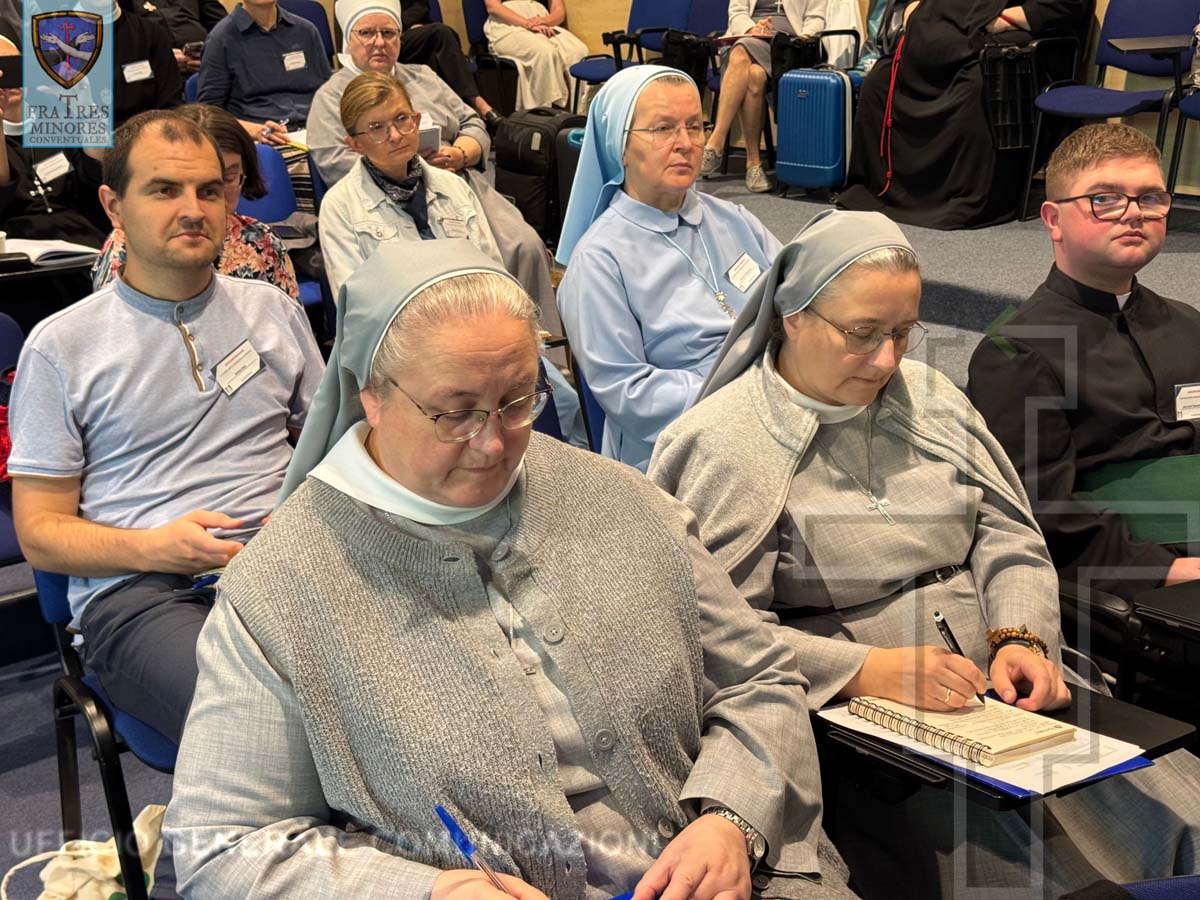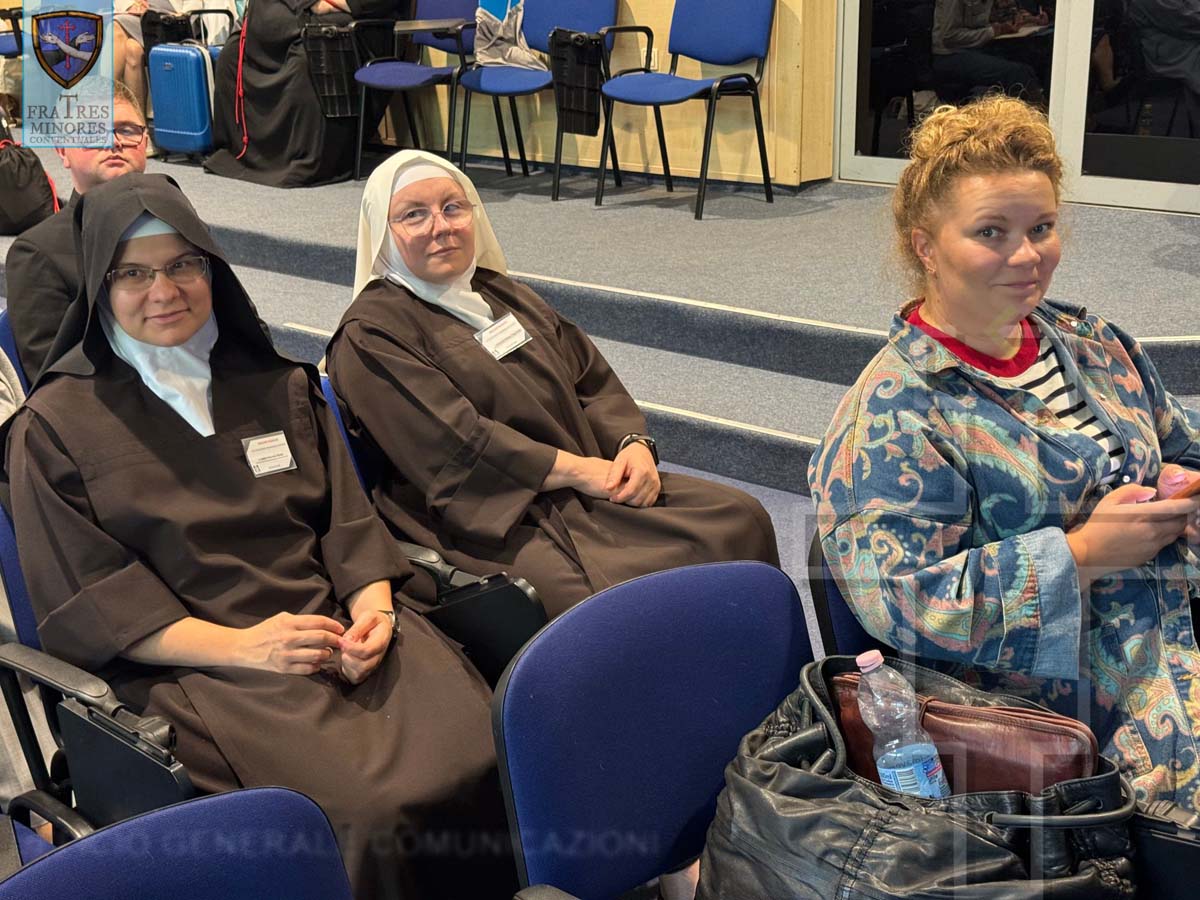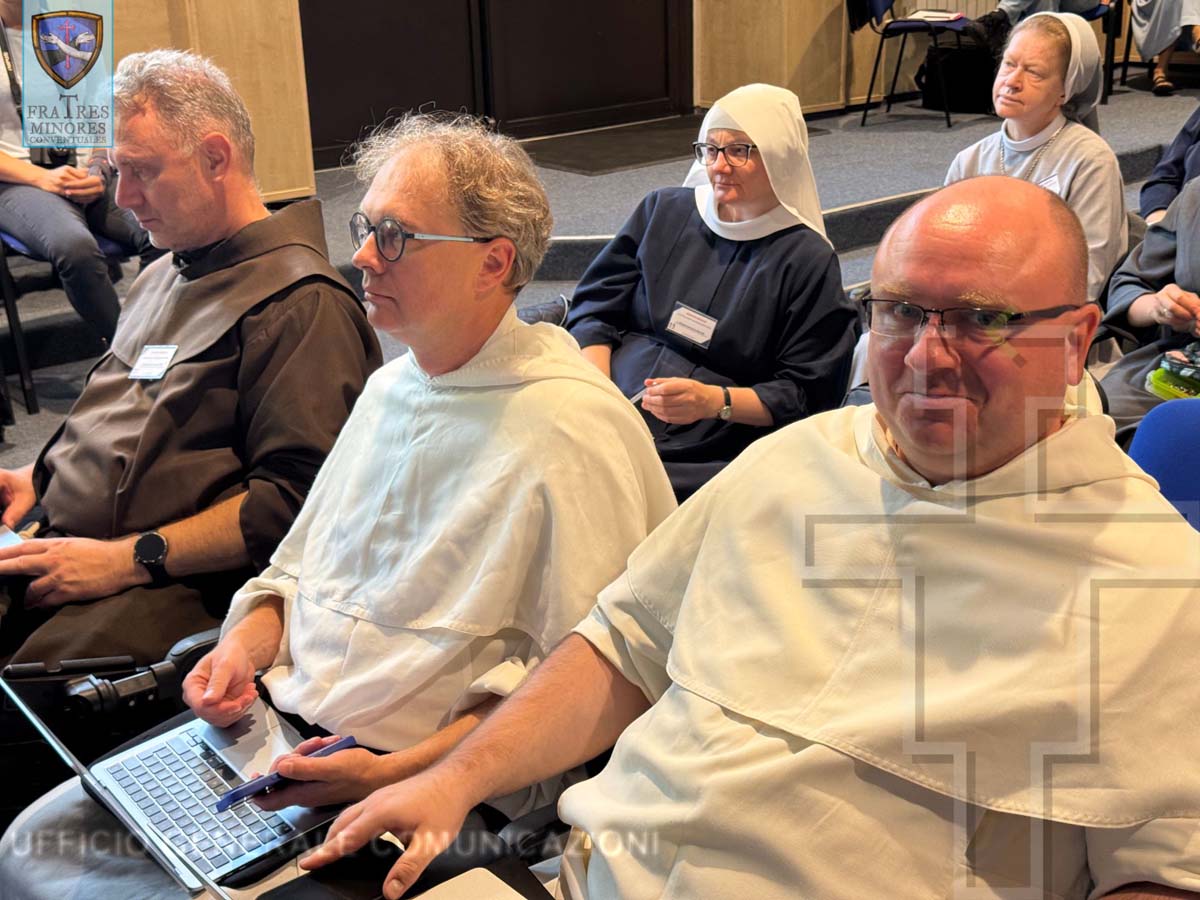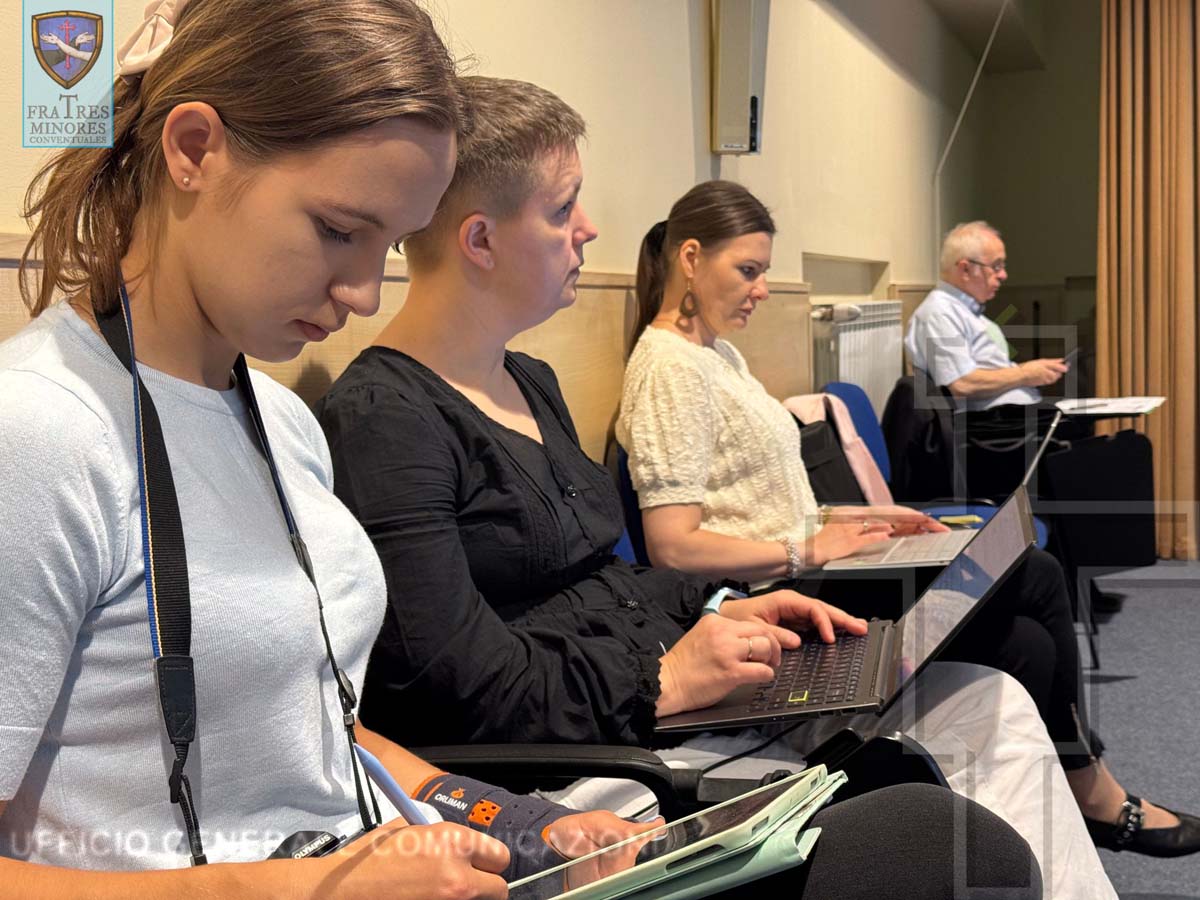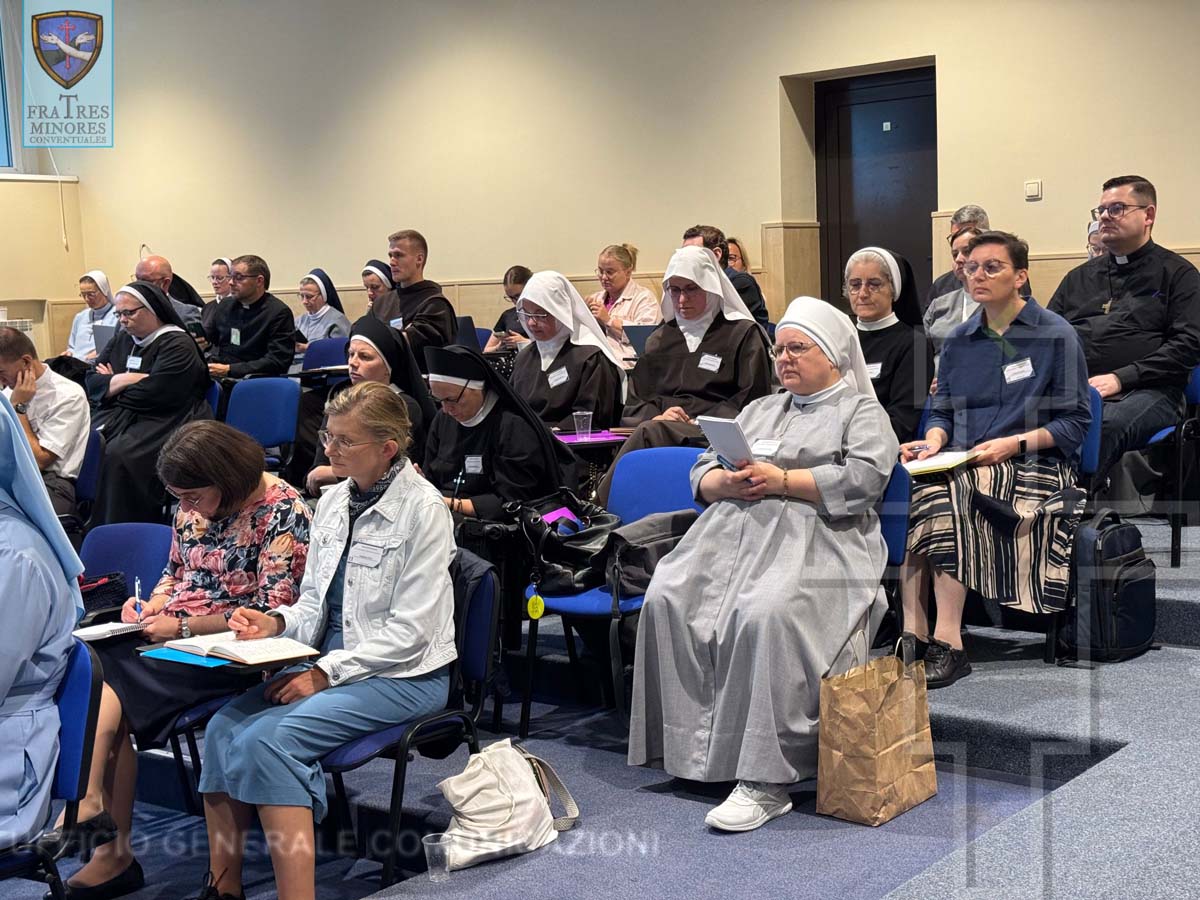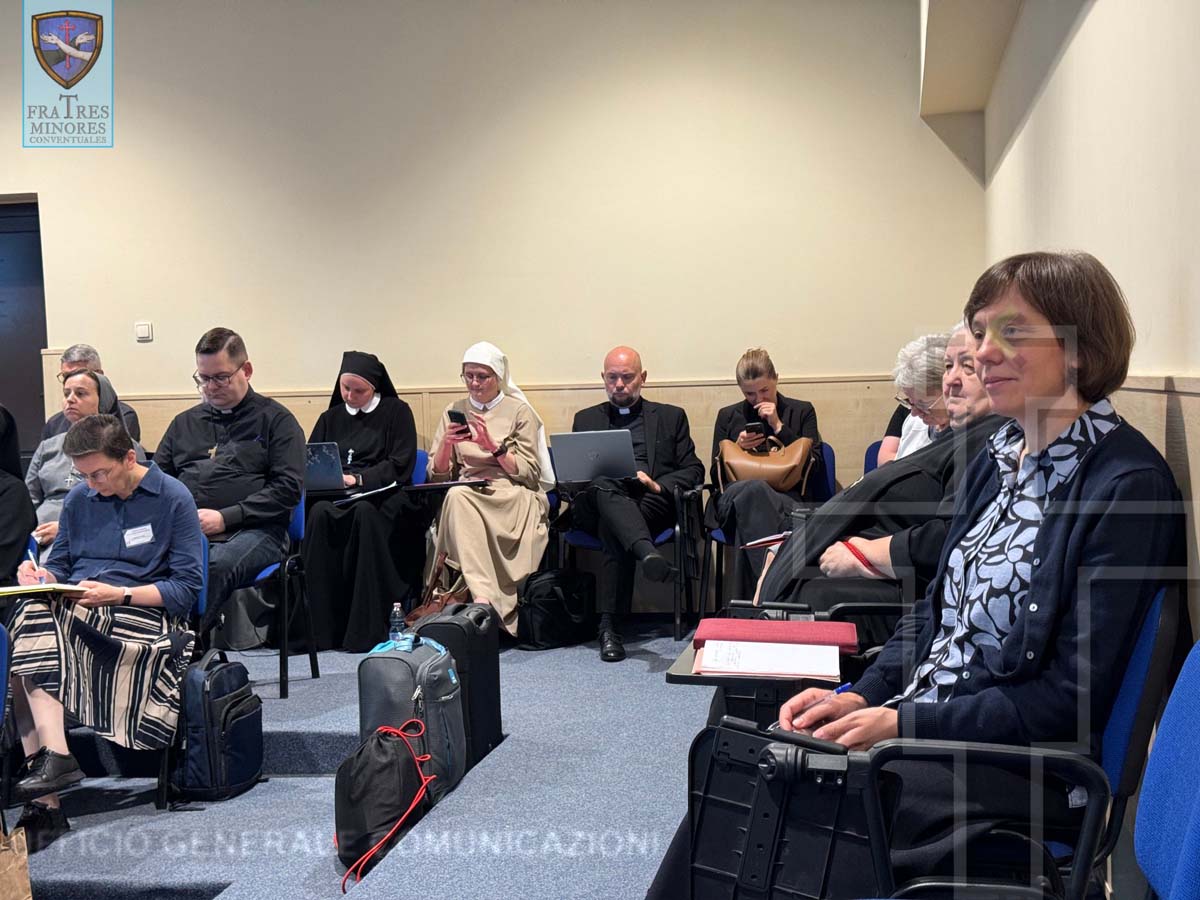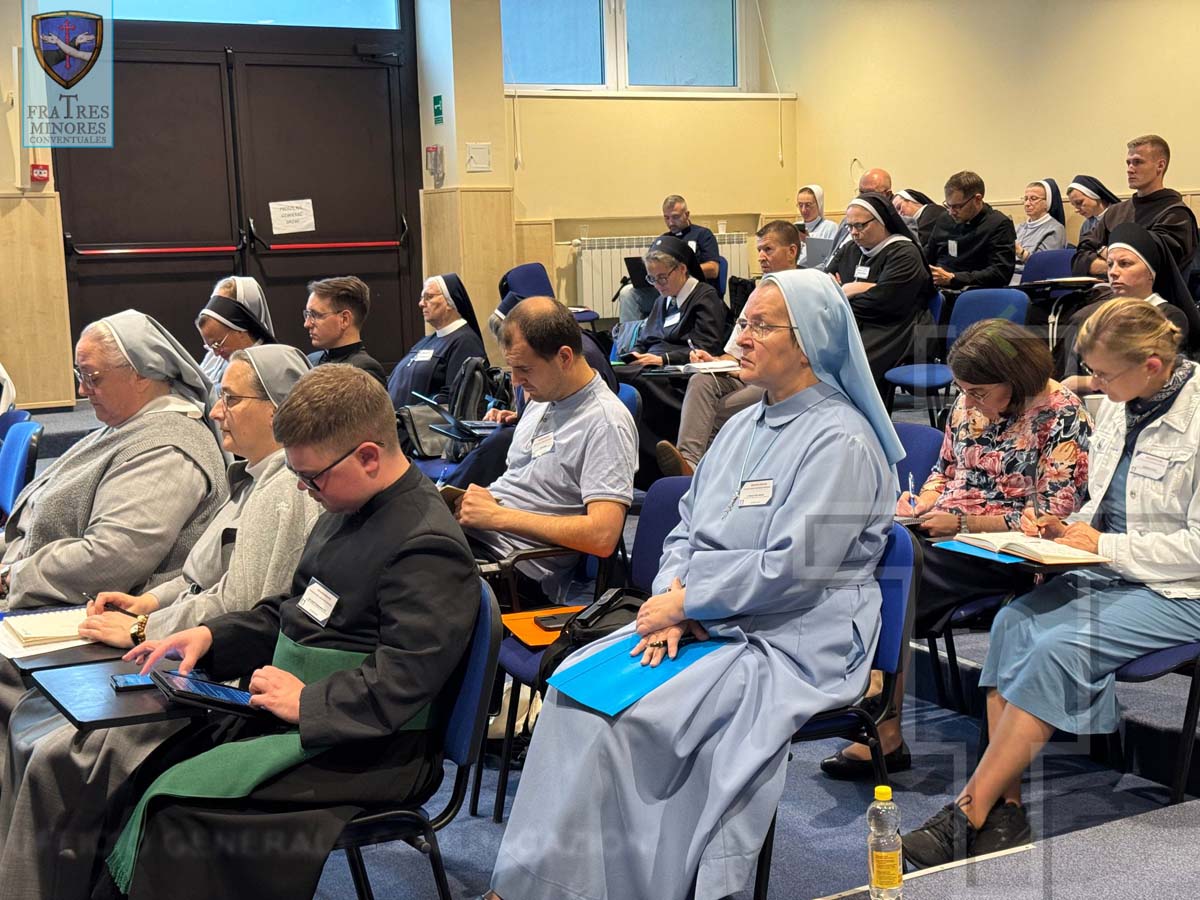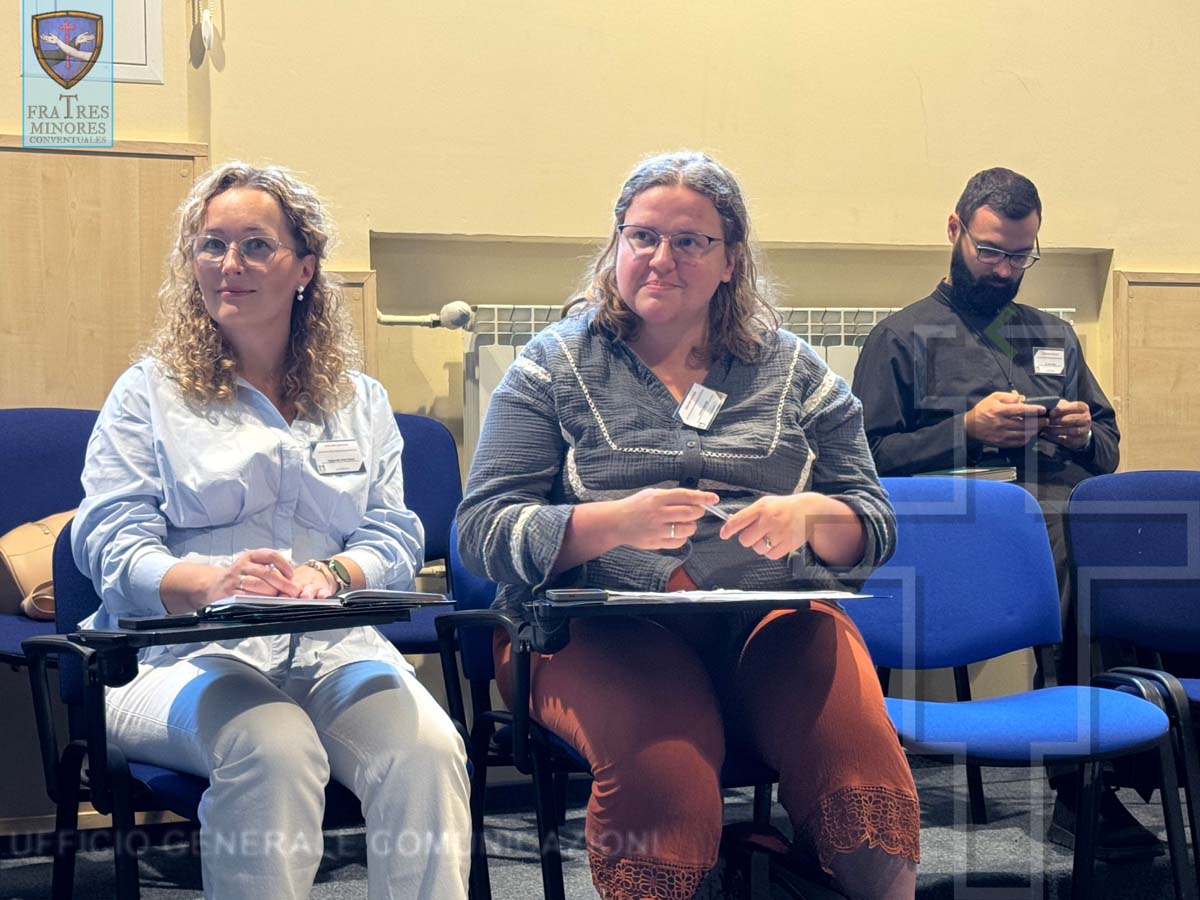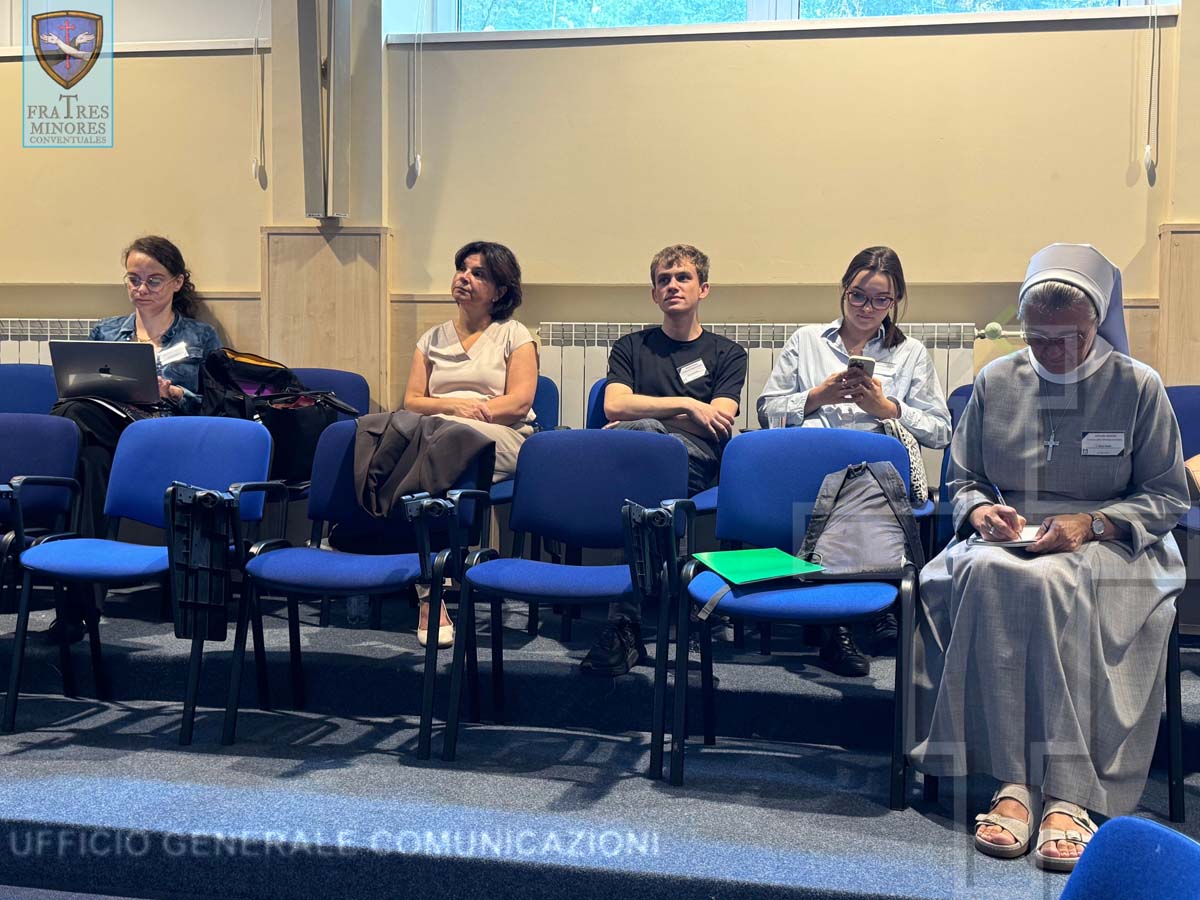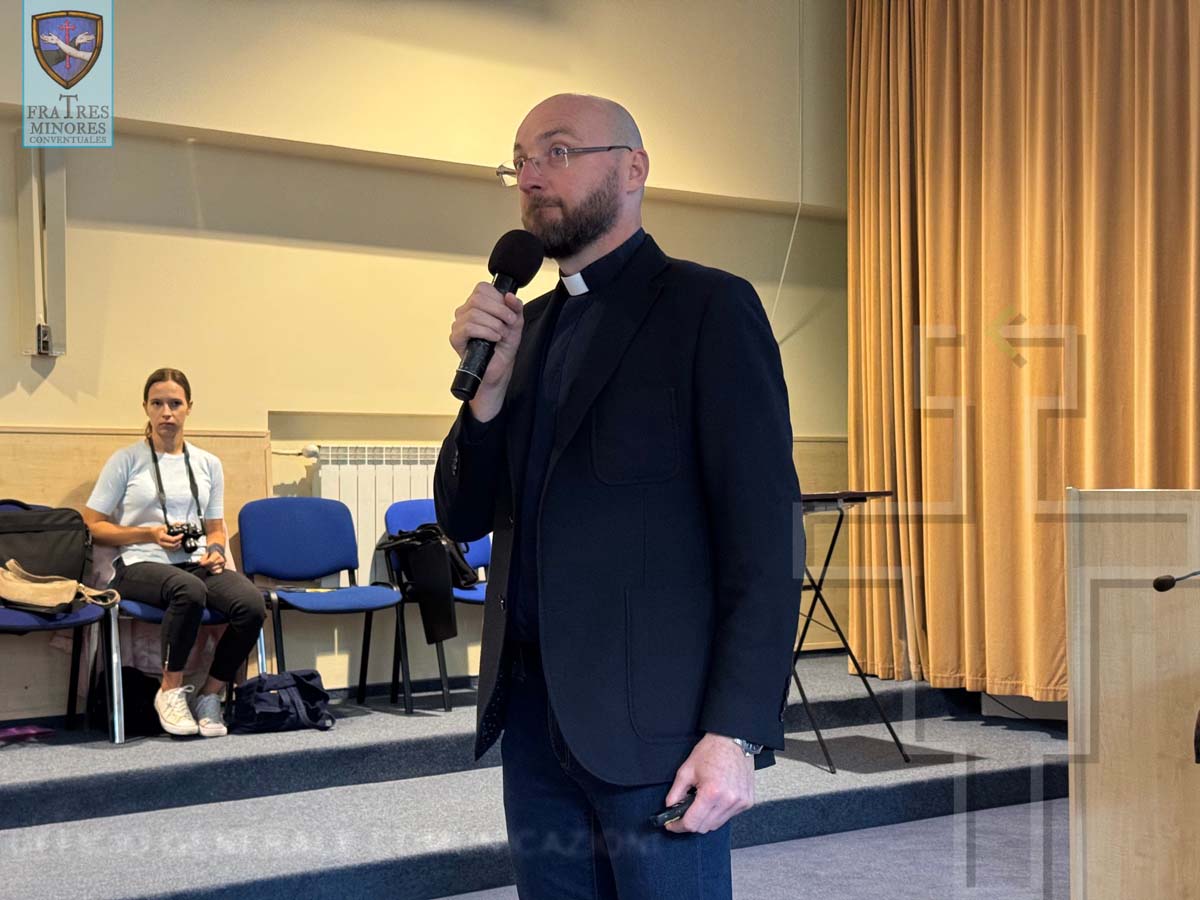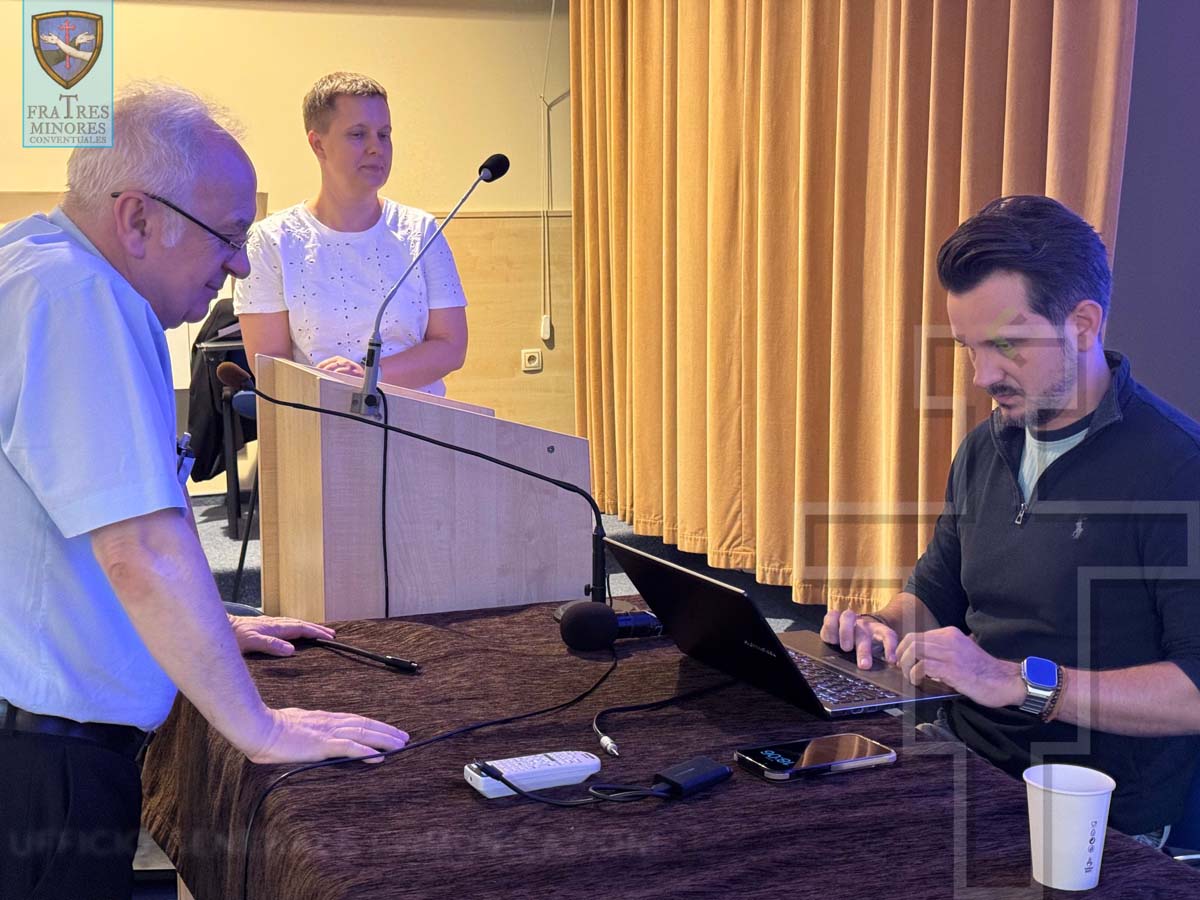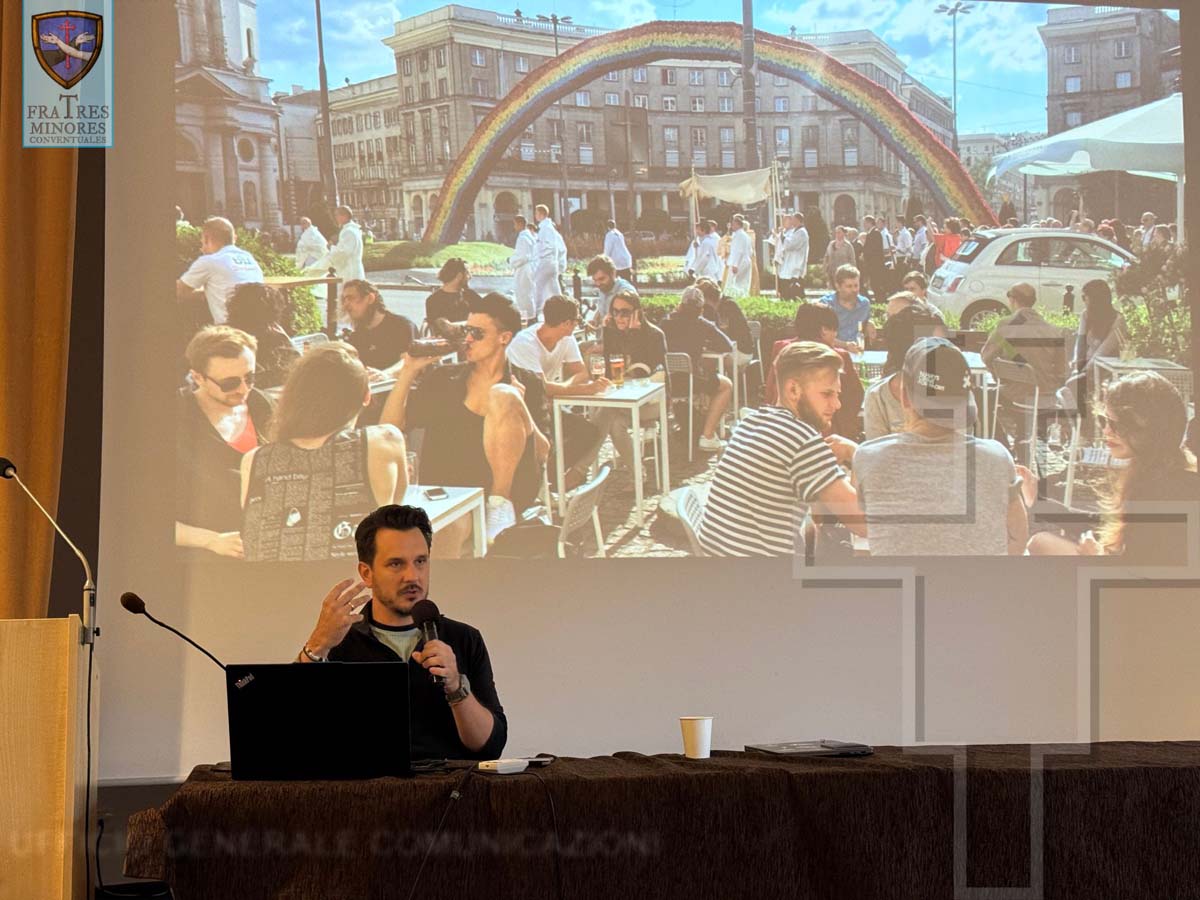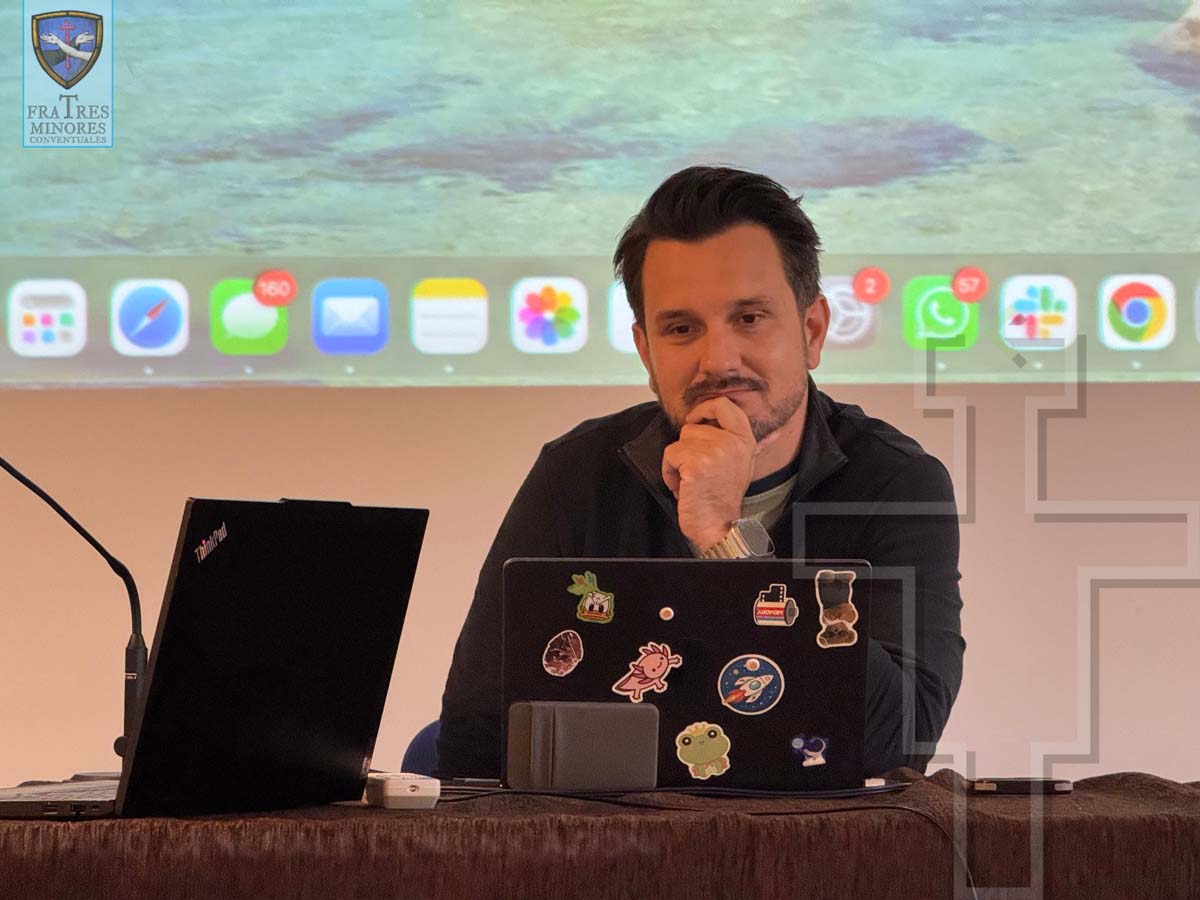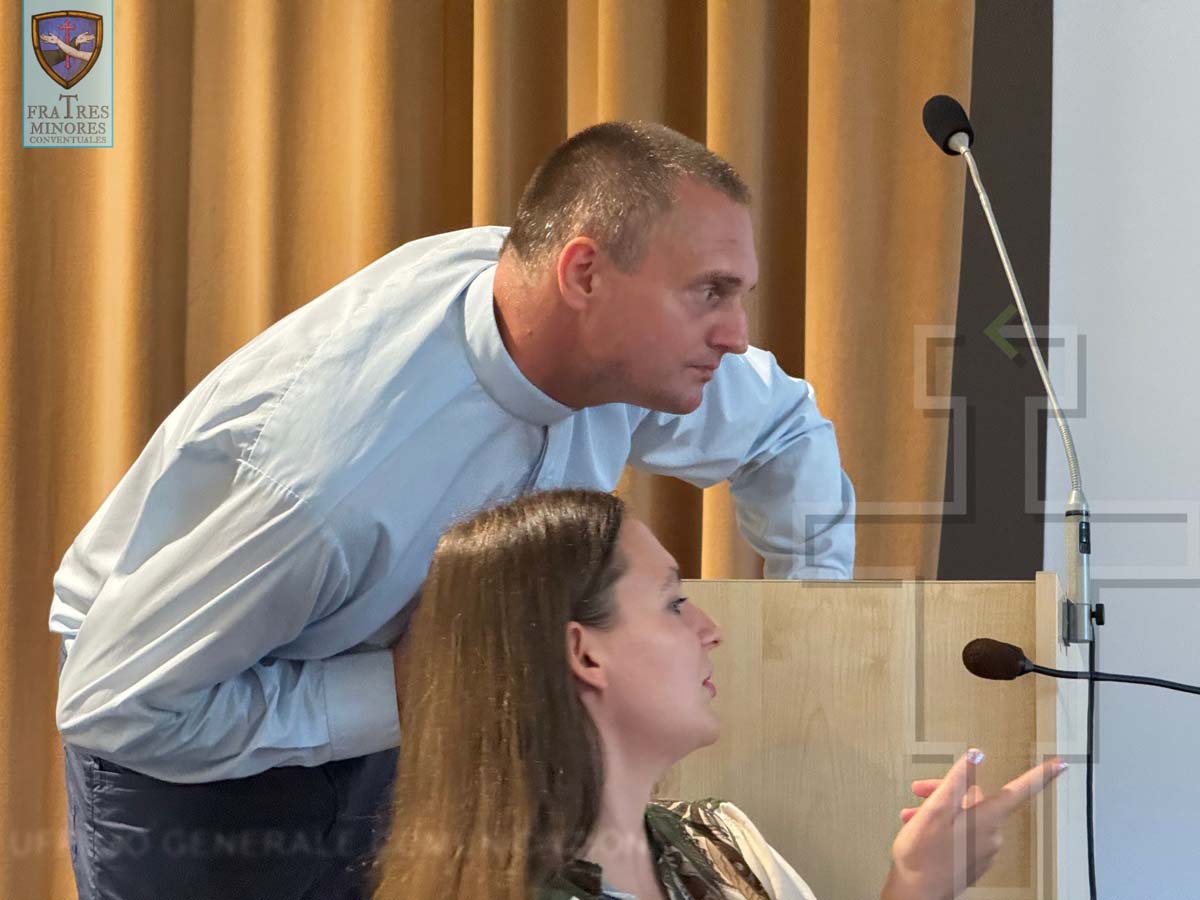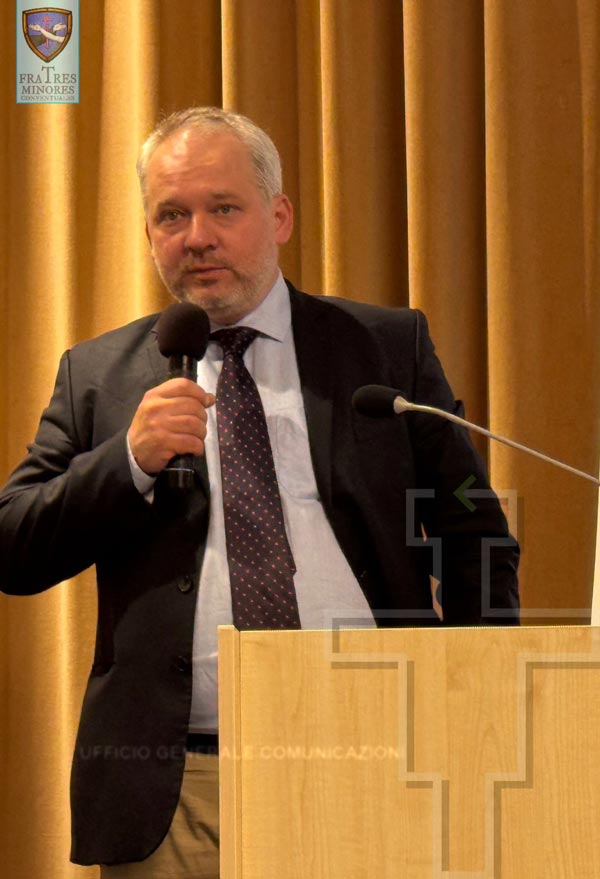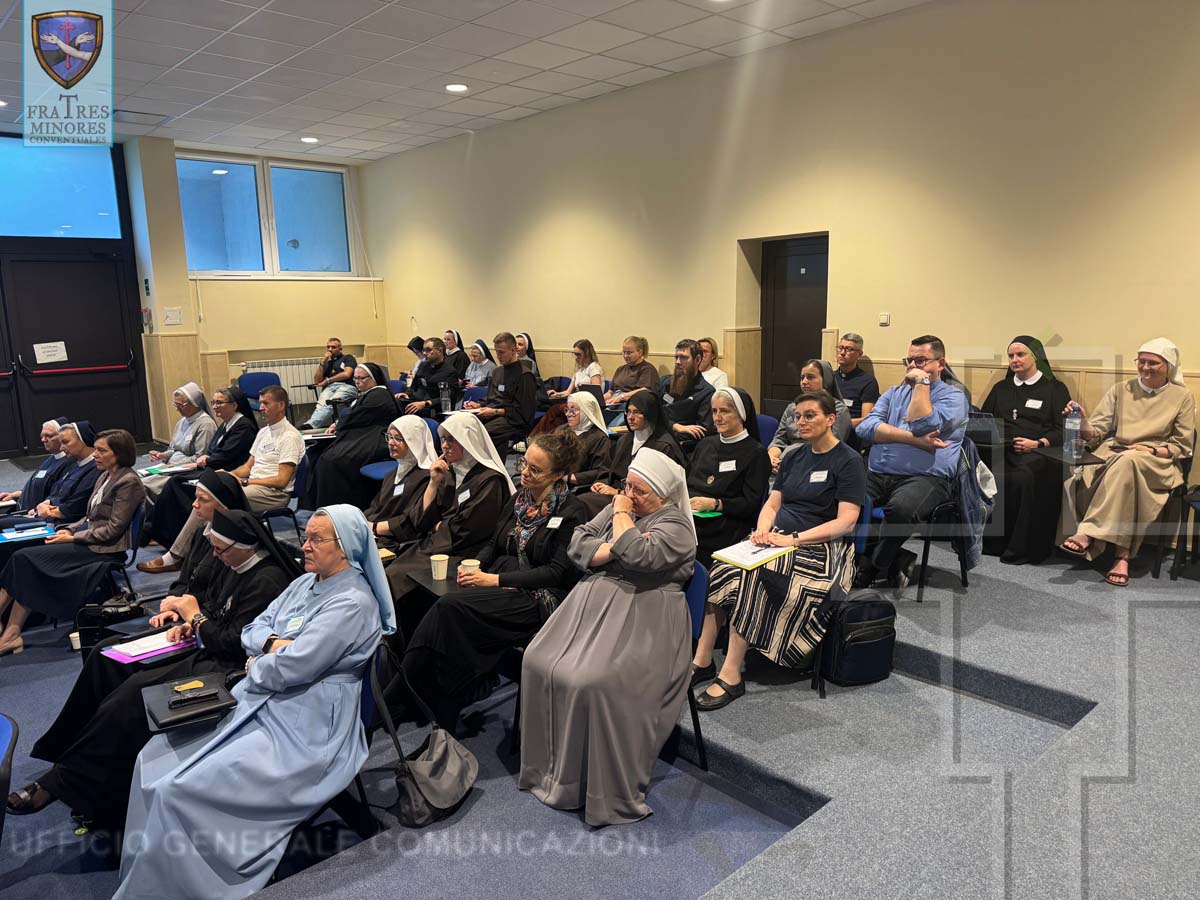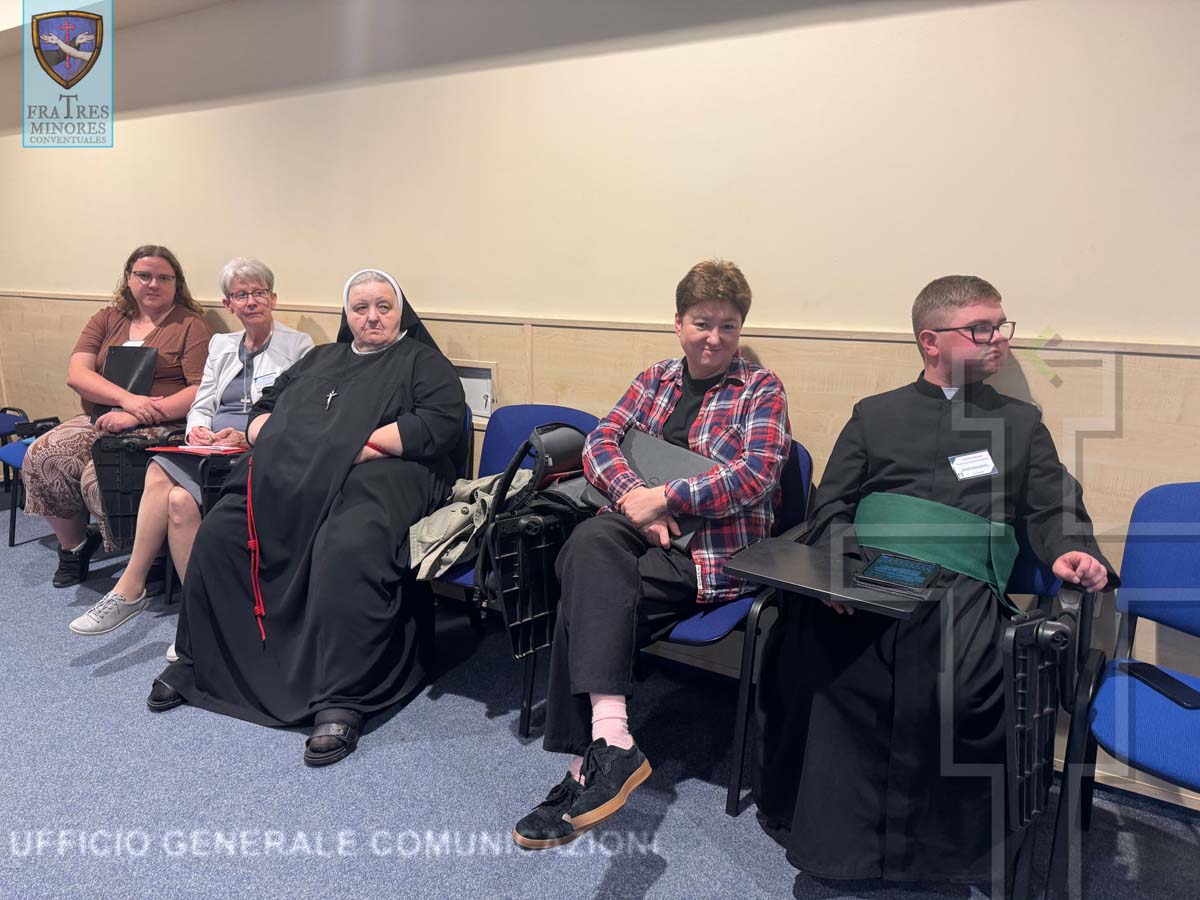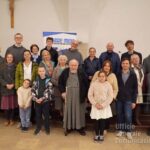




On September 8 to 10, 2026, a three-day training course was held for Church social communications professionals. The course focused on artificial intelligence, difficult interviews, social media, photography, relations with journalists, and crisis communication. The event took place in Warsaw, Poland. Nearly seventy participants from across Poland attended.
This year’s course primarily addressed the challenges that rapid changes in the media landscape pose to institutional communications. Artificial intelligence, which is playing an increasingly prominent role in the daily work of journalists, spokespersons, and press officers, was among the main topics.
The first lecture was delivered by journalist Arleta BOJKE, Editor-in-Chief of Zero TV, who spoke about interviews and difficult topics, emphasizing the importance of facts in dialogue with journalists. She addressed situations in which a spokesperson must deal with challenging questions, tight deadlines, and the need to accurately present the position of the institution they represent.
That evening, journalist Michał SZUŁDRZYŃSKI, Deputy Editor-in-Chief of the newspaper Rzeczpospolita and Head of Premium Content Development, discussed the use of artificial intelligence in the media.
AI was also one of the main topics the following day. Aleksandra STANKIEWICZ led a workshop on mobile content creation—that is, producing photographs and short videos for social media with the help of artificial intelligence tools.
Father Maciej MAKUŁA, from Rome, discussed the use of AI in press offices, presenting available tools, possible models for organizing work, and the ethical issues associated with using artificial intelligence.
Arkadiusz GROCHOT, Editorial Director of the news service WP Wiadomości, spoke about website management and day-to-day relations with journalists, emphasizing the importance of effective collaboration between newsrooms and institutional communications managers.
Jakub SZYMCZUK, former photographer for the President of the Republic of Poland, led a practical workshop on photography under difficult conditions. Participants learned how to produce high-quality photographic material even when working conditions are less than ideal.
The final day of training was devoted primarily to crisis communication. Father Piotr STUDNICKI, Spokesperson for the Archdiocese of Cracow, spoke about how to act and communicate once a crisis situation has ended.
The course concluded with a presentation by Bartosz BARTYZEL, Spokesperson and Head of the Press Office at the Auschwitz Museum, who shared his experience in managing the Press Office and handling crisis situations.
The three-day course was more than an opportunity to learn about new tools and working techniques, it was also a forum for discussion and exchanging experiences among people who deal daily with the Church’s presence in the media.
The course organizers included Monika PRZYBYSZ, of the Institute of Media Education and Journalism at Cardinal Stefan Wyszyński University; Katarzyna FERENS, a manager; Father Józef KLOCH, of the Faculty of Communication Sciences at the Pontifical John Paul II University; and Friar Jan Maria SZEWEK, OFM Conv., a public relations and advertising specialist.
Jan Maria SZEWEK