


From September 25 to 30, 2026, I visited Sweden, stopping at three locations: Lund, Jönköping, and Vadstena.
The Franciscans first arrived in Lund in 1236. At the time, it was the most important city in Denmark, and from there the archbishops exercised ecclesiastical authority over all of Scandinavia. From the 13th to the 15th century, the coronations of Danish monarchs were held in the cathedral in Lund. The last one took place in 1406, when the wife of Erik of Pomerania was crowned. King Erik’s tomb is located in Darłowo, Poland, where our friars serve.
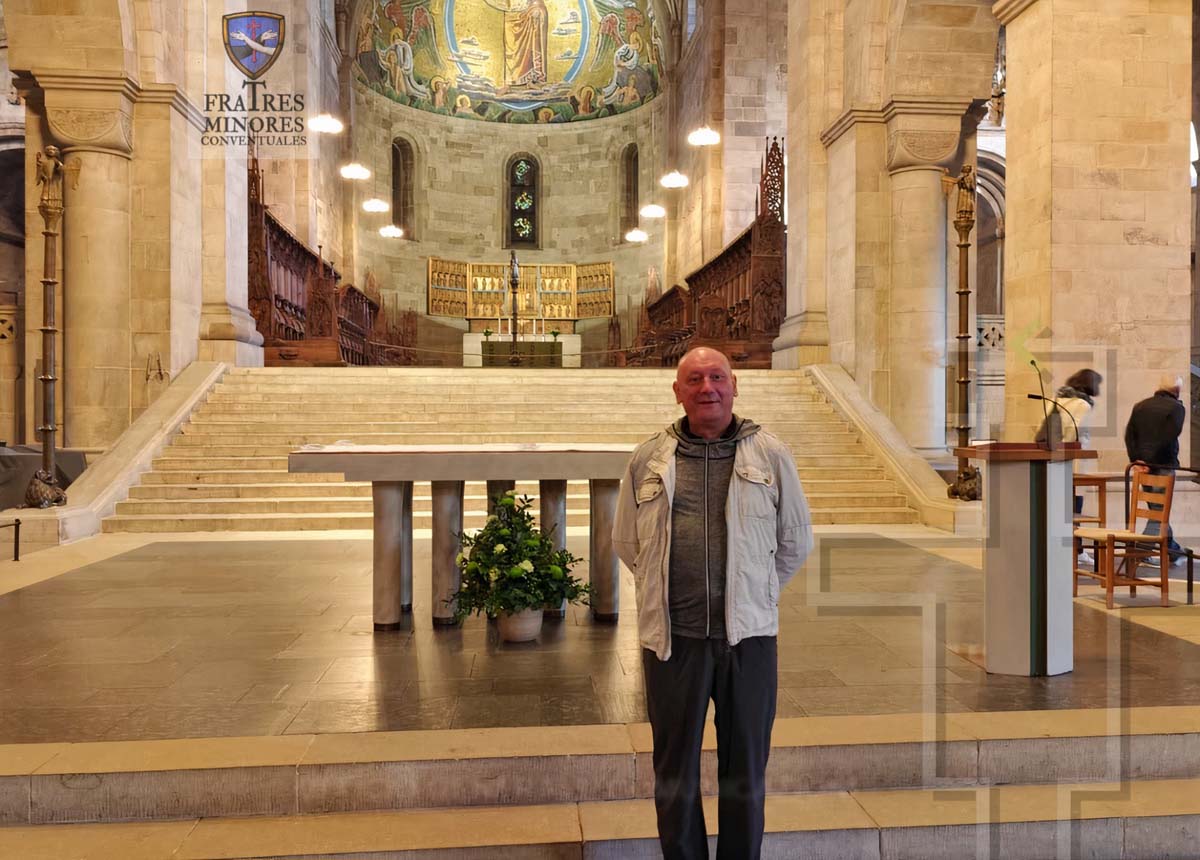
In 2016, Pope Francis visited Lund in preparation for celebrations marking the 500th anniversary of the Reformation. During my stay, I was able to visit the Catholic parish church of St. Thomas Aquinas, as well as the medieval cathedral—now Lutheran—and two historic sites: Klostergatan, “Friary Street,” where the Franciscans’ institute of studies was located, and Gråbrödragatan, literally “Street of the Gray Friars,” where the Franciscan friary stood until the Reformation.
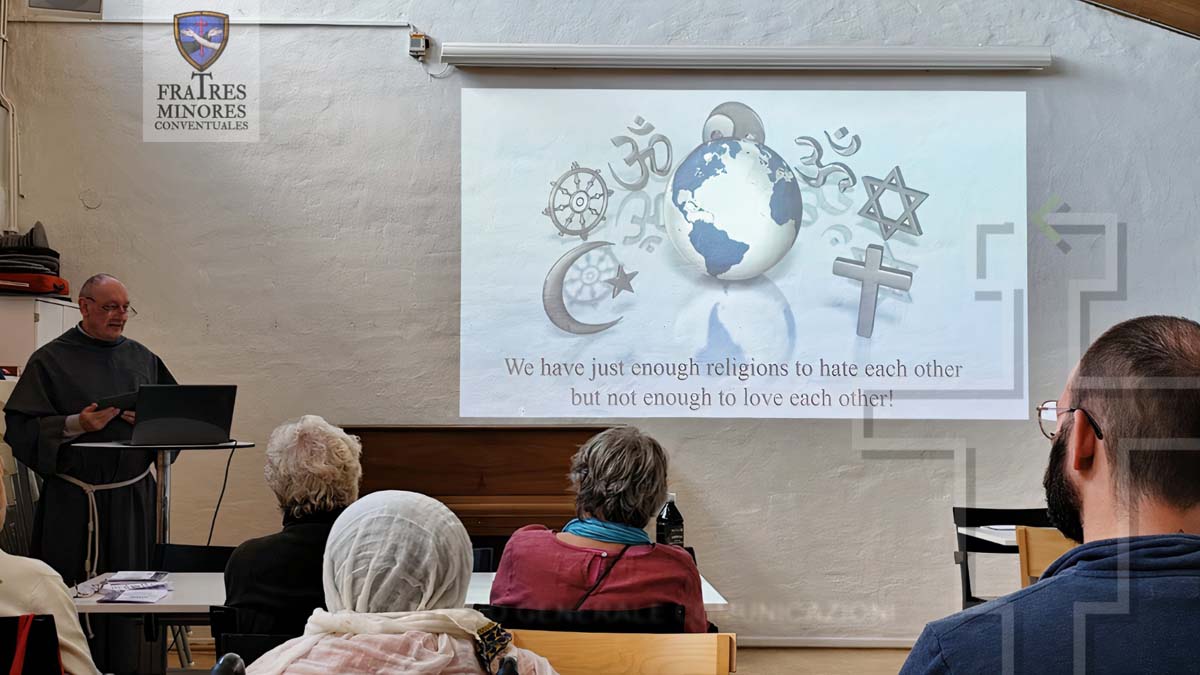
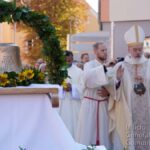
The highlight of my visit to Lund, however, was meeting with the Catholic community of the Secular Franciscan Order and the Lutheran Franciscan Third Order (FTO), founded on the model of the Anglican Third Order of the Society of St. Francis (TSSF). We began the meeting with a novena in preparation for the Solemnity of St. Francis at the Lutheran Church of St. John (St. Hans kyrka), followed by a presentation of the Spirit of Assisi initiative. Of course, we also spent time together fraternally, which around the world is one of the most practical forms of dialogue. At the conclusion, during Evening Prayer marking the Transitus of St. Francis, we lit a Light of Assisi lamp. The Catholic Franciscan group here is led by Friar Władysław MĘŻYK, who ministers in Jönköping and whom I sincerely thank for organizing this ecumenical gathering.
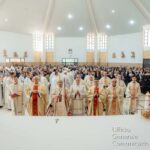
The next stop on my journey was Jönköping, where the first Franciscans arrived and founded a friary as early as 1283. In the modern era, according to available data, St. Francis Parish Church was founded in 1950. The Franciscans took charge of it in 1990. A friary was established in 1992. The parish is multinational, and pastoral ministry is conducted in Swedish, Arabic, English, Polish, Slovenian, and Spanish. Liturgies are celebrated in both the Roman and Eastern rites.
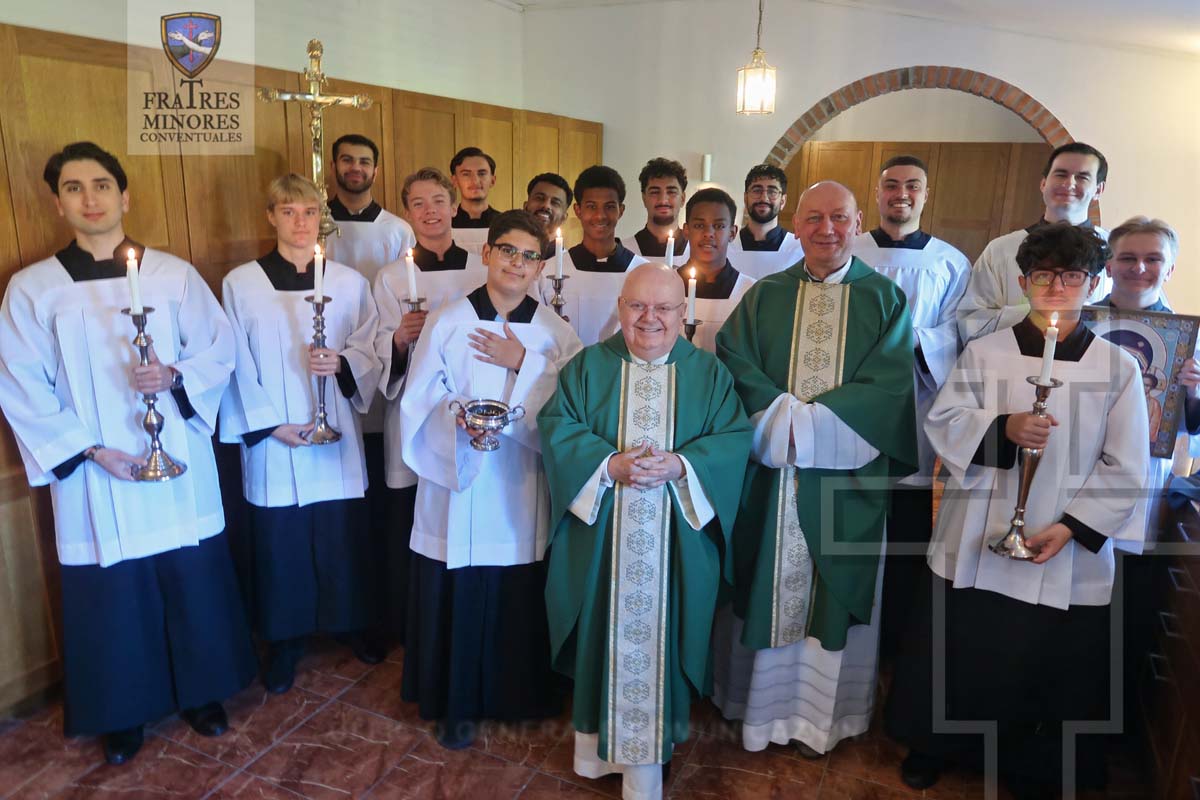
The members of the local friary are Friars Rafał ZARZYCKI (Guardian), Joseph Maria NILSSON (Pastor), and Władysław MĘŻYK. The friars treated me like a king: I almost felt like King Carl Gustaf!
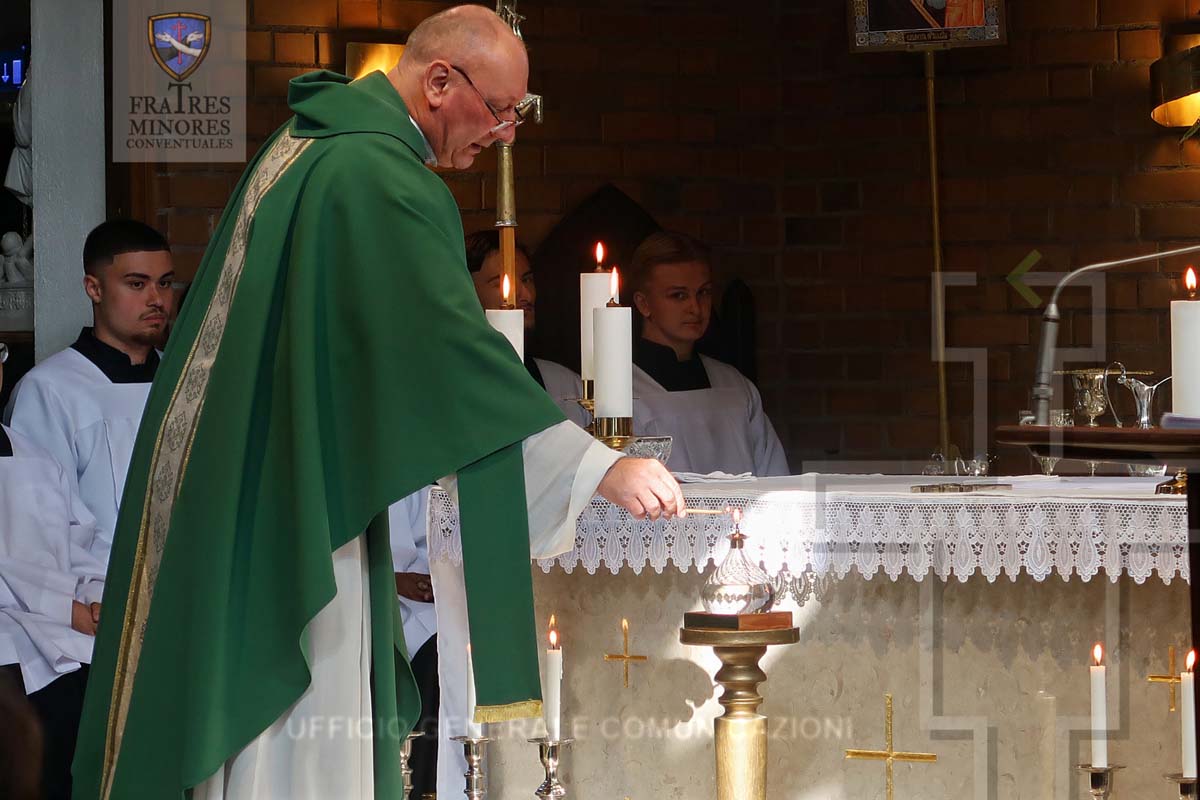
During all the Sunday Masses, I gave homilies in which I referred to the Franciscan Jubilee and, of course, the Spirit of Assisi. Since that day, a Light of Assisi lamp has also been burning in Jönköping.
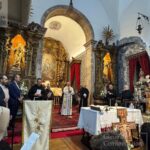
The final stop on my trip to Sweden was a meeting with the Bridgettine Sisters in Vadstena. Ecumenical activity constitutes the principal charism of this Order. Together with Friar Władysław MĘŻYK, we celebrated Mass, during which we lit a Light of Assisi lamp. The Sisters will place this lamp in their chapel, on the altar, and light it during ecumenical celebrations held in Vadstena. More importantly, they have promised to pray for our ecumenical and interreligious work.
As a point of interest, I would like to mention that Vadstena was visited by Pope John Paul II in 1989. In total, then, I was able to visit and promote ecumenical dialogue in the Spirit of Assisi at two places that have hosted popes in the past. I also met people from a slightly older generation who remembered our brother and pioneer of Franciscan efforts to promote ecumenical dialogue, Friar Massimiliano MIZZI.
Nothing happens by chance. Despite our small numbers, the Franciscan spirit in Sweden is alive and continues to grow. Hence the Swedish phrase in the title, the translation of which I will now reveal: “The Ecumenical Bridge of the Gray Friars”!
Friar Sławomir KLEIN,
General Delegate for Ecumenism and Interreligious Dialogue (EDI)