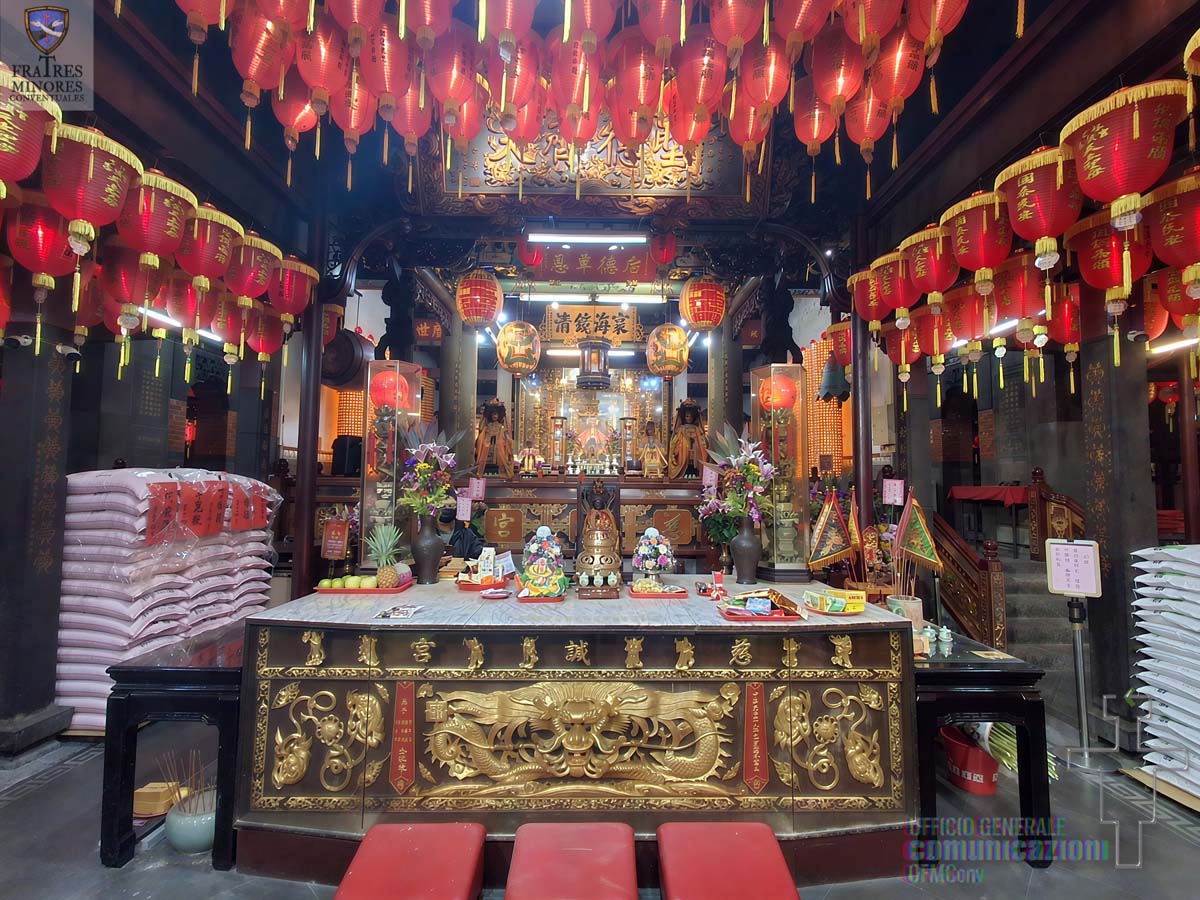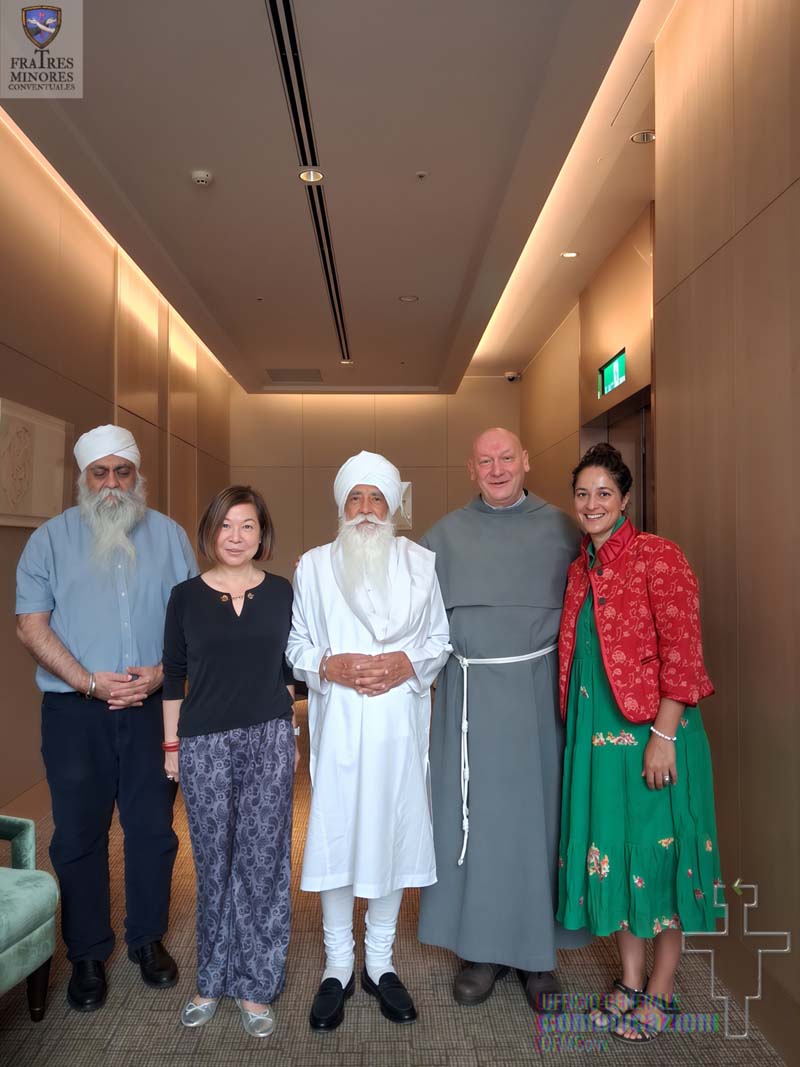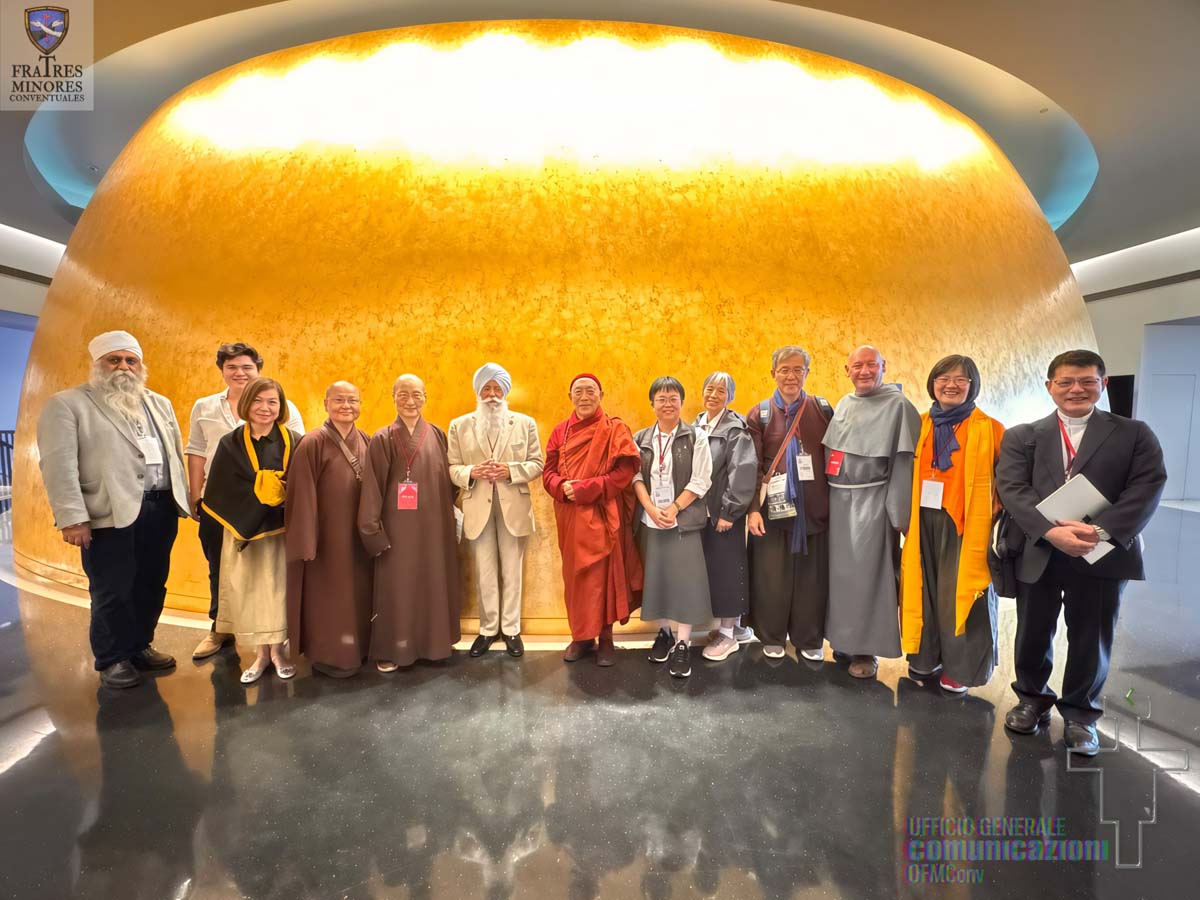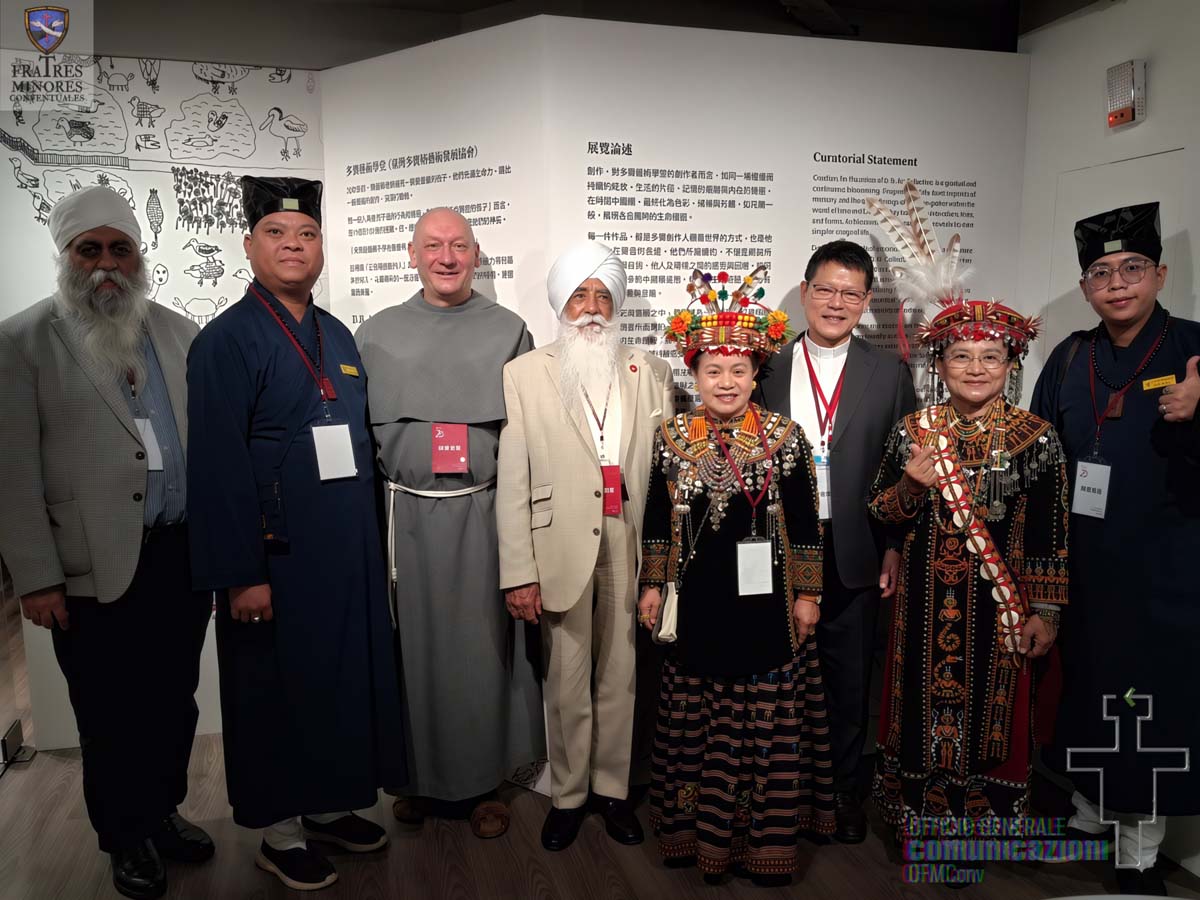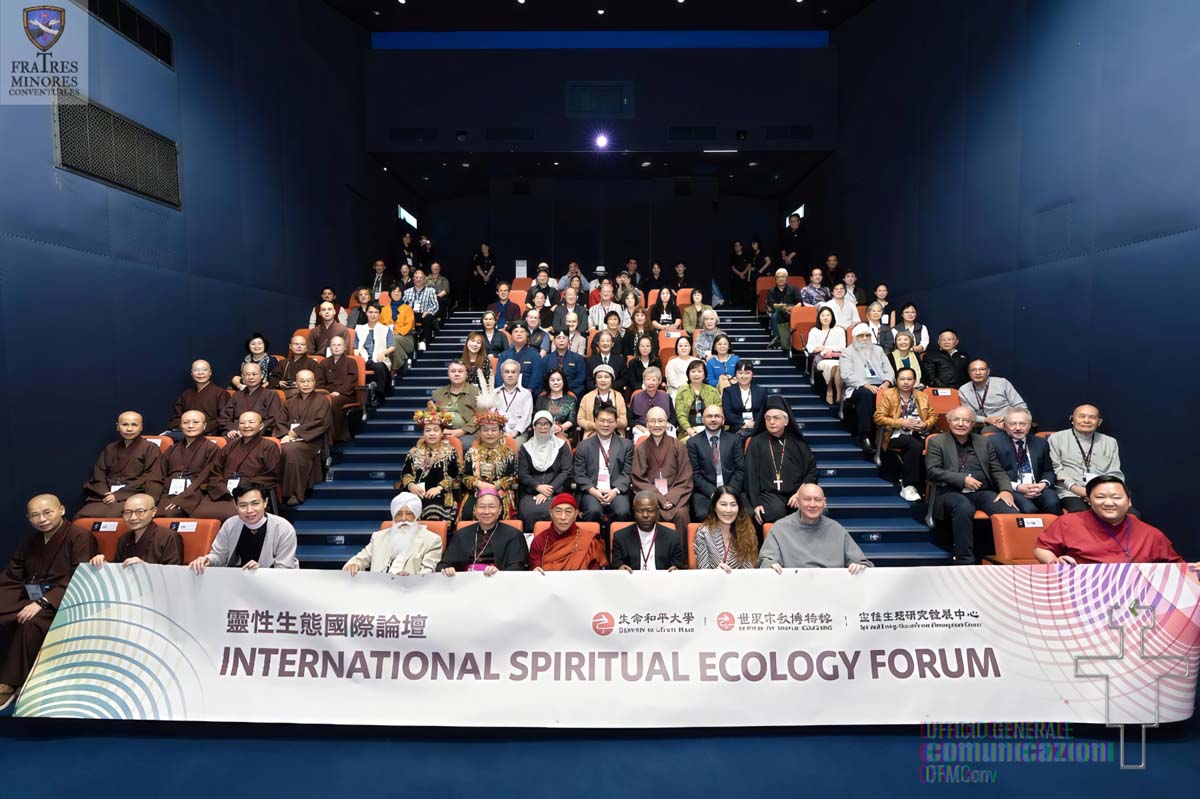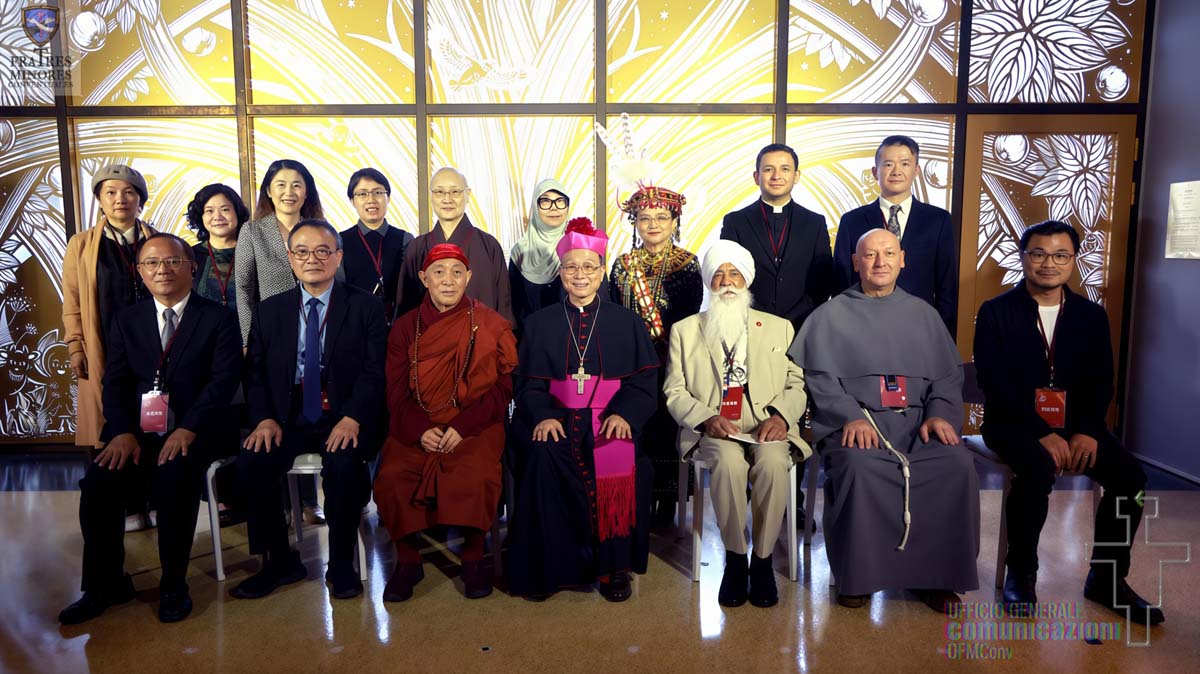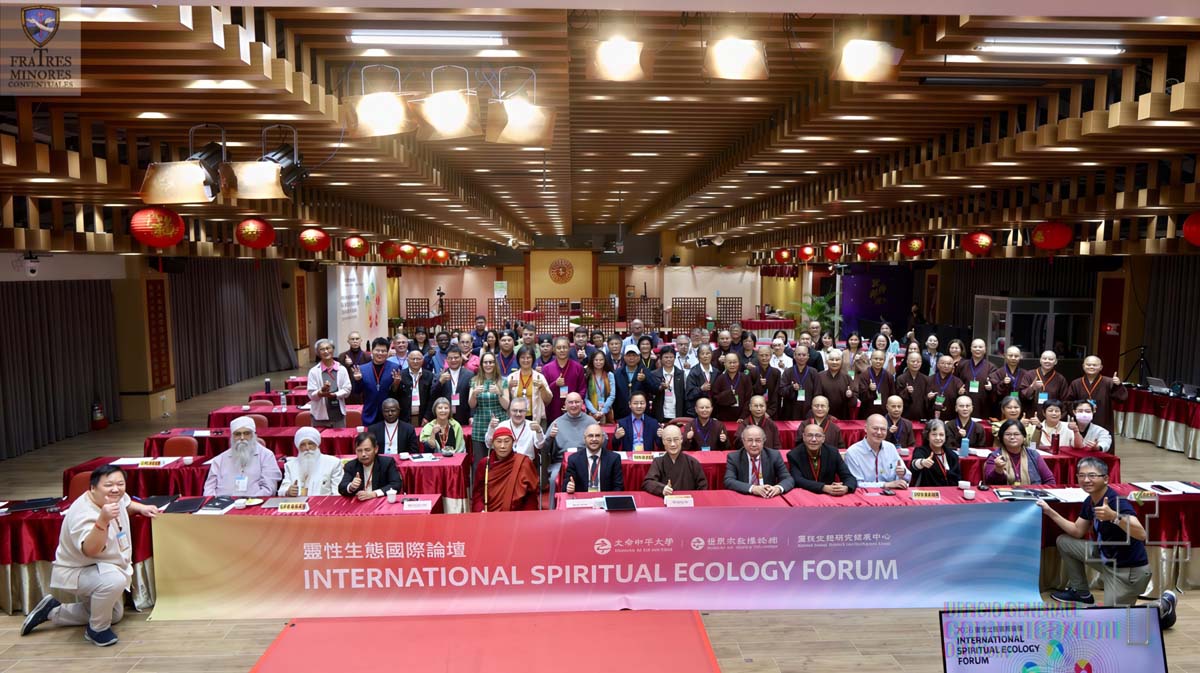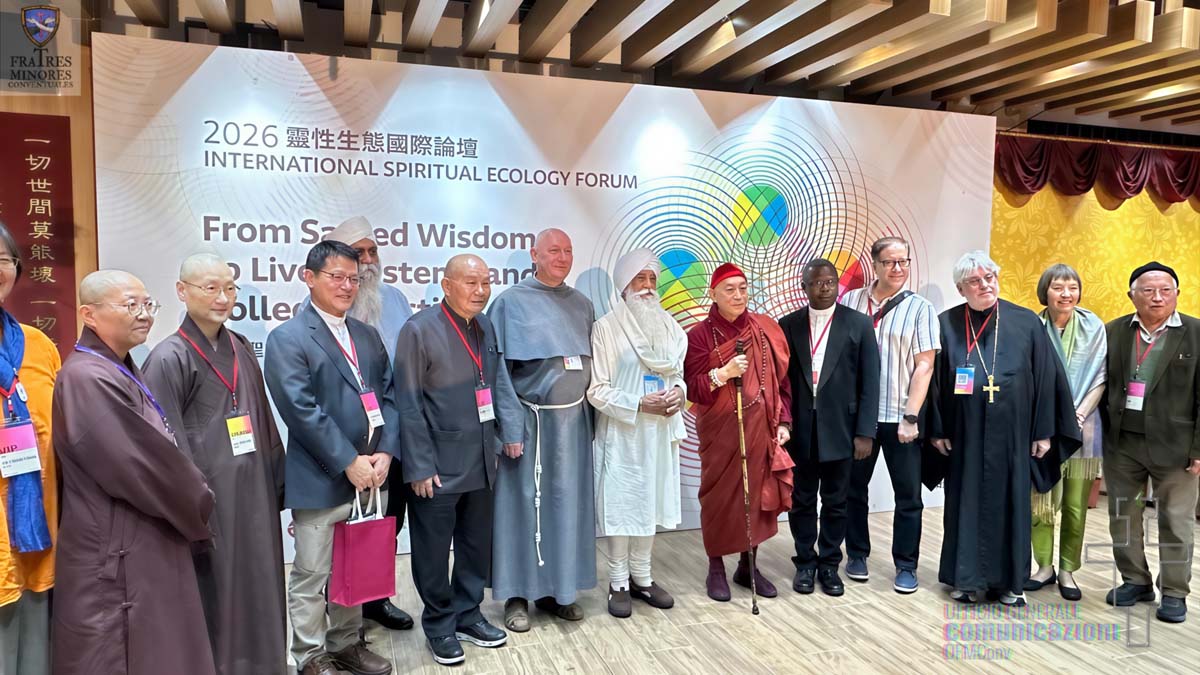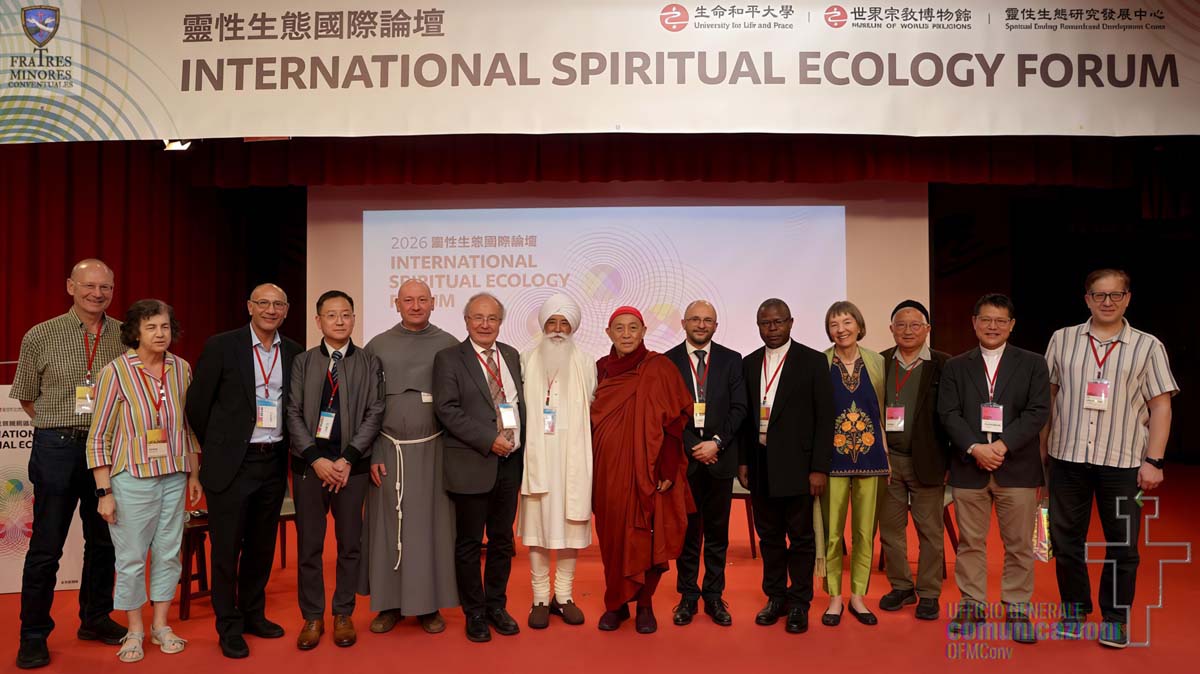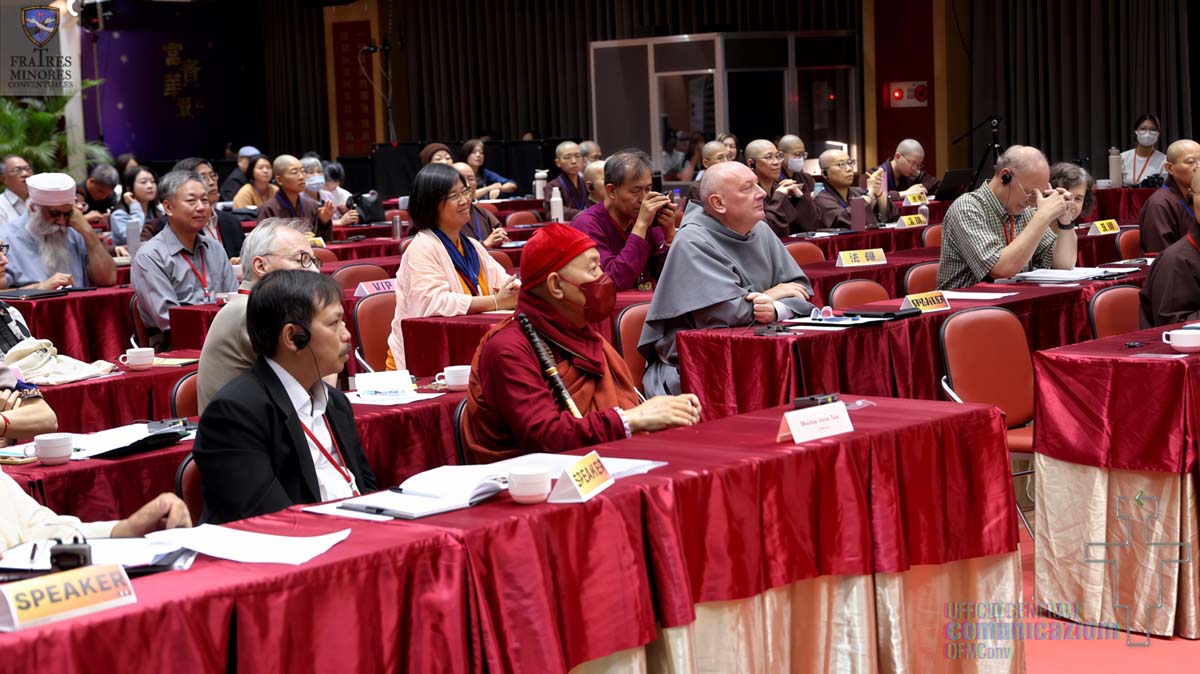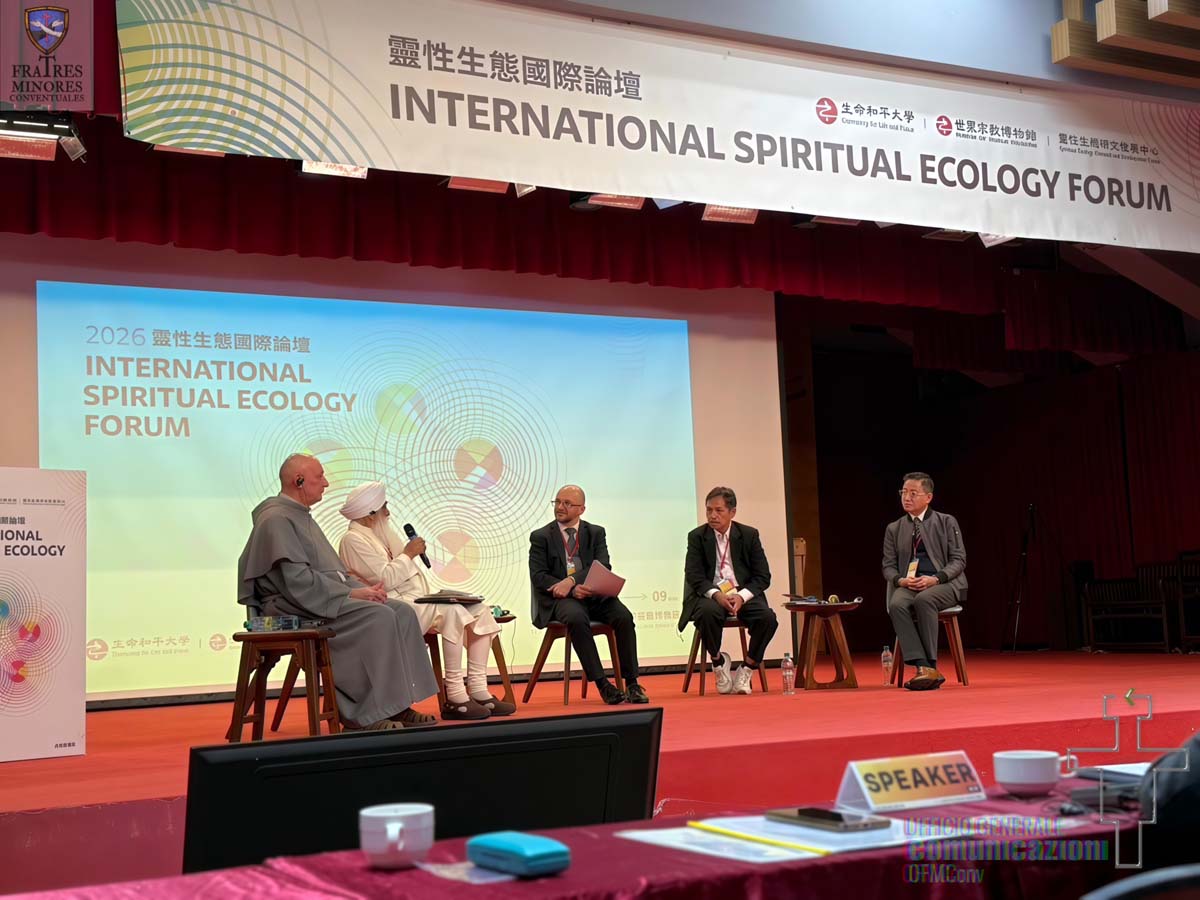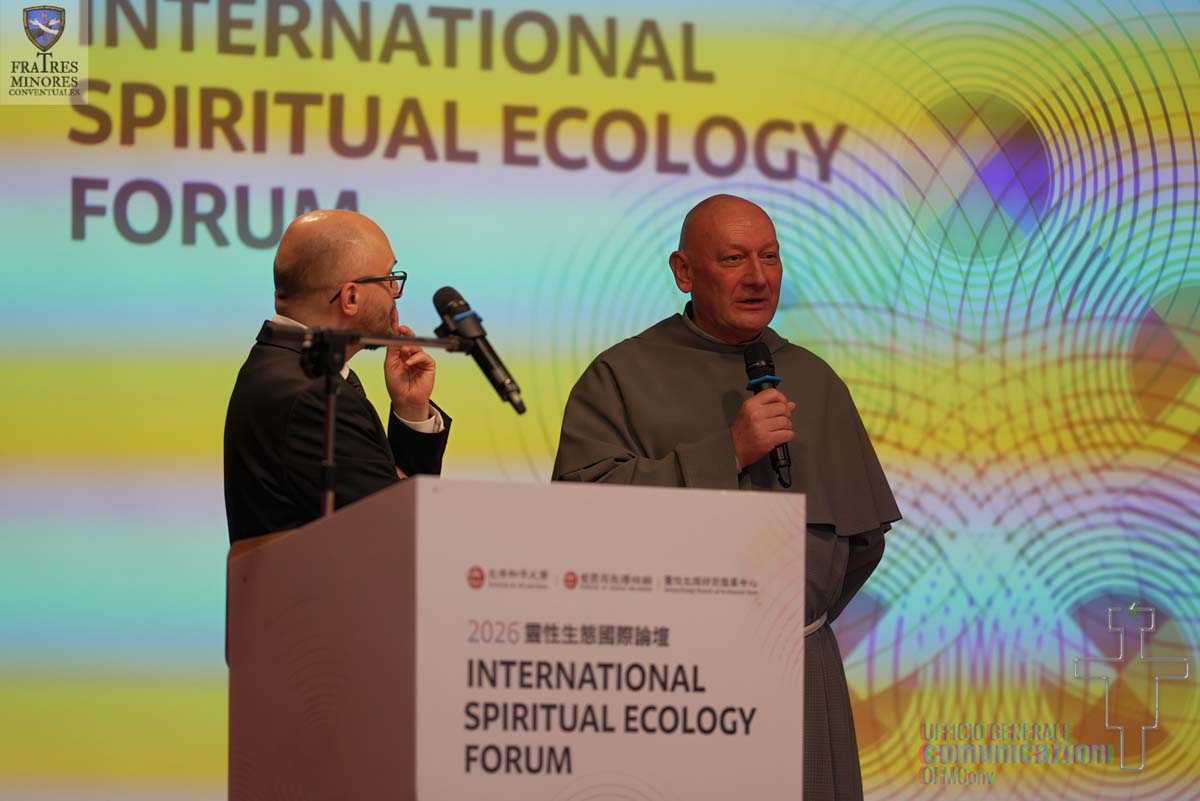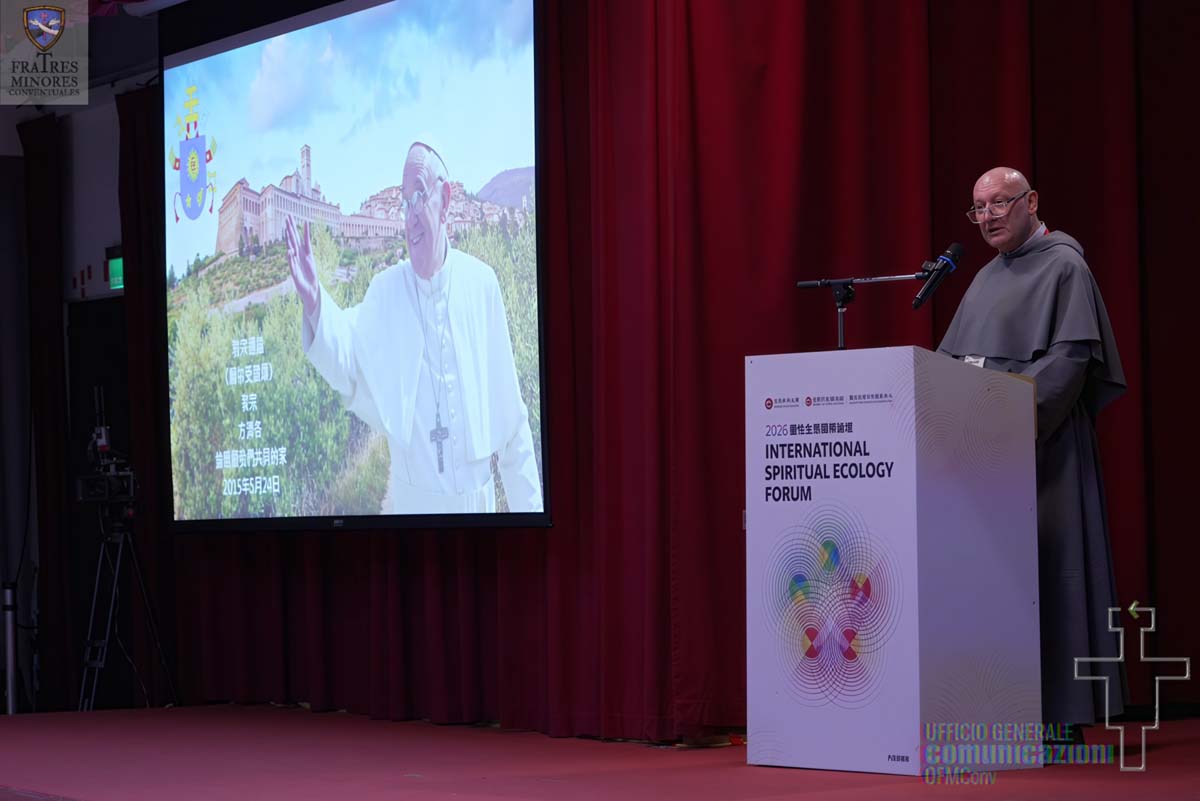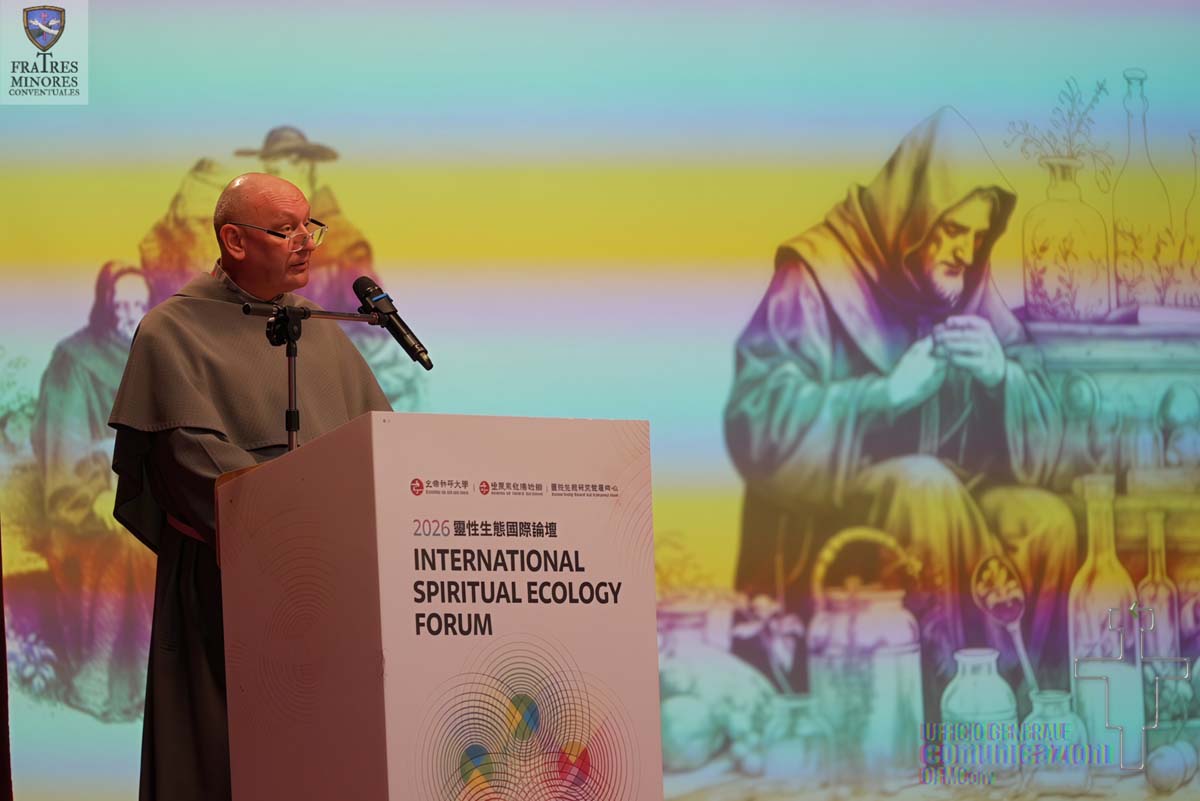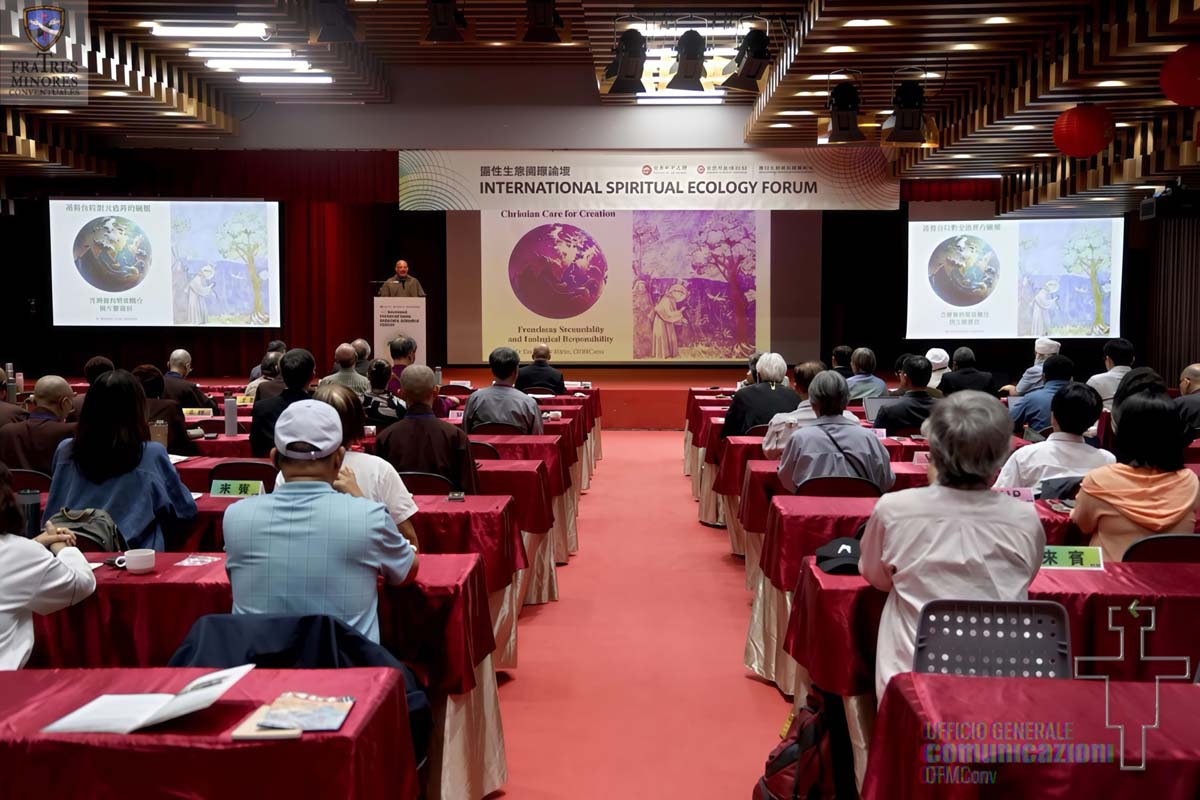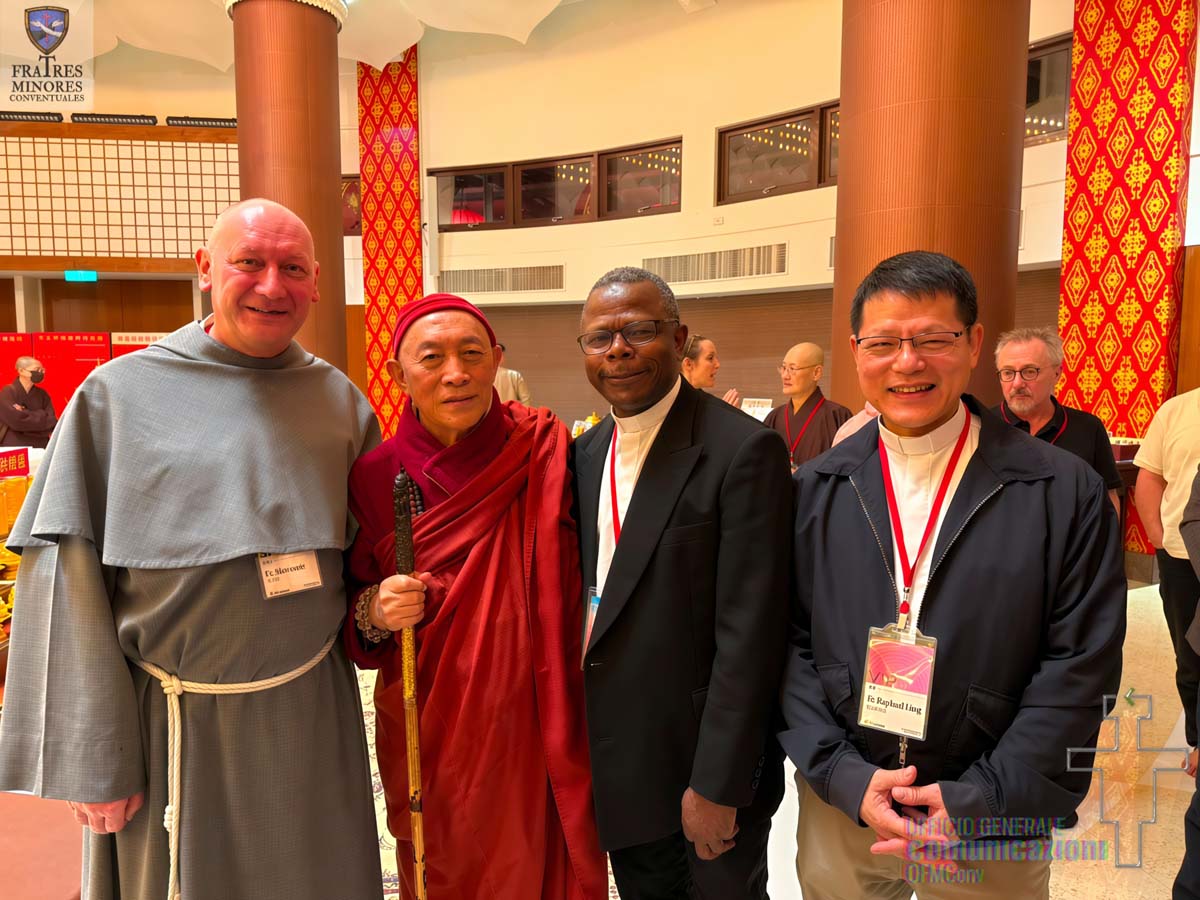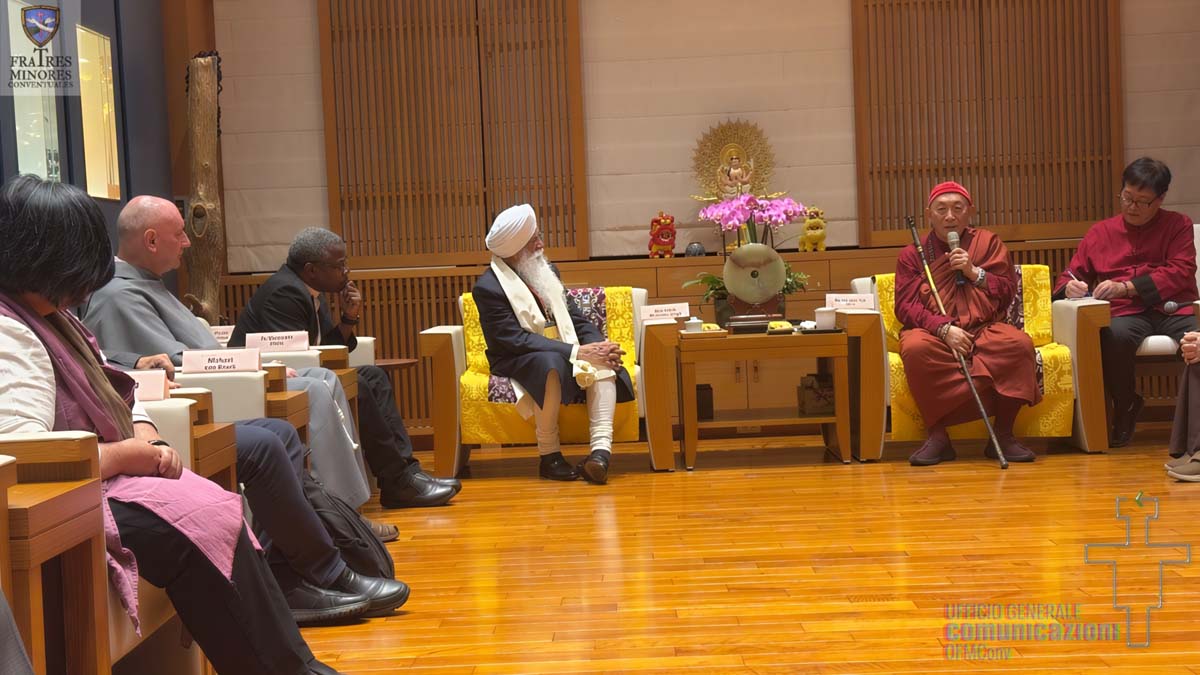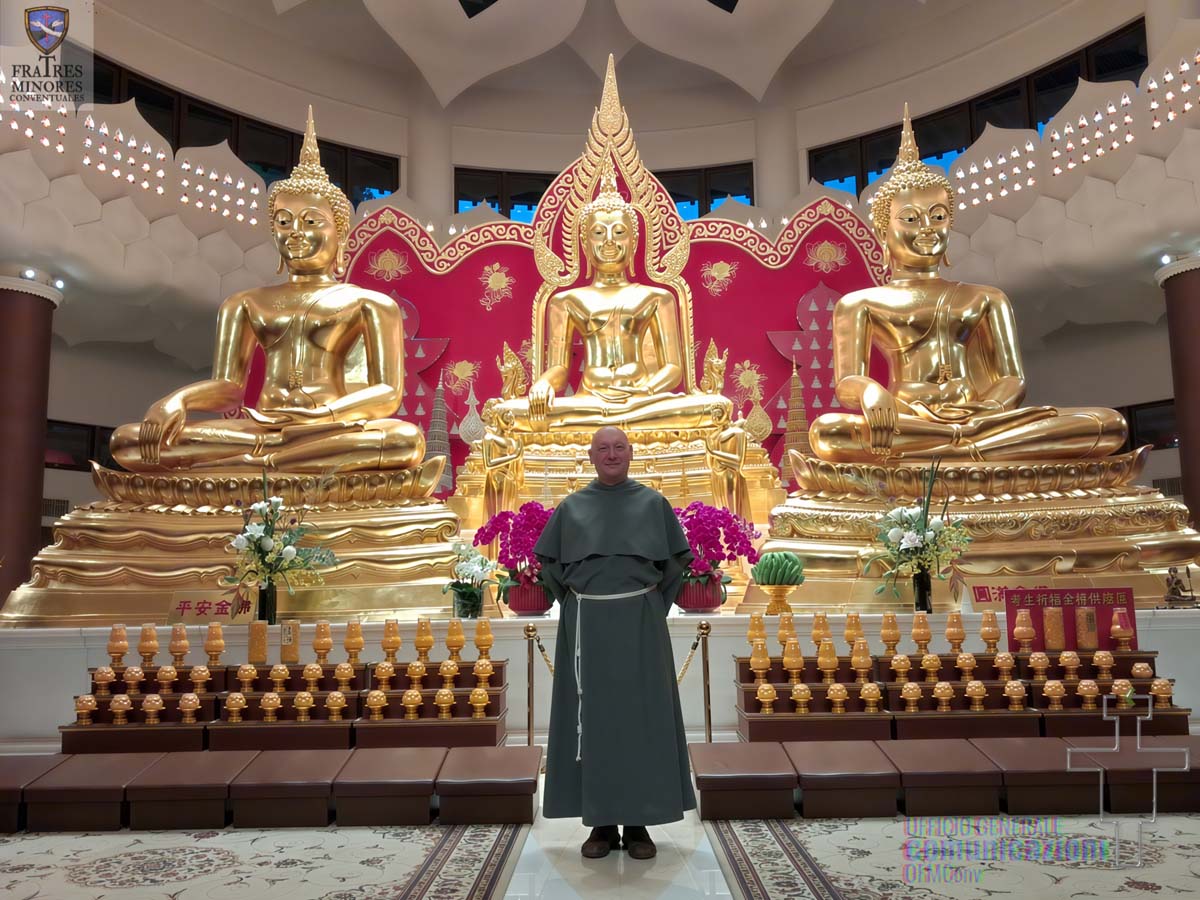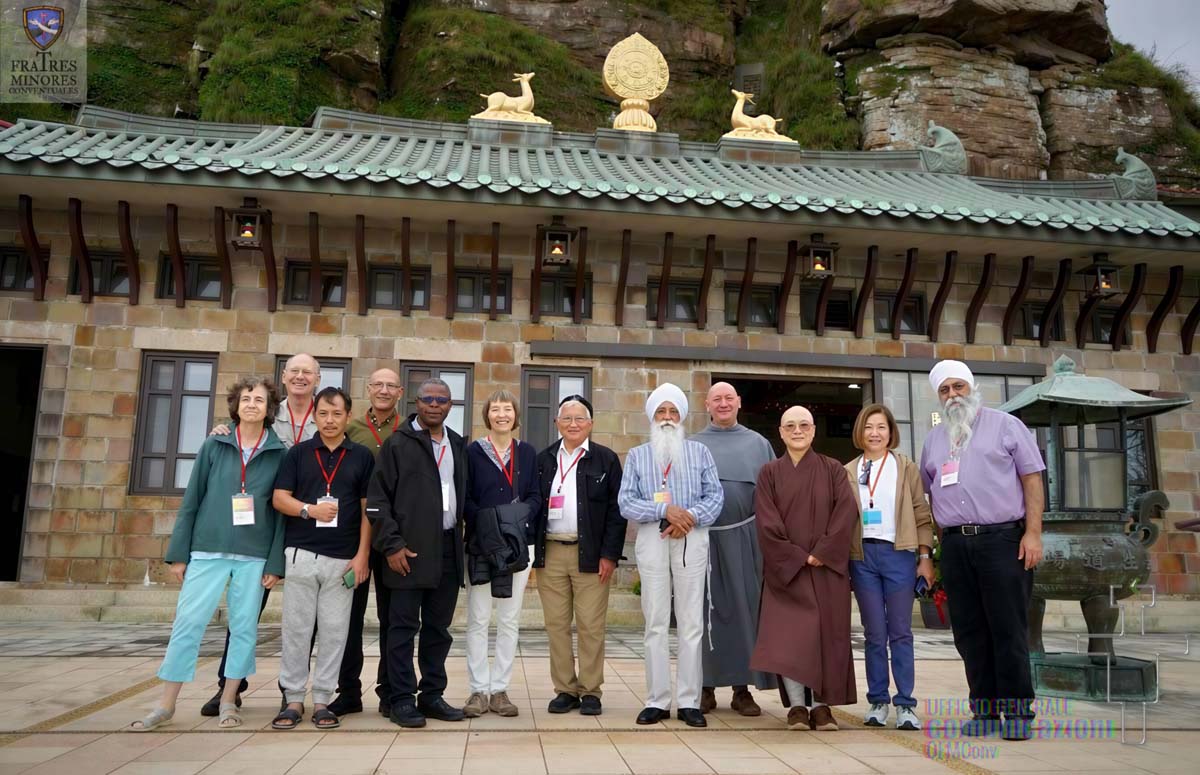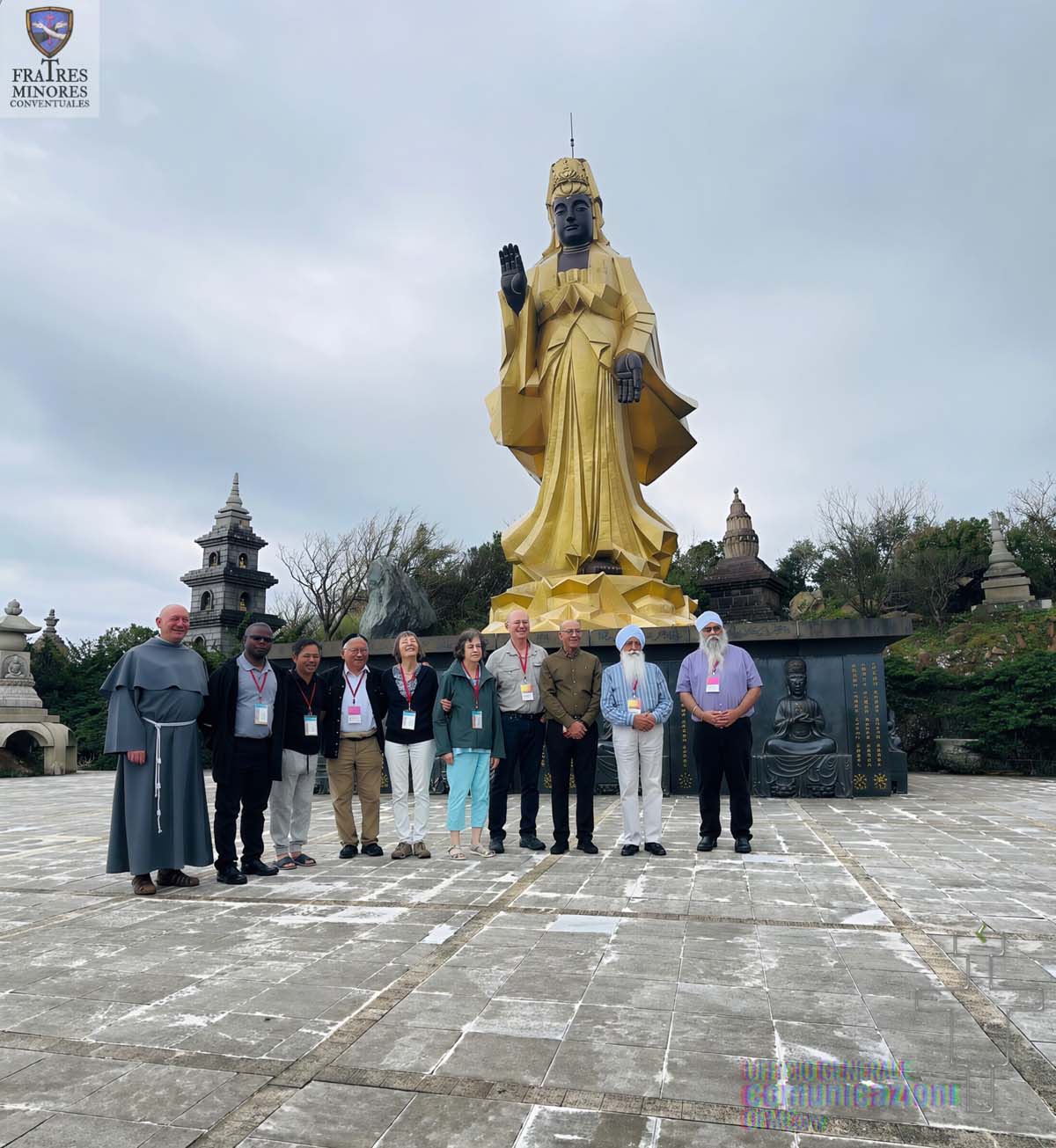



On November 7–8, 2026, the 2026 International Spiritual Ecology Forum, dedicated to the theme of “spiritual ecology” and entitled “From Sacred Wisdom to Lived Systems and Collective Action,” brought together participants from around the world at Ling Jiou Mountain Wusheng Monastery in Taiwan.
The meeting was attended by representatives of various religions, university professors, scientists, and representatives of Indigenous peoples. Together, they sought an answer to the crucial question: “How can spiritual and ethical perspectives contribute to the ecological transformation that our world so urgently needs?” For my part, I presented the Franciscan model of spirituality in this context.
“Spiritual ecology” aims to unite inner and outer transformation. It asks how religious and contemplative traditions can deepen ecological awareness and how that awareness can shape the way communities, institutions, economic systems, educational systems, and government structures function. Moreover, it asks how that awareness can shape daily life. The forum deliberately combined theory and practice: spiritual wisdom becomes meaningful when it changes the way we live, while practical ecological transformation requires values, imagination, and a deeper understanding of our interconnectedness.
The main conclusions of the forum can be summarized in five points:
- The ecological crisis is also a crisis of relationships. The way we treat the Earth reflects how we understand ourselves in relation to other beings and the living world.
- Inner and outer transformation are inseparably linked. Spiritual insight without behavioral change is insufficient. Likewise, systemic changes not accompanied by a deeper transformation of values and imagination may prove short-lived.
- Wisdom must be put into practice. Religious and Indigenous traditions matter not only because of their teachings but also because they shape particular ways of life rooted in responsibility, simplicity, care, and community.
- Transformation takes place on multiple levels simultaneously. Communities, education systems, cities, industry, energy, the economy, government structures, and international institutions are all interconnected areas of change.
- The next step is collaboration. No single tradition, discipline, institution, or sector can tackle the ecological crisis alone. The challenge is to unite knowledge and practice and connect people with one another.
During the panel discussion and conversations between presentations, we were able to experience just how important the role of religion is in ecological—and even political and economic—responsibility in the contemporary world. Personally, I was deeply inspired to hear people who work each day in politics, science, and economics speak so positively about the role of religion in today’s world.
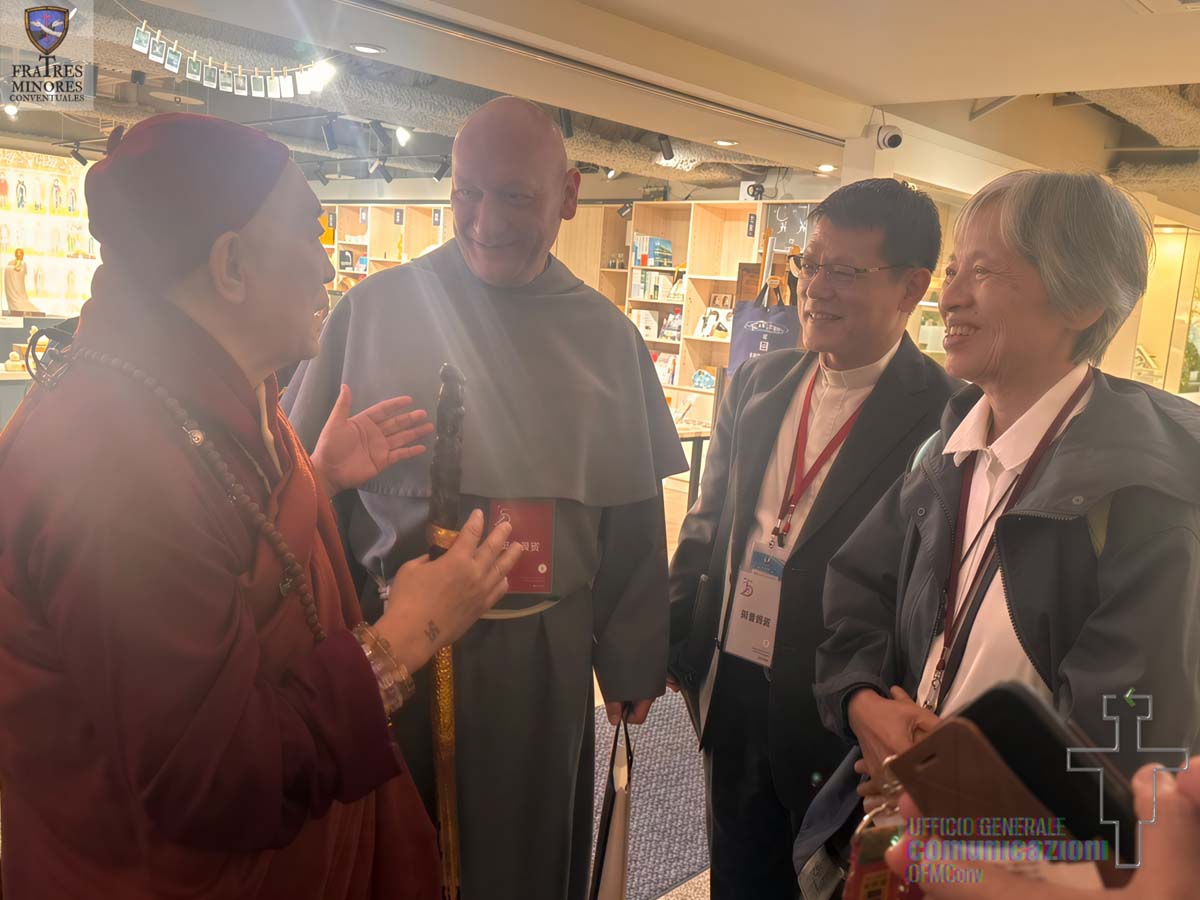
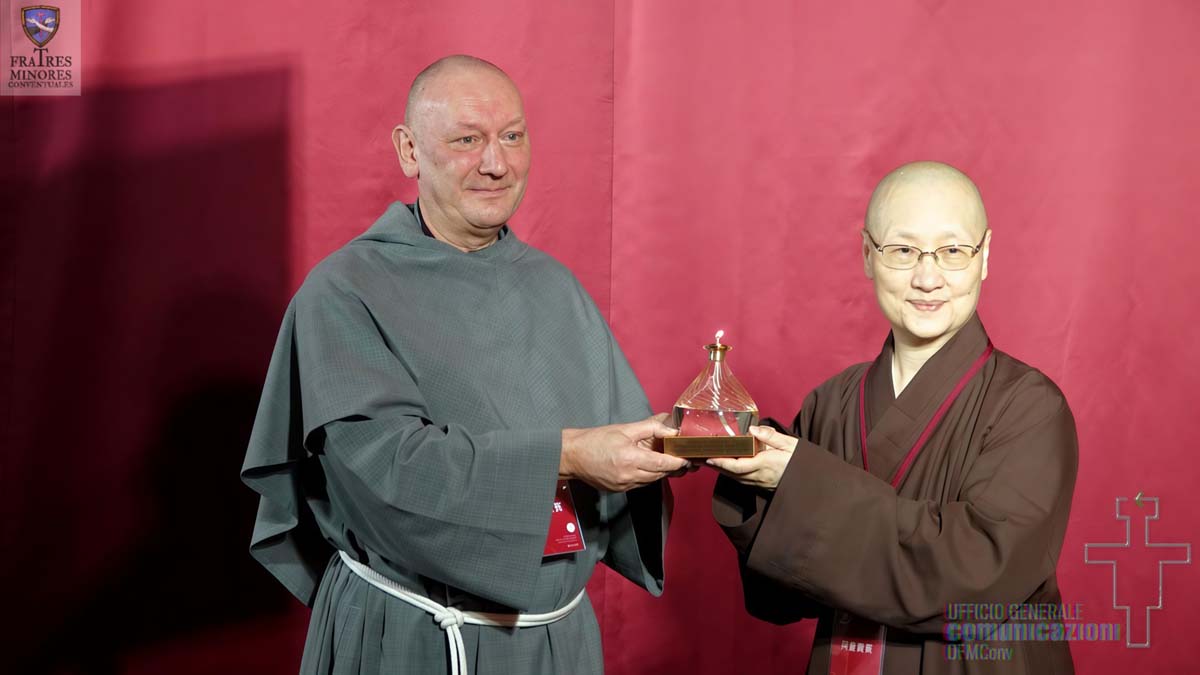
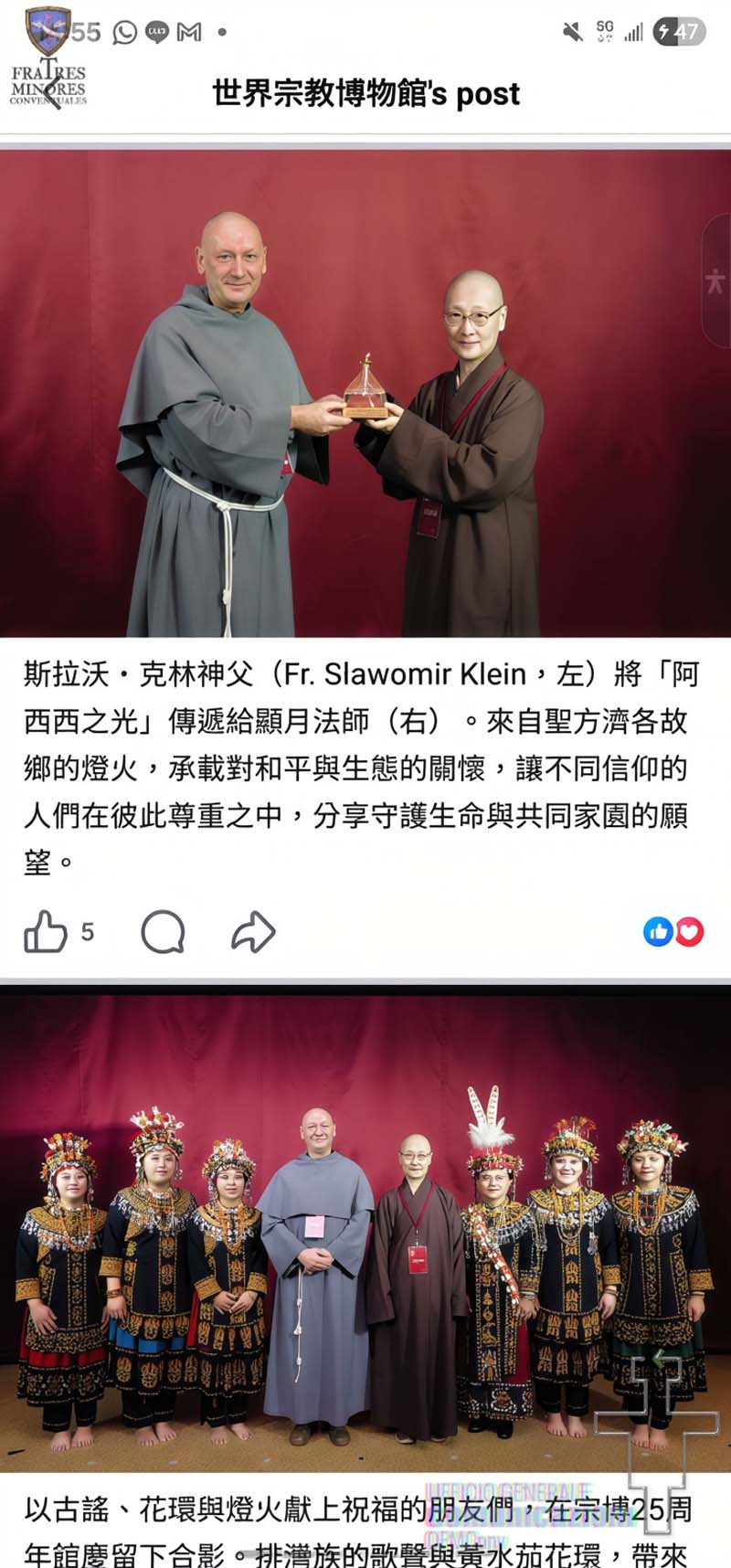
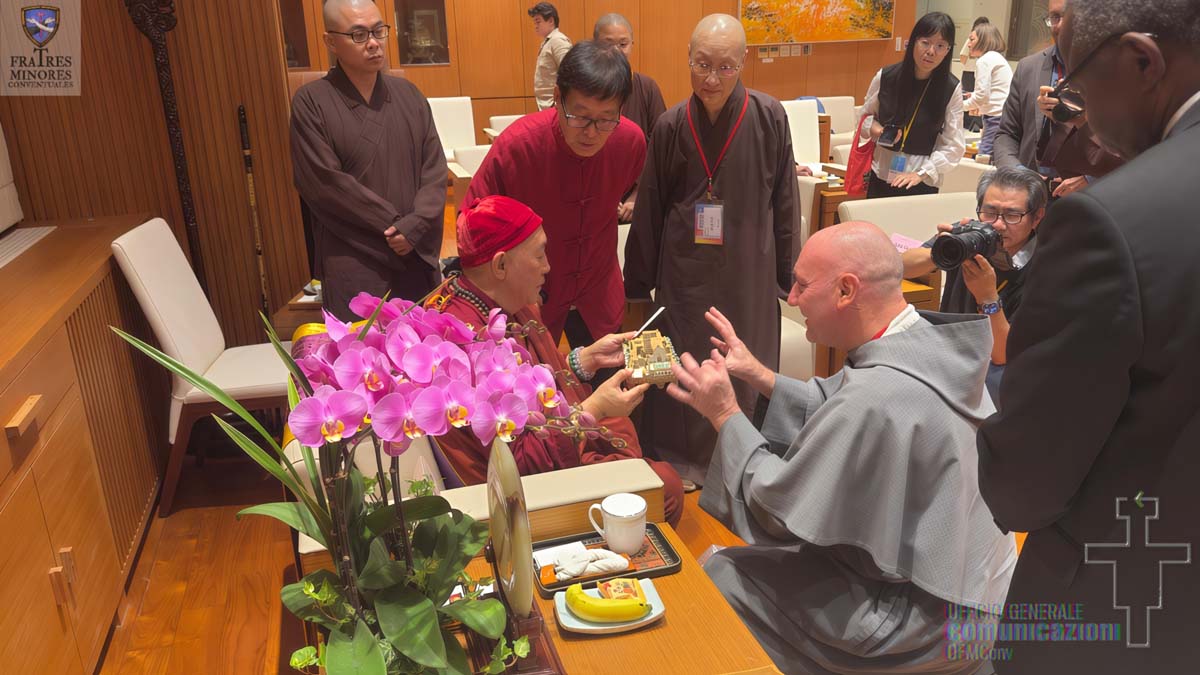
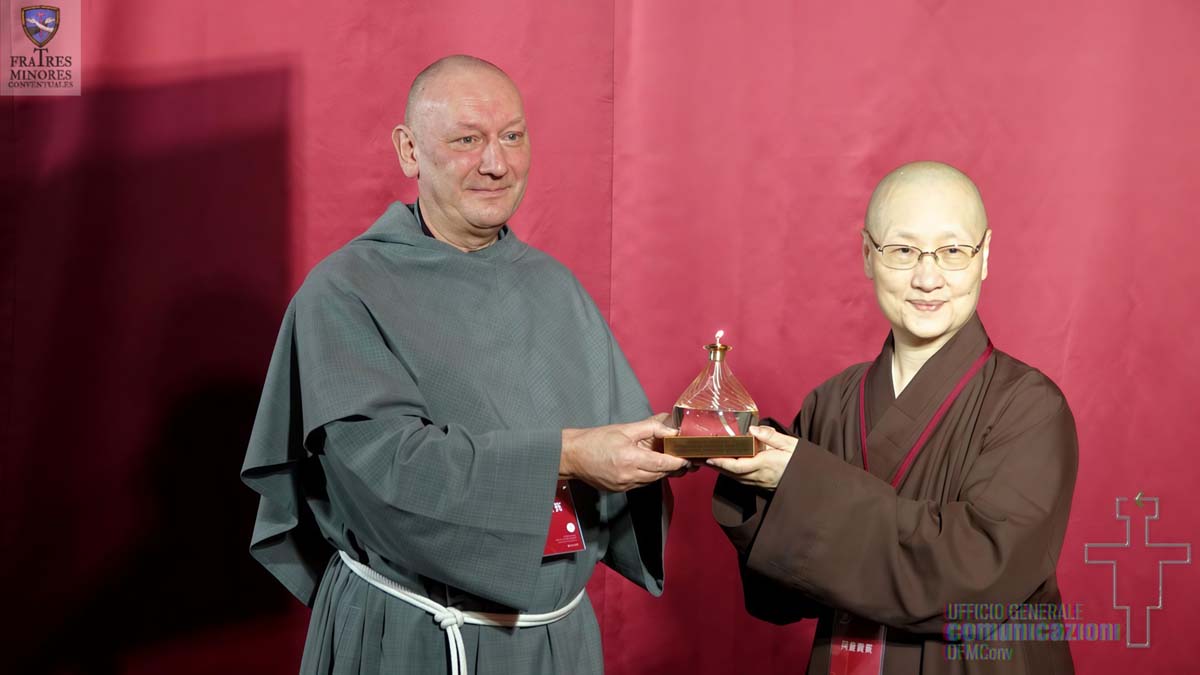
On the third day of the forum, November 9, we attended celebrations marking the 25th anniversary of the Museum of World Religions in Taipei. The museum was established on the initiative of Master Hsin Tao, whom we had the honor of meeting during an audience at the monastery. My personal encounters with Master Hsin Tao were a great blessing and a source of immense joy. During the official ceremony, attended by representatives of various religions and government agencies, I presented Sifu Xian-Yue SHIH with a Lamp of Assisi, symbolizing the Spirit of Assisi and the blessing of St. Francis. I also presented him with a congratulatory letter from the Minister General, Friar Carlos TROVARELLI. He received the gift with great respect and joy. A year earlier, a group of Buddhist nuns and monks had visited Assisi. This marked the beginning of our relationship and led to the invitation and the joy of continuing our spiritual collaboration.
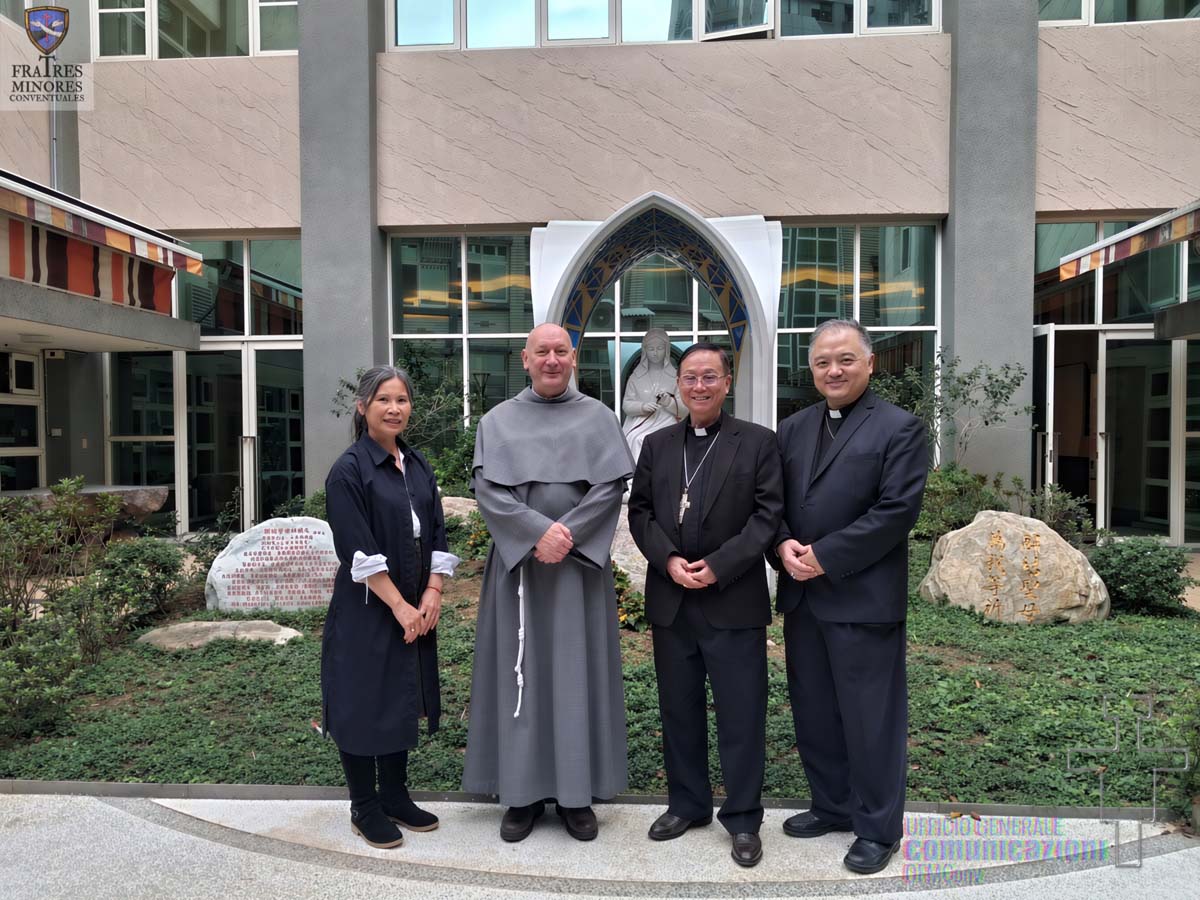
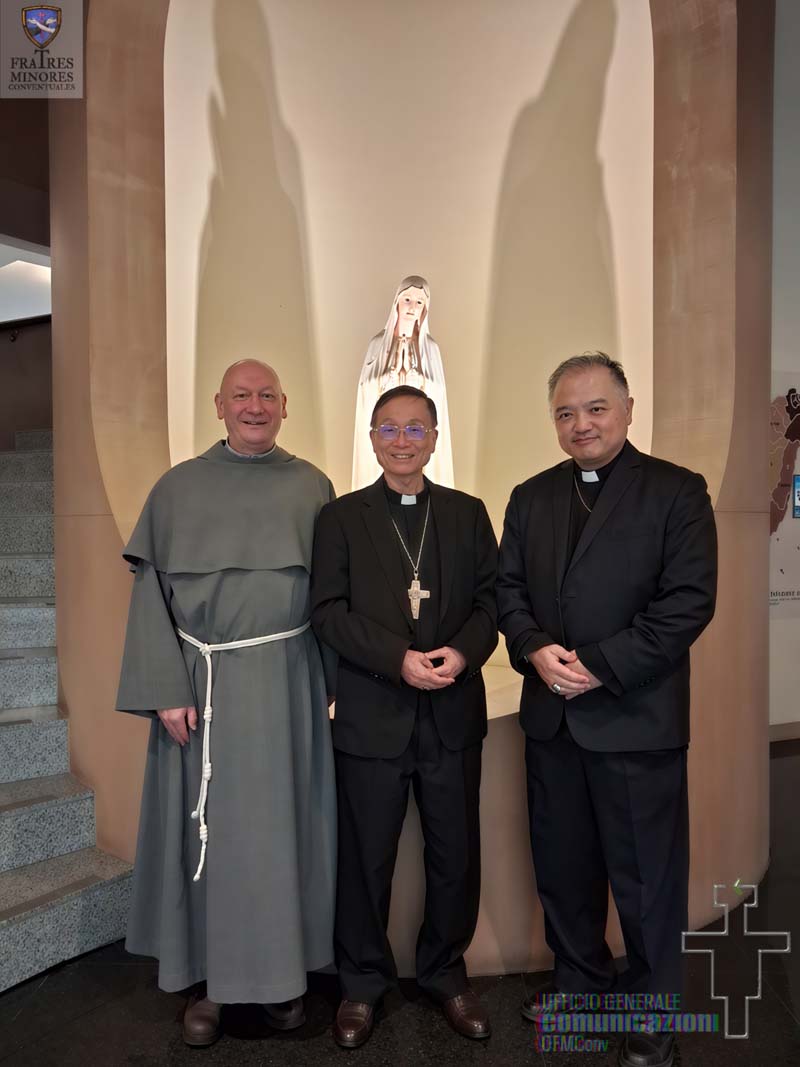
My final stop in Taiwan was a meeting with the Most Reverend Thomas (An-zu) CHUNG, Archbishop of Taipei. Together with the Most Reverend Peter (Yung-Chi) CHAO, Auxiliary Bishop of Taipei, we discussed the situation of the Church in Taiwan, the dynamics and importance of interreligious dialogue, and, of course, opportunities for mutual collaboration. These were more than polite expressions of goodwill. The Archbishop mentioned a specific person, Father Raphael LING, with whom we are already in contact.
My visit to Taiwan was a great challenge, a profound spiritual experience, and a source of joy. Chinese spirituality is not foreign to us Franciscans. I do not know whether you are aware of this, but the first Archbishop of Beijing was the Franciscan John of Montecorvino. Historical accounts also mention several other Franciscans: Arnold of Cologne, Andrew of Perugia, Gerard ALBUINI, Peregrine of Città di Castello, and, finally, Odoric of Pordenone.
The Spirit of Assisi continues to expand its reach, enabling us to rediscover our oft-forgotten Franciscan history and spirituality. It inspires new initiatives and ideas and, above all, makes us increasingly aware that interreligious dialogue today is not simply a “need of the moment” or a “trend” but a genuine challenge that calls us to discover and respond to the “signs of the times.”
Friar Sławomir KLEIN
General Delegate for Ecumenism and Interreligious Dialogue