



Project No. 32/2026 –
Replacement of the Cold Storage Units at the Soup Kitchen
of the St. Anthony of Padua House (Zagreb, Croatia)
The Province of St. Jerome in Croatia of the Order of Friars Minor Conventual has proposed Social-Charitable Project No. 32/2026, entitled: “Replacement of the Cold Storage Units at the Soup Kitchen of the St. Anthony of Padua House,” aimed at the complete renovation of the cold storage units and the refrigeration system at the Sveti Duh soup kitchen, located at the St. Anthony of Padua House in Zagreb.
Since 1995, the Sveti Duh Soup Kitchen has been an important center for social assistance and solidarity in the city of Zagreb. Through the collaborative effort of the friars, numerous volunteers, and private benefactors, the soup kitchen provides free meals every day to hundreds of people living in financial and social hardship, delivering an essential service to members of the community who are in most need.
In recent years, the demand for aid has steadily increased, making it even more important to maintain the continuity and quality of this service. Thus, the existing cold storage units and their refrigeration systems now require complete replacement. Years of wear and tear have caused frequent breakdowns, and the units can no longer guarantee reliable long-term service.
The project includes demolishing the existing cold storage units, installing three new units that comply with European Union standards, equipping them with a modern remote HACCP monitoring system, and carrying out the necessary construction and electrical work to ensure the proper functioning of the entire refrigeration system.
The completion of the project will ensure proper food preservation, full compliance with current health and hygiene regulations, and greater operational efficiency for the soup kitchen. At the same time, it will ensure the continuity of a service that provides practical, daily support to hundreds of people in need.
The project therefore aims to improve food safety, maintain the quality of the assistance provided, and ensure that the soup kitchen can continue to effectively carry out its charitable mission. The friars of the Province of St. Jerome in Croatia will continue to be directly involved in managing the soup kitchen and coordinating its assistance activities, continuing their service to the most vulnerable in accordance with the charism and mission of the Order.
Project Information
- Conventual Franciscan Jurisdiction: Province of St. Jerome in Croatia
- Country: Croatia
- Diocese: Zagreb
- Location: Zagreb
- Type of Project: Social-charitable project
- Date of Proposal: 2026
- Direct Project Coordinator:
-
- Friar Vilček NOVAČKI
- Email: novacki@gmail.com
- Total Project Cost: €60,554.38
- Expense Items:
- Demolition of the existing cold storage unit and installation of a new, large cold storage unit: €23,477.64
- Demolition of the existing cold storage unit and installation of a new medium-sized cold storage unit: €15,335.70
- Demolition of the existing cold storage unit and installation of a new small cold storage unit: €8,310.96
- HACCP remote monitoring system for the three cold storage units: €1,319.20
- VAT (25%): €12,110.88
- Local Contributions:
- €20,000.00 (from the Province)
- Contribution Requested:
- €40,554.38
Funding Status Update – September 2026
Project No. 32/2026 has been fully funded. The requested sum of €40,554.38 was donated by the Conventual Franciscan Province of St. Elizabeth in Germany, thereby fully covering the contribution required for the project’s implementation.
Projects Office
Final Report
The project to replace the cold storage units at the “Sveti Duh” soup kitchen of the St. Anthony of Padua House in Zagreb, Croatia, has been completed. The completion date indicated in the report is August 26, 2026, corresponding to the date of the invoice for the cold storage units. A contribution of €40,554.38, donated by the Conventual Franciscan Province of St. Elizabeth in Germany, was received on August 11, 2026.
The project completely renovated the cold storage units and the associated refrigeration system, ensuring more reliable conditions for storing food that will be used to prepare meals. For the soup kitchen staff, this means being able to work with greater peace of mind. For the people served, it means they can continue to count on a hot meal prepared with care.
Implementation of the Project
The old cold storage units and related equipment had been in service for more than thirty years and had deteriorated due to heavy use. The system was noisy, outdated, and increasingly prone to breakdowns. Repairs could only extend its operation temporarily, at rising costs and without providing sufficient assurance for the future.
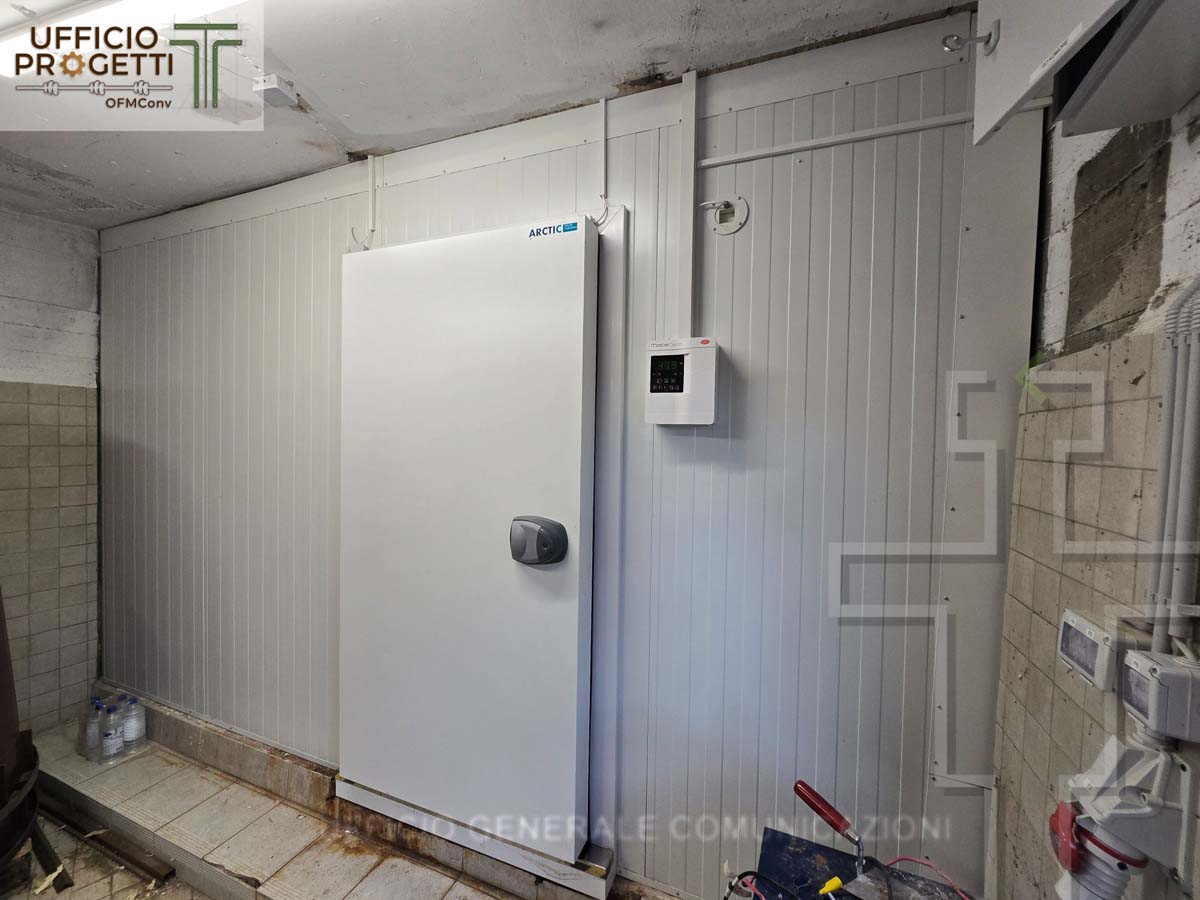
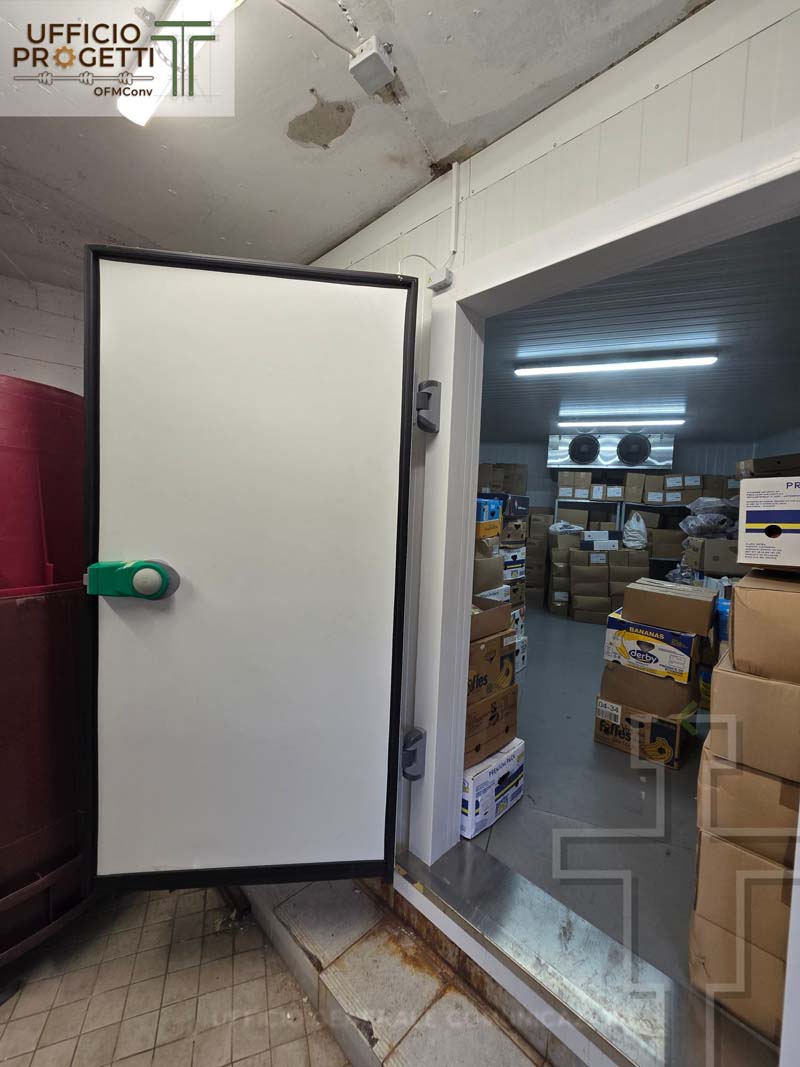
The old cold storage units were therefore dismantled, and the panels, refrigeration units, and other system components were removed. New insulation panels, structural elements, and refrigeration equipment were installed, thereby renewing the entire system.
The work was carried out by MB Frigo, a company in Croatia that specializes in this field. It dismantled the old equipment, installed the new equipment, and made it operational. The soup kitchen managers expressed their full satisfaction with the quality of the work and the results achieved.
The work proceeded without significant problems. Before installing the new equipment, however, the team had to upgrade the electrical systems and carry out some construction work to prepare and secure the spaces. These measures were essential for the proper functioning of the new cold storage units, and the soup kitchen funded them using its own resources. Several individuals contributed their expertise, labor, and time free of charge.
The photographs attached to this report document the initial condition of the cold storage units, the stages of disassembly and installation, and the final result.
Practical Support for Daily Operations
The soup kitchen currently prepares between 450 and 500 hot meals a day, six days a week. This activity requires the soup kitchen to receive, organize, and store large quantities of fresh and frozen food while keeping them at appropriate temperatures until the meals are prepared.
In addition to purchased food products, the soup kitchen regularly receives food donations from individuals, businesses, and other benefactors. Having reliable storage facilities allows the soup kitchen to accept and make better use of these donations, reducing the risk of losing food intended for people in need.
The new system facilitates inventory management and menu planning, reduces the risk of food spoilage, and supports continuity of service. The soup kitchen manager, warehouse staff, soup kitchen staff, and other employees involved in receiving, storing, and preparing the food also benefit from it.
Based on 500 meals per operating day, the service can provide approximately 3,000 meals per week, which equals about 156,000 meals per year over fifty-two weeks of operation and an average of 13,000 meals per month. This projection uses the upper end of the current daily range; it does not represent an actual annual count. Under the same conditions, the operation would correspond to approximately 780,000 meals over five years and 1,560,000 meals over ten years.
These figures help illustrate the scale of the investment: the new cold storage units support daily operations on which hundreds of people depend in order to receive a safe, hot meal.
Welcoming Everyone and Respecting Each Person’s Dignity
As a matter of deliberate policy, the soup kitchen does not keep a register of the people it serves. It therefore cannot provide an exact number of individual beneficiaries over the course of a year. The number of meals served is the most concrete indicator of the scope of the service, but it does not correspond to the number of people assisted, because many visit the soup kitchen regularly.
This approach reflects the desire to protect the dignity of those who ask for help. To receive a meal, people do not need to present identification, register on a list, or have a card. Anyone who comes to the kitchen is first and foremost welcomed as a person who, at that moment, needs practical assistance.
This policy is rooted in the soup kitchen’s Christian and Franciscan identity and in the Gospel’s invitation: “Give them some food yourselves.” The soup kitchen offers assistance without making any distinctions based on faith, nationality, origin, or ideological orientation. It seeks to recognize in every person the need for welcome, closeness, and nourishment.
The Experience of Those Who Work in the Soup Kitchen
The people who receive meals do not directly use the cold storage units and, in most cases, will not see the renovated facilities. The change, however, is immediately apparent to those responsible for storing food each day.
Friar Vilček NOVAČKI, OFM Conv., the soup kitchen’s manager, recalls that breakdowns in the old system had become almost weekly occurrences. Each breakdown brought renewed concerns about food temperatures, how long repairs would last, and what additional expenses the kitchen would have to face. Expenses continued to mount without resolving the fragility of a system that had reached the end of its useful life.
“For those of us who work in the soup kitchen every day, this isn’t just about new equipment. It means being able to accept the food people donate to us, store it properly, and know that it will be used to prepare meals for those who come to us. With the old cold storage units, we lived with almost constant breakdowns and ongoing uncertainty; today, we can organize our daily work with much greater peace of mind. That is why we are especially grateful to all the benefactors who made this project possible,” said Friar Vilček NOVAČKI, the manager of the soup kitchen.
Mijo SVETEC, a warehouse worker at the soup kitchen for nearly twenty years, had witnessed the gradual deterioration of the old cold storage units. Breakdowns over the weekend were particularly concerning because no one was there to immediately discover them. When staff returned to work, they would find the system shut down and the meat already beginning to thaw, putting purchased and donated food intended for meal preparation at risk.
“I’ve been working in the soup kitchen for nearly twenty years,” said Mr. SVETEC, “and I was well aware of the condition of the old freezers, especially in recent years. I was constantly worried about when the next breakdown would occur and whether we’d be able to discover it in time. The worst situation was when a freezer would stop working over the weekend and we wouldn’t discover it until we returned to work. Being responsible for all that food was a major concern. Today it’s completely different: we have new cold storage units and can count on much safer storage. For me, as a warehouse worker at the soup kitchen, it’s a huge change and a great relief.”
These testimonials show just how much the project has improved working conditions. The staff now has new equipment, covered by warranty, and can organize their work without the constant uncertainty caused by the old systems. The greater peace of mind of those who store and prepare food translates into greater food safety for the meals being served.
Financial Report
The invoices for the cold storage units and refrigeration system document a total of €60,554.38, corresponding to the amount specified in the original project. The funding is broken down as follows:
- Conventual Franciscan Province of St. Elizabeth in Germany: €40,554.38.
- Conventual Franciscan Province of St. Jerome in Croatia: €20,000.00.
The invoice also includes the HACCP remote monitoring system, which was included in the estimate for the three cold storage units at a cost of €1,319.20.
In addition to the invoiced amount, the soup kitchen used its own resources for preliminary work on the electrical systems and for preparing the spaces, as well as for labor provided free of charge. The total value of the project therefore exceeds €60,554.38, although the report does not separately quantify these additional contributions.
Attached to the final report are the invoices and related financial documentation, along with photographs documenting the various phases of the work.
The support received resolved a difficulty that had been hindering the operations of the soup kitchen for years. The managers and staff are grateful to everyone who contributed financial resources, expertise, and labor, making the daily service that the soup kitchen provides to people in need safer and more secure.
Projects Office