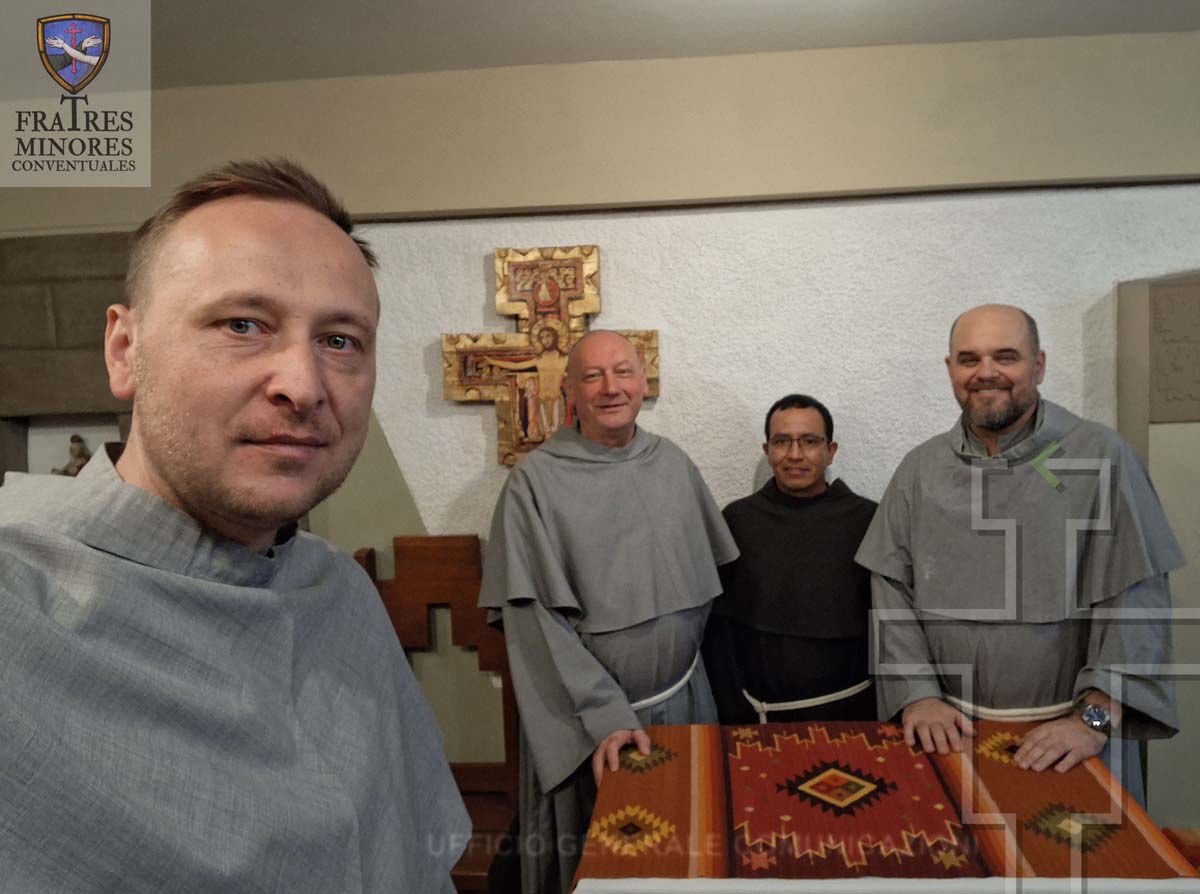




On August 5, 2026, I arrived in Lima, Peru, where I was warmly welcomed by my confreres serving at Nuestra Señora de la Piedad Church: Friars Lucjan SZCZEPAŃSKI, Piotr HRYMA, and Fredi Martin FRIAS HERRERA. On the night of August 7, I left Lima with a group of parishioners headed for the town of Pariacoto, Peru.
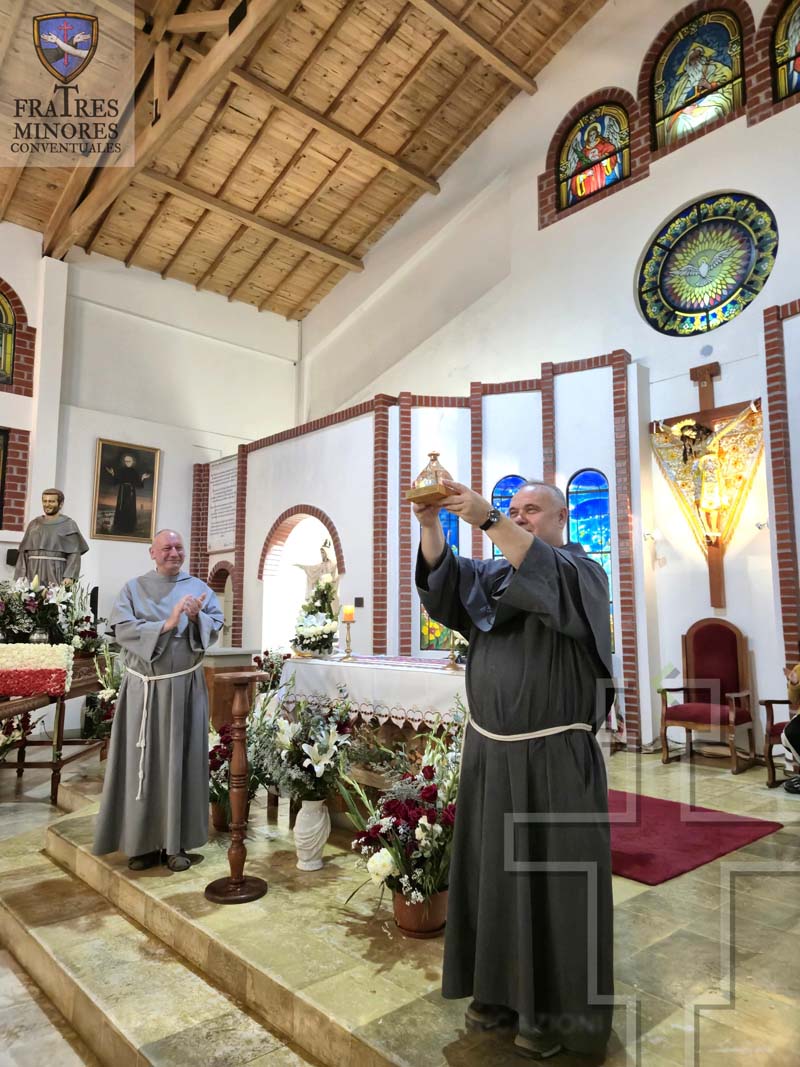
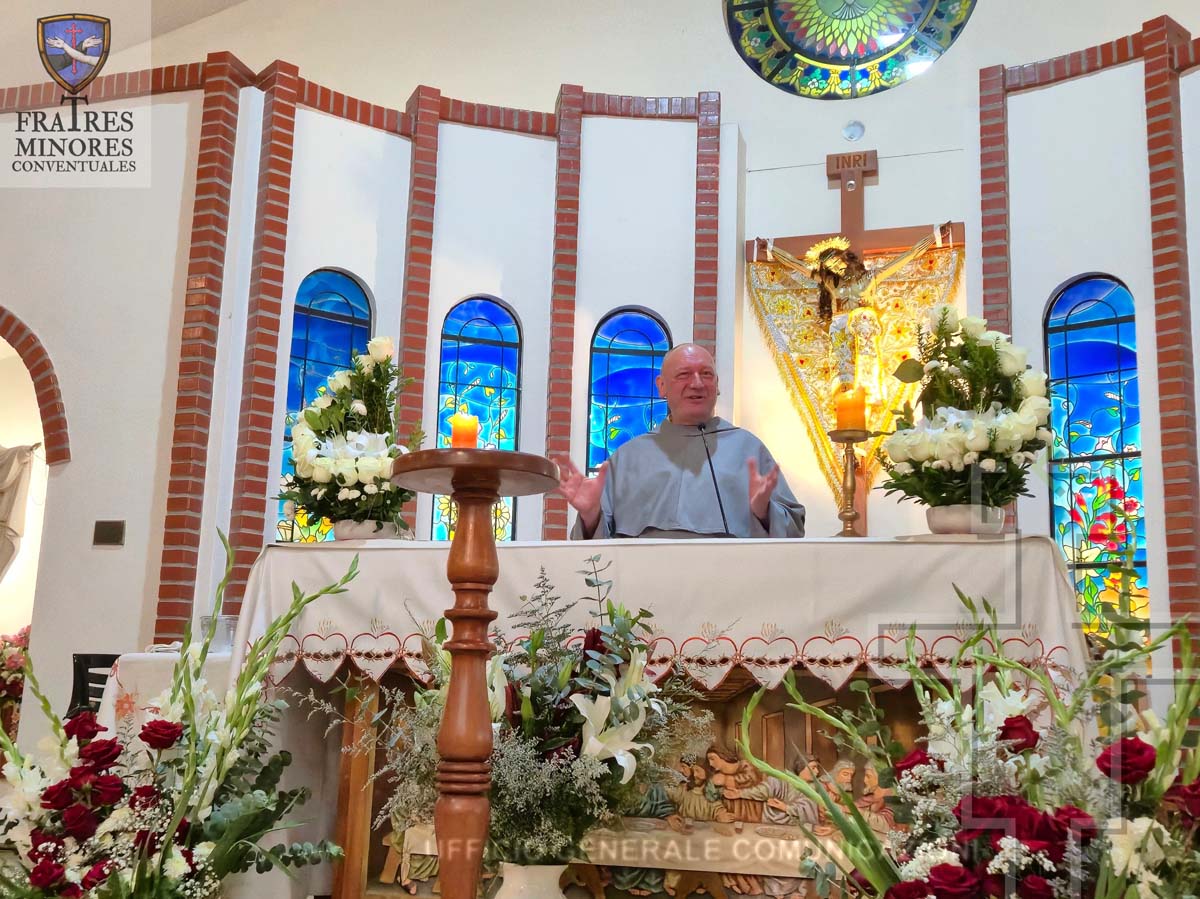
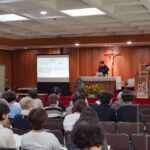
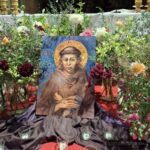
It was there, on August 9, 1991, that Shining Path terrorists killed two of our confreres, Friars Michał TOMASZEK and Zbigniew STRZAŁKOWSKI. Thus, on the eve of the anniversary of their martyrdom, the Spirit of Assisi prayer was recited in the local church. At that time, I presented the “Light of Assisi” Lamp to the Guardian of the local friary, Friar Jacek LISOWSKI. I also gave a presentation on the Spirit of Assisi.
Some may ask, “What does interreligious dialogue have to do with terrorism?” The answer is: a great deal. First, we must recognize that more than 380 million Christians around the world are persecuted today—not just Catholics. These are the figures reported in this year’s Global Persecution Index (GPI), published by International Christian Concern (ICC), which analyzes the persecution of Christians in more than twenty countries. The report shows that persecution is no longer solely the work of isolated terrorist groups. Today, it results from a combination of factors, including religious nationalism, authoritarianism, Islamist terrorism, and state control over religious organizations.
These statistics provoke indignation among many Christians and sometimes even hatred toward other religions and denominations. Inevitably, this negatively affects how they view interreligious dialogue. A concrete form of “dialogue,” then, can be prayer for those who persecute and kill, in accordance with Jesus’ words: “But I say to you, love your enemies, and pray for those who persecute you” (Mt 5:44). It is important to remind all Christians that we cannot hate, seek revenge, or kill in the name of religion.
It may seem somewhat paradoxical, but many representatives of other religions—for example, some Muslim leaders—share in the suffering of Christians and stand in solidarity with them because they do not accept what we call religious fundamentalism, including Islamic fundamentalism. It is precisely these people who are particularly open to interreligious dialogue.
The topic of being martyred for the faith also has an ecumenical dimension because among the martyrs there are also non-Catholic Christians. A well-known example is the Martyrs of Uganda, namely the twenty-two Catholics and twenty-three Anglicans who were killed in Uganda in the nineteenth century. Another example is Dietrich BONHOEFFER, a Lutheran pastor whom the Nazis killed at the Flossenbürg concentration camp. Just as we regard St. Maximilian KOLBE, Lutherans regard Dietrich BONHOEFFER. Another figure is Martin Luther KING, a Baptist pastor assassinated in 1968 because of his commitment to civil rights.
There are many examples that can help us understand the relationship between terrorism, fanaticism, and interreligious dialogue and, as Catholics, adopt an appropriate attitude toward the persecution of Christians in the contemporary world.
This is precisely what the Prayer of the Spirit of Assisi meant: to commemorate Blessed Michał, Blessed Zbigniew, and Blessed Father Alessandro DORDI, their mission, and their martyrdom, while seeking reconciliation with God, with ourselves, and with others.
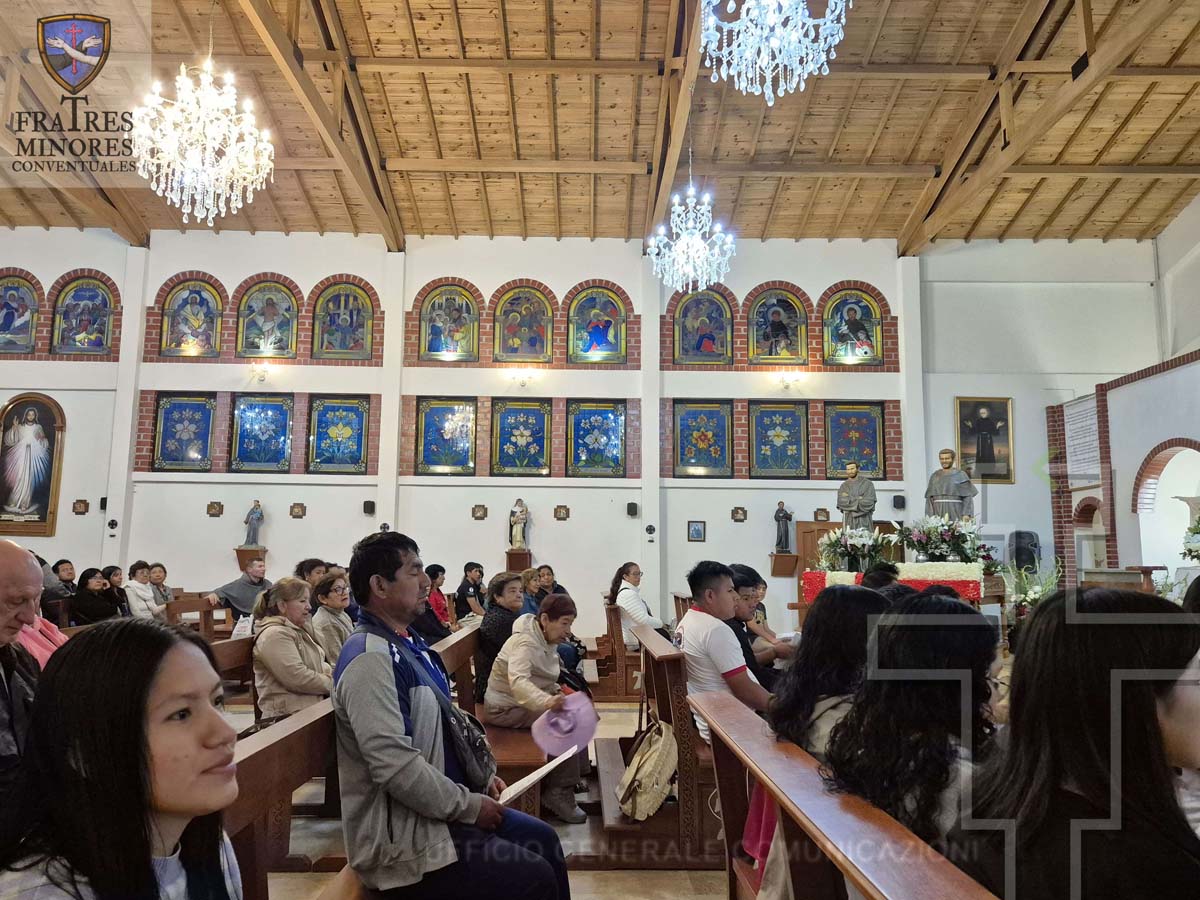
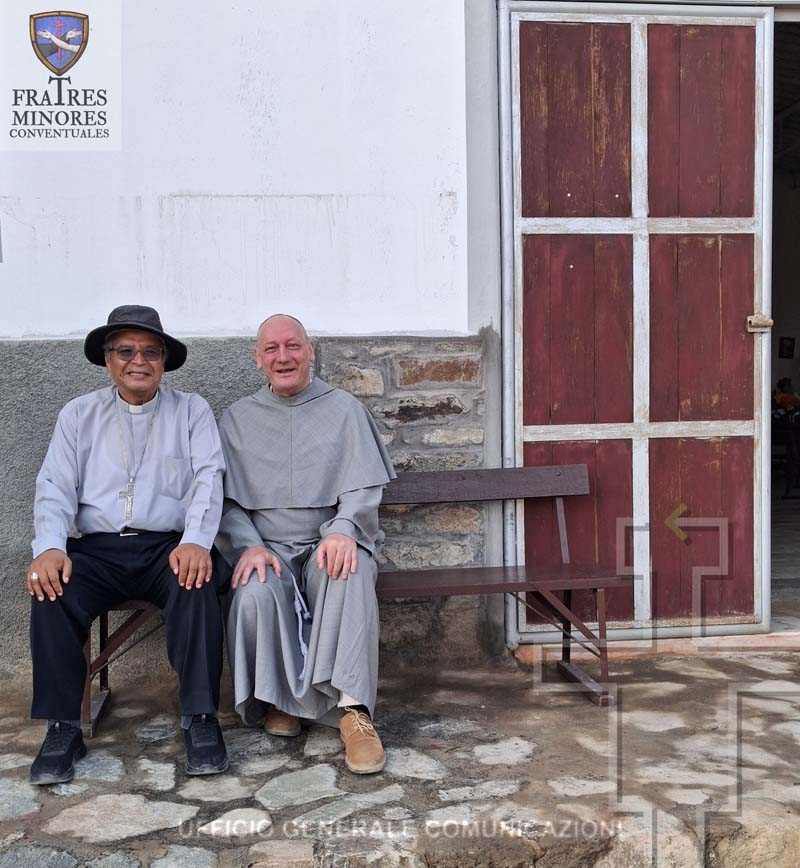
The recitation of the prayer was preceded by a processional Stations of the Cross, which was conducted from the church to the place where our confreres were killed. The Most Reverend Ángel Ernesto ZAPATA BANCES, Bishop of Chimbote, Peru, also took part and presided over the Mass celebrated in front of the chapel. In the evening, the “Light of Assisi” prayer service took place in the church. I was very impressed by the turnout, especially considering that the entire liturgical program lasted more than seven hours.
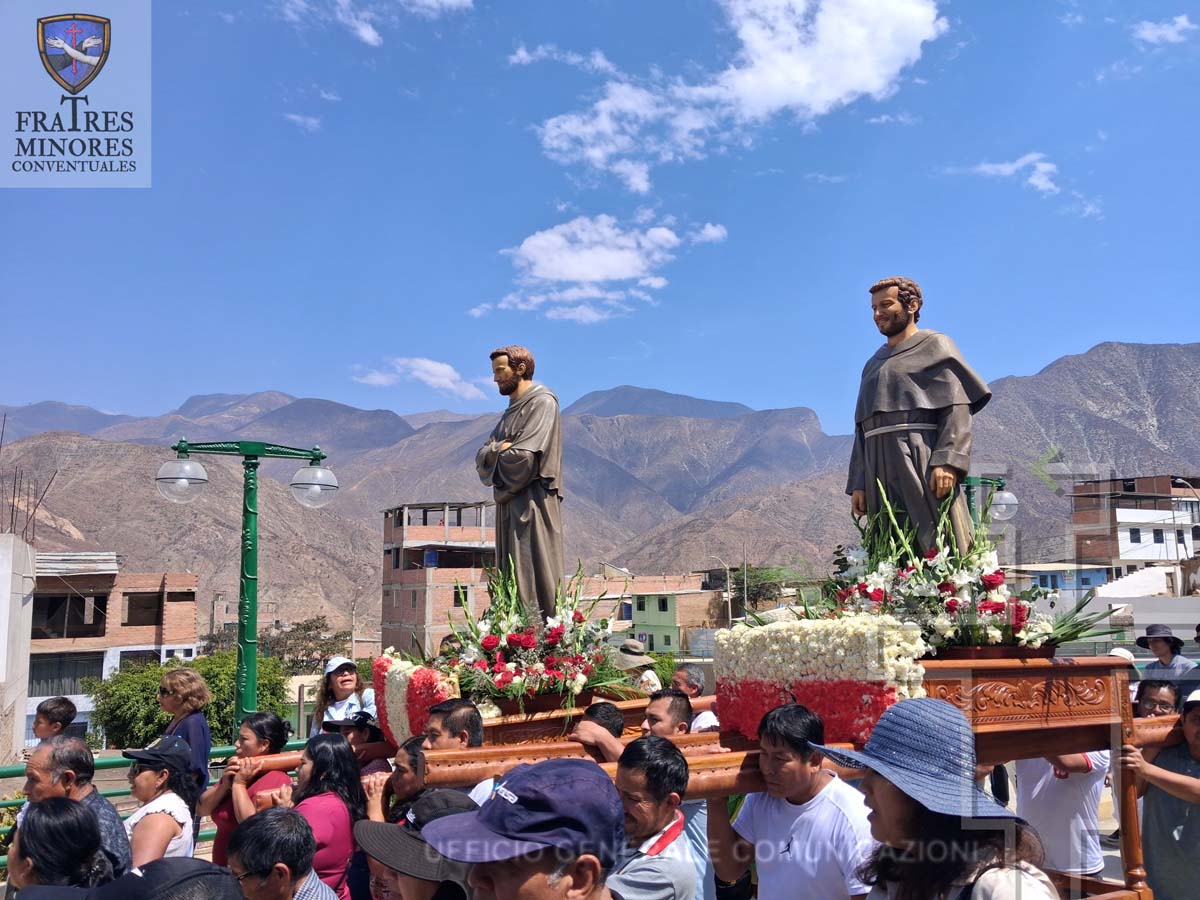
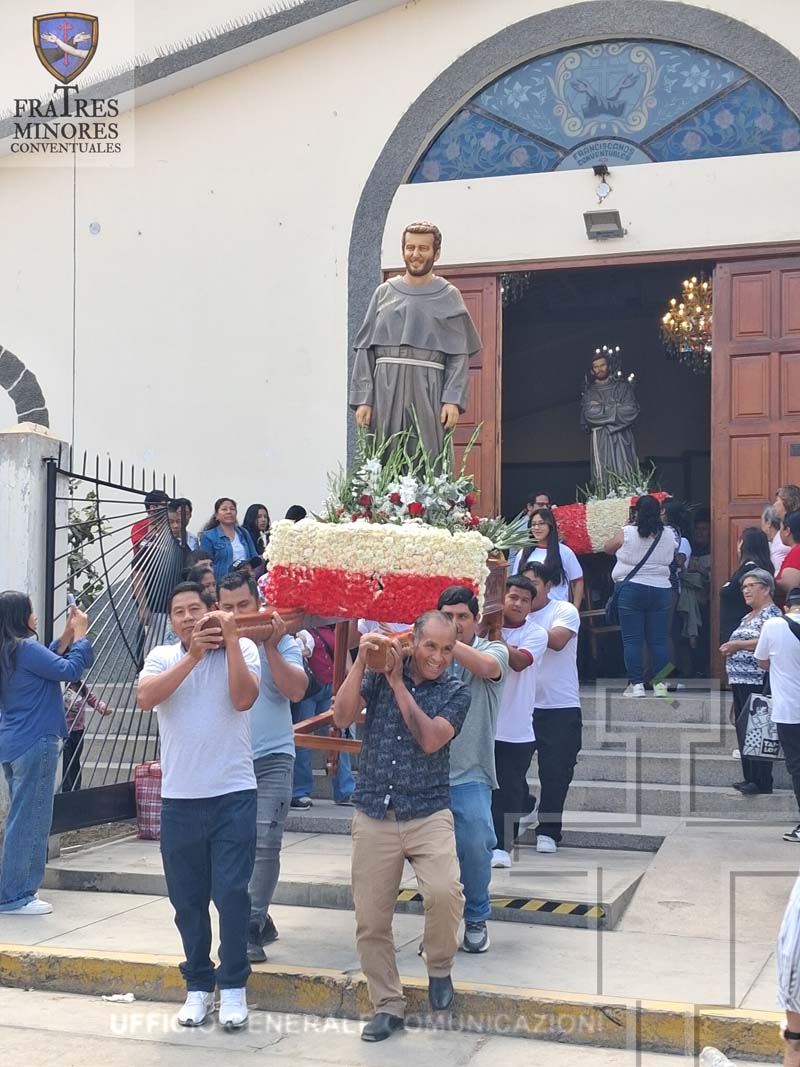
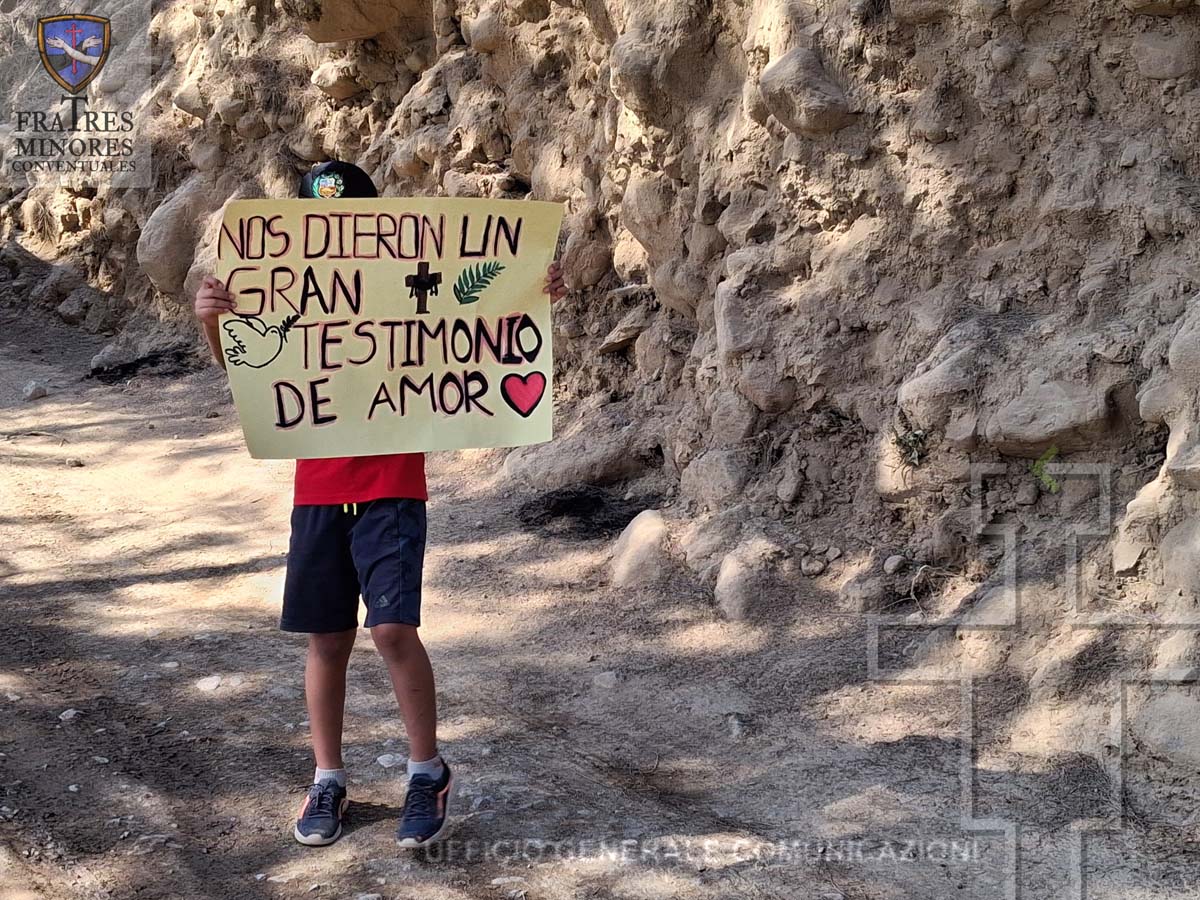
On Sunday, August 9, the principal celebrations commemorating Blessed Michał and Blessed Zbigniew took place. The program included Mass, a procession carrying statues of the two blessed friars around the church plaza, and the Stations of the Cross. Several confreres from Trujillo, Peru, also attended.
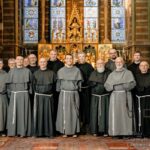
I would like to thank the members of the community in Pariacoto for welcoming me to the friary and for their beautiful pastoral witness. They are: Friars Jacek LISOWSKI (Guardian), Bogdan PŁAWECKI, Andre LIMA (a clerical student from Brazil), and Tadeusz POBIEDZIŃSKI, who joined the community later.
Above all, I would like to thank everyone who helped organize the “Light of Assisi” prayer service, in which young people played a particularly active role. It also provided an opportunity to offer catechesis on the sacraments and to emphasize how important the witness of faith and dialogue with others is today. Having dialogue with people whose opinions, religious convictions, and worldviews differ from our own requires a conscious and mature Christian and Catholic identity. This identity must be cultivated and deepened and must be translated into active involvement in the pastoral ministry that the friars carry out.
“Show me how you believe, and I will tell you who you are.” This is one of the principles of witness and dialogue!
Friar Sławomir KLEIN, General Delegate for Ecumenism and Interreligious Dialogue (EDI)